our Twitter (X) feedView our Youtube channelView our Instagram feedView our Substack feedView our Spotify feed What a red rose reveals about the hidden forces shaping your Perception Box Dr. Lisa Feldman Barrett is among the top 1% most-cited scientists in the world, having published over 250 peer-reviewed scientific papers.Dr. Barrett is a University Distinguished Professor of psychology at[…] Dr.
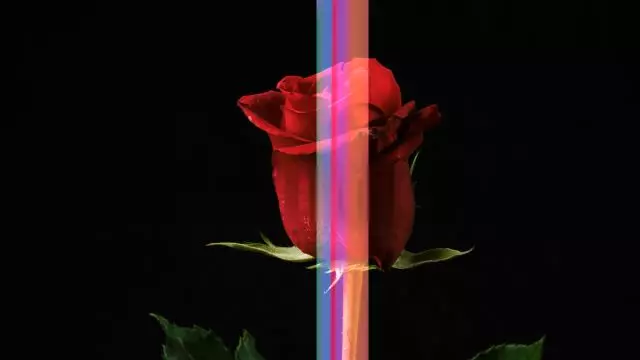
Barrett is a University Distinguished Professor of psychology at[…] How curiosity can expand your Perception Box — and your awareness According to Lisa Feldman Barrett, PhD, a University Distinguished Professor of Psychology at Northeastern University, it’s not that simple. While the flower may appear obviously red, the color isn’t an inherent property of the flower itself. Instead, it’s relational, meaning it emerges from the relationship between light, receptors in the eye, and signals processed in the brain.
So, if something as basic as color depends on the relationship between the world and the person perceiving it, what about the rest of reality? This thought exercise reveals how each of us contributes to our reality, Barrett says, and how we have more control — more responsibility — than we might think. Barrett uses animals to break down the concept.
Humans typically have three types of color receptors, or cones, in the retina, while dogs have only two. Because of this, we may see a rose as red while a dog sees it as muddy brown. We might assume the dog simply can’t see the rose’s “true” red color.
We similarly describe humans who may be missing a type of cone and see color differently as “colorblind.” But what if humans typically had four types of cones instead of three? Would the rose objectively be another color, making those of us with three types of cones colorblind? Barrett says even the most basic aspects of what we take to be objective reality are rooted in the relationship between what is out in the world and what is inside us.
Together, they create patterns we experience as reality. The same idea also applies to emotions, such as anger, that we often believe to be objective. Barrett says the so-called universal expressions of emotion are really stereotypes.
Extract — continue reading at the source.