Republicans spent two years running, or at the very least staffing, Washington. On Tuesday, voters gave them a brutal performance review. Democrats seized both chambers of Congress, flipped at least seven Senate seats and won House districts the GOP carried comfortably in 2024.
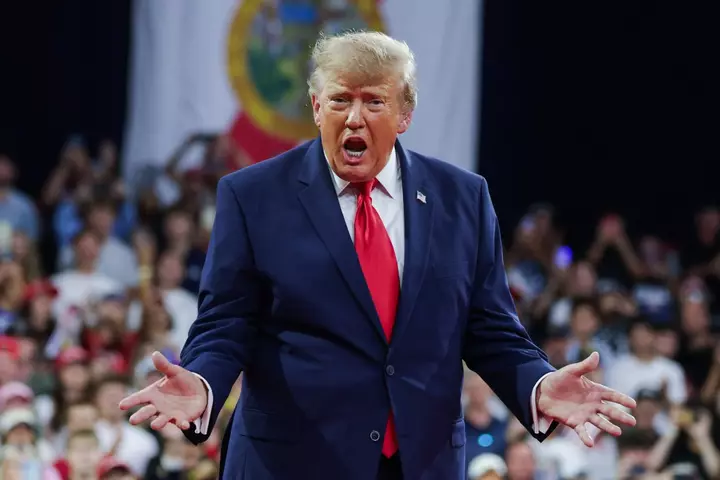
The scale of the defeat leaves Republicans with plenty of uncomfortable questions to ask themselves. Trump insists the results don’t amount to a referendum on him, despite telling voters to pretend he was on the ballot. But Republican lawmakers licking their wounds can’t lay the blame solely at his feet; they presided over the least productive Congress in recent memory and continued backing his policies even as public opinion tanked.
Were they too afraid of being cast out of the MAGA fold to challenge him, or had they already surrendered their principles to the movement? In any case, a serious reckoning with the party’s policies, priorities and political identity is required to bounce back. Here are five hard truths Republicans can no longer afford to ignore.
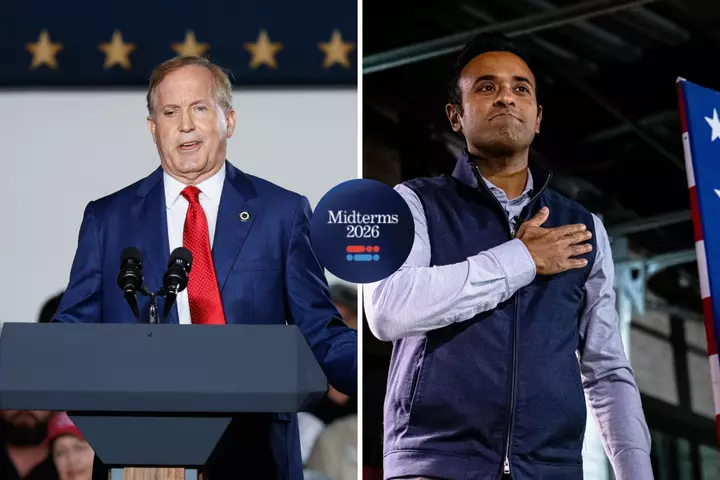
In Texas, Trump backed state Attorney General Ken Paxton over incumbent Senator John Cornyn, whom many Republicans considered a safer bet for the midterms. Paxton won the nomination, then lost the reddest of red states to Democrat James Talarico. In North Carolina, Senator Thom Tillis retired after clashing with Trump, whose preferred replacement Michael Whatley lost to Democrat Roy Cooper.
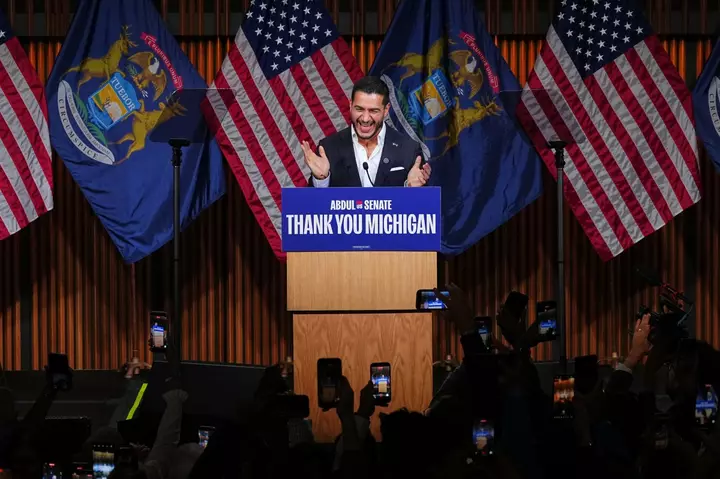
Trump’s favored candidate also lost long-scarlet South Carolina, and Michigan pick Mike Rogers was decidedly beaten by Abdul El-Sayed, object of Trumpian vitriol and now the first-ever Muslim Senator-elect. Perhaps those races would’ve been run the same regardless; public opinion polls were damning for the GOP across the board and a destructive swing looked inevitable. But those defeats do a good job of illustrating the danger of allowing one man’s preferences to shape so many consequential nominations.
Trump also spent the campaign asking Americans to pretend he was on the ballot; a bold move, considering roughly four in 10 midterm voters wanted to express their opposition to him, compared with fewer than two in 10 who wanted to express support, according to the AP Voter Poll. Six in 10 voters also said they disapproved of Trump’s presidency. Despite a play to make the midterms a personal referendum, Trump insisted on Tuesday that he didn’t consider the results a personal rejection.
Extract — continue reading at the source.