Few things in television possess the intoxicating gravity of a masterfully crafted mystery series. The Killing expands a single tragedy into a sprawling multiple-season-long portrait of grief and political corruption, while Mare of Easttown scrapes back the veneer of a small-town homicide to expose the generational wounds festering beneath. Such greats as The Outsider and, more recently, Lanterns subvert the genre entirely by anchoring their investigations in procedural grit before letting supernatural elements bleed into the frame.
The finest of these shows care far less about the mechanical puzzle of who committed the crime than the psychological debris left in its wake. Atmospheric, slow-burning, and ruthlessly character-driven, these are the types of shows that let their central mysteries become so thoroughly tangled in the lives of their detectives that the line between investigator and case completely dissolves. If that brand of brooding noir is your television drug of choice, Netflix harbors a Finnish gem that demands attention.
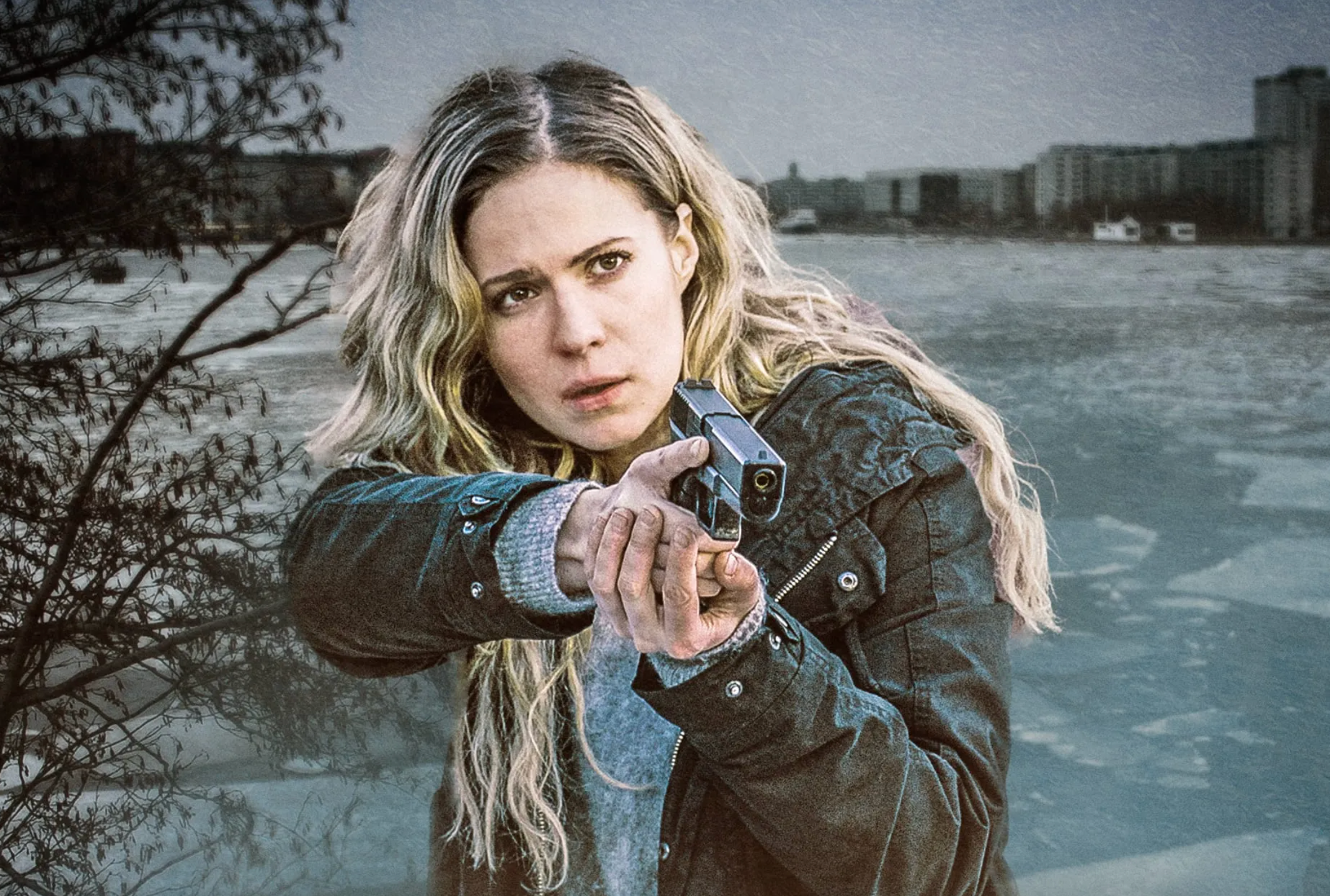
Deadwind (not to be confused with HBO’s Deadwood) is a methodical and emotionally charged mystery series that stands shoulder-to-shoulder with the genre's best. Set against the cold and barren landscape of Helsinki, the three-season anthology series, created and directed by Rike Jokela, is like watching better versions of Tomas Alfredson’s The Snowman and True Detective: Night Country, but time is rapidly running out to see it. The Nordic noir is slated to vanish from Netflix on Oct. 29, making now the best time to dive into its icy depths before the series disappears for good.
At the center of Deadwinds is Sofia Karppi (Pihla Viitala), a homicide detective who hurls herself back onto the force following the devastating loss of her husband. Left to raise two children while suppressing her unravelling grief, Karppi is no sooner plunged into a high-stakes case than Anna Bergdahl (Pamela Tola), a woman tied to a powerful corporate firm, is found buried at a coastal development site. Compounding her isolation, Karppi is saddled with Sakari Nurmi (Lauri Tilkanen), an inexperienced transfer from the financial crimes unit whose polished demeanor clashes with Karppi’s obsessive instincts.
Trading cheap procedural tropes for stark interior friction, the series relies on this suffocating slow-burn tension, allowing their prickly distrust to gradually thaw into one of the genre’s most compelling partnerships. Akin to The Killing, Sharp Objects, and Mare of Easttown, the central mystery of Deadwind begins as a seemingly isolated homicide that rapidly spirals into a labyrinthine web of systemic rot. In season 1, Anna’s murder collides directly with Tempo, an ambitious clean-energy company spearheading a controversial eco-development project, transforming a personal tragedy into a murky conspiracy involving corporate espionage and toxic family secrets.
Rather than relying on simple whodunits, each season anchors itself in a sprawling new mystery. Season 2 expands into cross-border drug trafficking and harbor slayings tied to a Helsinki-Tallinn tunnel project, while Season 3 shifts into a sinister biopharmaceutical thriller that collides with Karppi’s own unresolved past. For genre purists, this is Nordic noir at its absolute finest, a show where a single body is merely the first loose thread, one that unravels an entire ecosystem of wealth, power, and desperate people with more than a few skeletons in their closets.
Extract — continue reading at the source.