María del Carmen Abascal had lived in the same apartment in Madrid’s Retiro neighborhood since 1956, when her father first rented it. In 2018, an investment fund bought the apartment and moved to end her rent-controlled lease. She had been paying about €500 ($560) a month.
The fund asked for €2,650, then €1,650, which was still more than the 87-year-old’s pension of around €1,350. On September 23, Abascal was carried out of her home on a stretcher while supporters outside chanted: "Maricarmen, you are not alone." On September 26, tens of thousands of protesters marched in Madrid. On October 5, Prime Minister Pedro Sánchez called a snap election for November 29 after emergency housing measures were rejected in parliament, and within hours tens of thousands were marching in Barcelona too.
Maricarmen had changed her country’s history. In France, a protest over unfilled teaching posts at the Saint-Exupéry high school in Créteil, outside Paris, began in mid-September and has spread across the country. By October, around a third of French high schools had been affected, with pupils protesting vacancies, overcrowding and dilapidated buildings.
The same day as the Madrid march, on September 26, the DGB trade-union federation in Germany said about 175,000 people had demonstrated in 15 cities against proposed changes affecting pensions, working hours and health care. America is approaching the November 3 midterms amid its own argument about affordability, public services, immigration and the size of the state. In one poll, the cost of housing overtook food prices as the top political issue for young Americans.
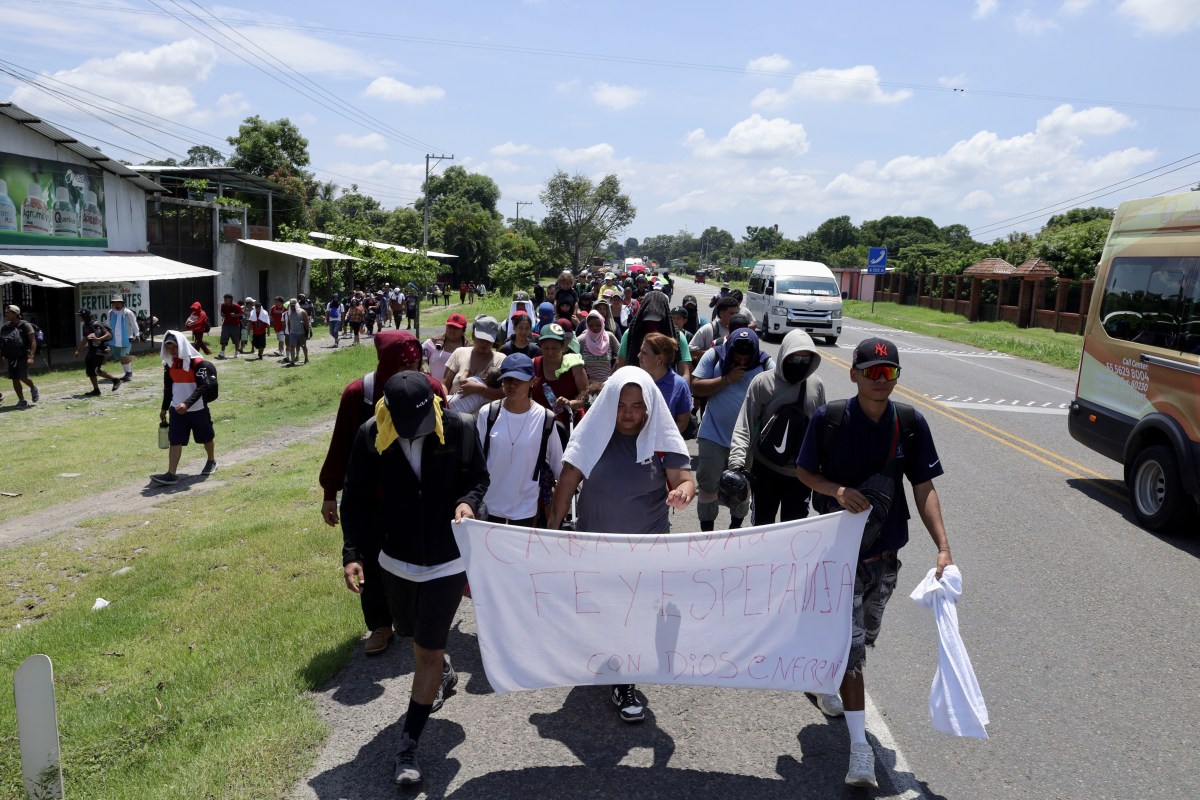
To Americans accustomed to hearing Europe invoked either as a destination or a warning, the protests and riots offer a glimpse of what happens when generous promises meet housing shortages, aging populations and too few workers. For the left, the European bargain is being broken. Spanish tenants want more safeguards, French pupils began protesting because schools lacked teachers, and German unions say workers are being asked to wave goodbye to social protections they have already earned.
"A strong economy is not created by dismantling social security and further increasing the burden on workers," DGB chief Yasmin Fahimi told a rally in Essen. "It is created by investment, by innovation, by good work and by good wages." The right sees governments trying to regulate their way around shortages they have failed to solve. Spain’s center-right Partido Popular is calling for a change.
Extract — continue reading at the source.