For more than six decades, evolutionary biologists have debated whether an unusual genetic system shared by ants, bees and wasps helped drive one of nature's most sophisticated forms of social organization: eusociality. In eusocial colonies, reproduction is divided between queens and workers, creating highly cooperative societies with specialized roles. New research from Arizona State University now suggests that genetics alone may not explain how these complex societies evolved.
Published in Current Biology, the study found that eusociality does seem to arise more often among insects with a haplodiploid genetic system. However, nearly all of that pattern can be traced to one particular group: the aculeate Hymenoptera, which includes stinging wasps, bees and ants. When insects are considered more broadly, haplodiploidy alone does not reliably predict whether eusociality will evolve.
The results suggest that the repeated emergence of complex insect societies may depend more on biological traits specific to certain evolutionary groups than on the way chromosomes are inherited. "People have been discussing this hypothesis for about 60 years," said Sachin Suresh, a PhD student in the School of Life Sciences at Arizona State University and lead author of the study. "There were many theoretical predictions, but formal comparative tests across insects have been surprisingly rare." Eusociality is considered one of the most advanced forms of social organization in the natural world.
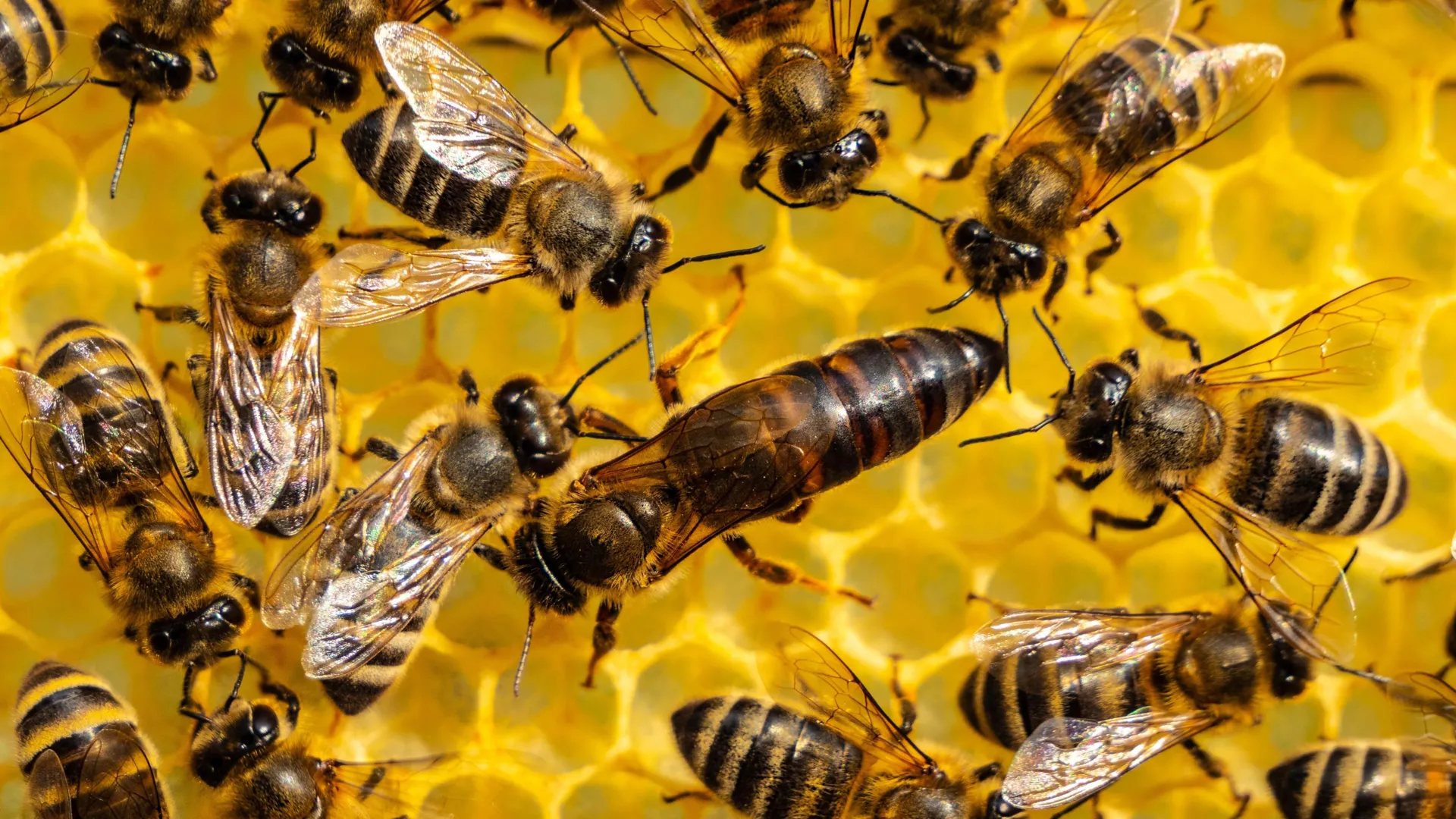
Species that live this way form colonies containing overlapping generations, cooperate in raising young and divide reproductive responsibilities. Only one individual or a small number of individuals reproduce, while the others serve as workers. All ants are eusocial, along with honey bees and some wasps.
By contrast, eusociality has appeared only rarely in other insect groups, including termites, thrips, aphids and a small number of beetles. For many years, scientists have focused on haplodiploidy as a possible explanation for why this lifestyle evolved so often in ants, bees and wasps. Under this genetic system, females develop from fertilized eggs and possess two sets of chromosomes, while males develop from unfertilized eggs and have only one set.
This arrangement can make sisters more closely related to one another than they are to their own offspring. Evolutionary theory therefore proposed that females might sometimes gain a greater evolutionary advantage by helping raise their sisters than by producing offspring of their own. The idea became highly influential in evolutionary biology and eventually appeared widely in biology textbooks.
Extract — continue reading at the source.