Scientists have uncovered a promising new way to protect some of the world's most important food crops from a destructive fungus that threatens global food security. By engineering the natural immune defenses of plants, researchers have developed an experimental approach that could eventually help wheat, rice, and barley resist fungal infections more effectively. The international research team, led by scientists at the John Innes Centre in the United Kingdom, investigated a recently discovered group of plant immune receptors.
They identified how these proteins recognize invading pathogens and demonstrated that they can be modified to detect multiple fungal threats. The findings could open the door to crops with stronger, more durable disease resistance. "We've discovered something that could lead to a potential intervention on what is the worst fungal disease of cereals," said Professor Mark Banfield, a research group leader at the John Innes Centre and an author of the study, which involved collaborators at Kobe University in Japan.
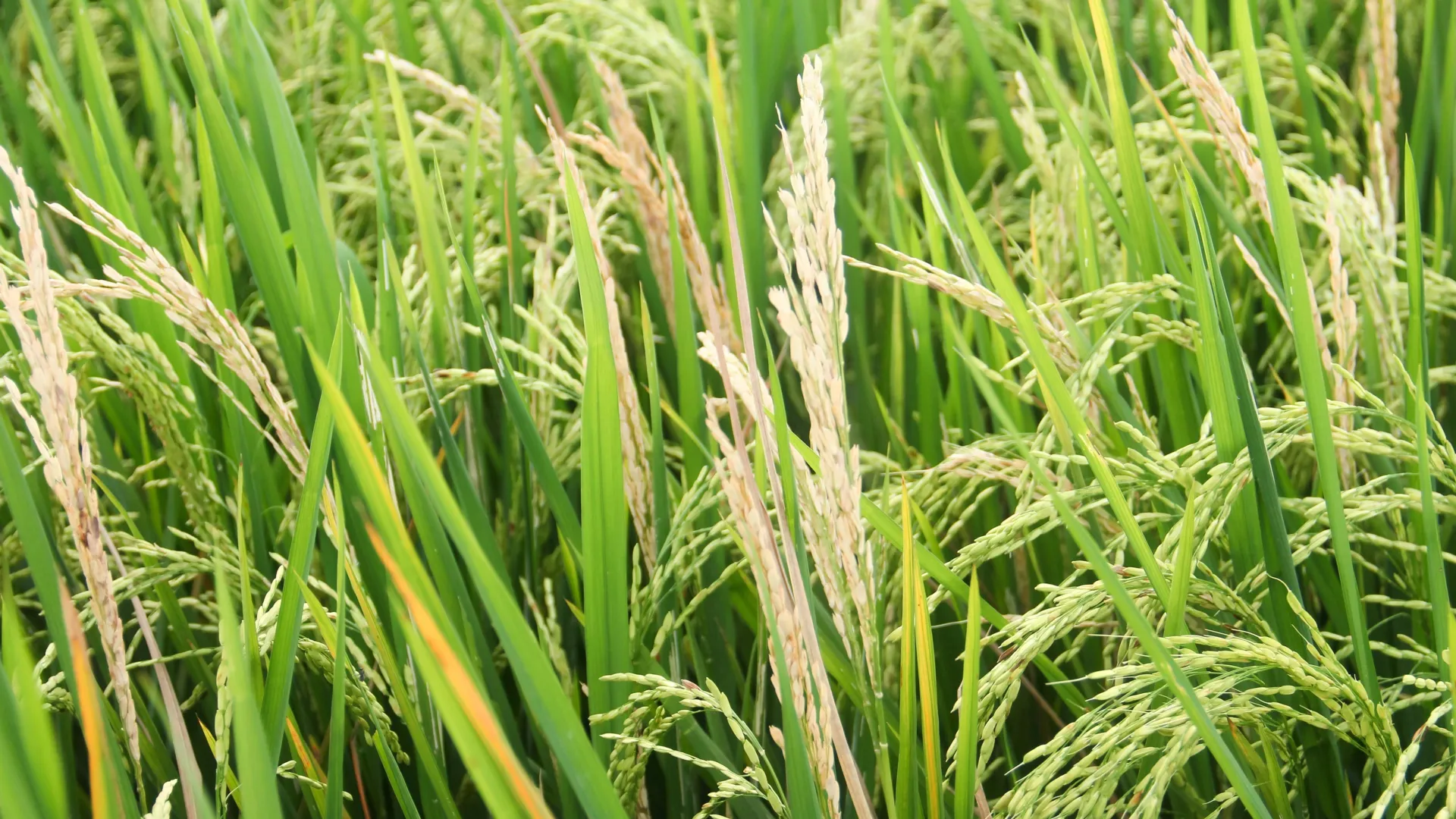
A Devastating Fungus Threatens the Global Food Supply The target of the research is Magnaporthe oryzae, the fungus responsible for blast disease. It causes the most serious fungal disease affecting cultivated rice and has also become a major threat to wheat and barley in parts of Asia and Africa. Each year, rice blast destroys enough rice to feed approximately 60 million people.
As the fungus spreads into additional agricultural regions, developing effective ways to protect crops has become increasingly important for global food security. The fungus infects plants through a sophisticated biological strategy. It delivers specialized molecules known as effectors into cells in the leaves and stems.
These molecules interfere with normal plant functions, allowing the pathogen to establish an infection and promote disease. Plants, however, have evolved their own defense systems. Specialized immune receptors can recognize these foreign molecules and trigger a protective response.
One important mechanism involves causing infected cells to die in a controlled, localized area, helping prevent the pathogen from spreading farther through the plant. Scientists Discover a Hidden Plant Immune Defense For more than three decades, much of the research into plant immunity has centered on proteins called Nucleotide-binding and leucine-rich receptors (NLRs). These receptors have played a central role in understanding how crops recognize and defend themselves against blast disease and other infections.
Extract — continue reading at the source.