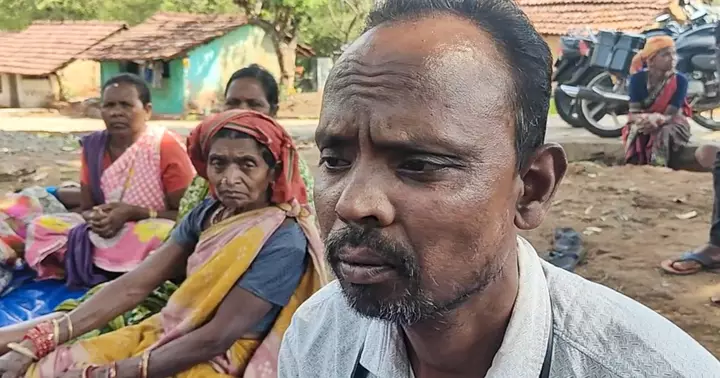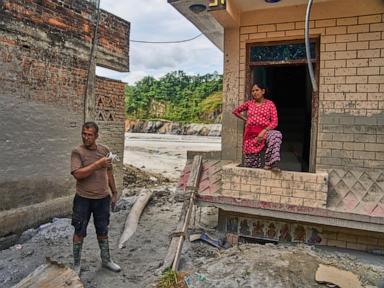
Thousands in Nepal have lost their homes and livelihoods after last month's devastating floods KATHMANDU, Nepal -- After spending five years working in Saudi Arabia, Narayan Prassan returned to his home in Nepal with savings, only to lose his house in the 2015 earthquake. He went abroad again, earned enough to rebuild his home and settled happily with his family. Last month’s floods have destroyed everything once more.
With his home in a designated danger zone and no clear idea of where his family will resettle, Prassan is staying with his wife and children at a relative’s house and mulling another stint overseas. The disaster has left the government facing a long and costly recovery, with families confronting the loss of loved ones, homes and livelihoods. Prime Minister Balendra Shah used his first address to the U.N.
General Assembly on Thursday to highlight the flooding as a warning about the growing climate risks facing the Himalayan region. Glaciers and floods do not travel with stamps and passports,” he said. Nepal’s disaster management agency said 1,453 bodies had been recovered and 5,644 people remained missing.
Only 112 bodies had been handed over to relatives, while 1,333 were temporarily buried pending identification. In neighboring China, officials reported 261 foreign nationals among the missing. Tents have been set up at the Nepal Police Hospital in Kathmandu, where relatives can provide DNA samples to help identify the dead.
Authorities are comparing the samples with DNA collected from recovered remains. Laboratory officials declined to provide details, citing privacy concerns, but said experts from India, China, the United States, Singapore and South Korea were assisting with the work. Rabi Kumar Thapa Magar, a hydropower worker who lost his wife, brother, sister-in-law and mother, said he identified his wife from a photo of the dead — but authorities had buried her body before the family could see it.
Authorities declined to release the body pending DNA matching, a process they said would take at least a month. The family later performed symbolic final rites using an effigy. Many others are still processing the grief.
Extract — continue reading at the source.