Fourteen years—that’s how long Xi Jinping’s lopsided smile has sought to replace U.S. leadership in the world with his Communist Party of China-informed vision of good governance. Xi is only 73, and nobody expects him to step down as the general secretary of the CCP next year when the 21st Party Congress convenes in Beijing to appoint a leader for the next five years. Xi already broke the mold in 2022 when he took a third term.
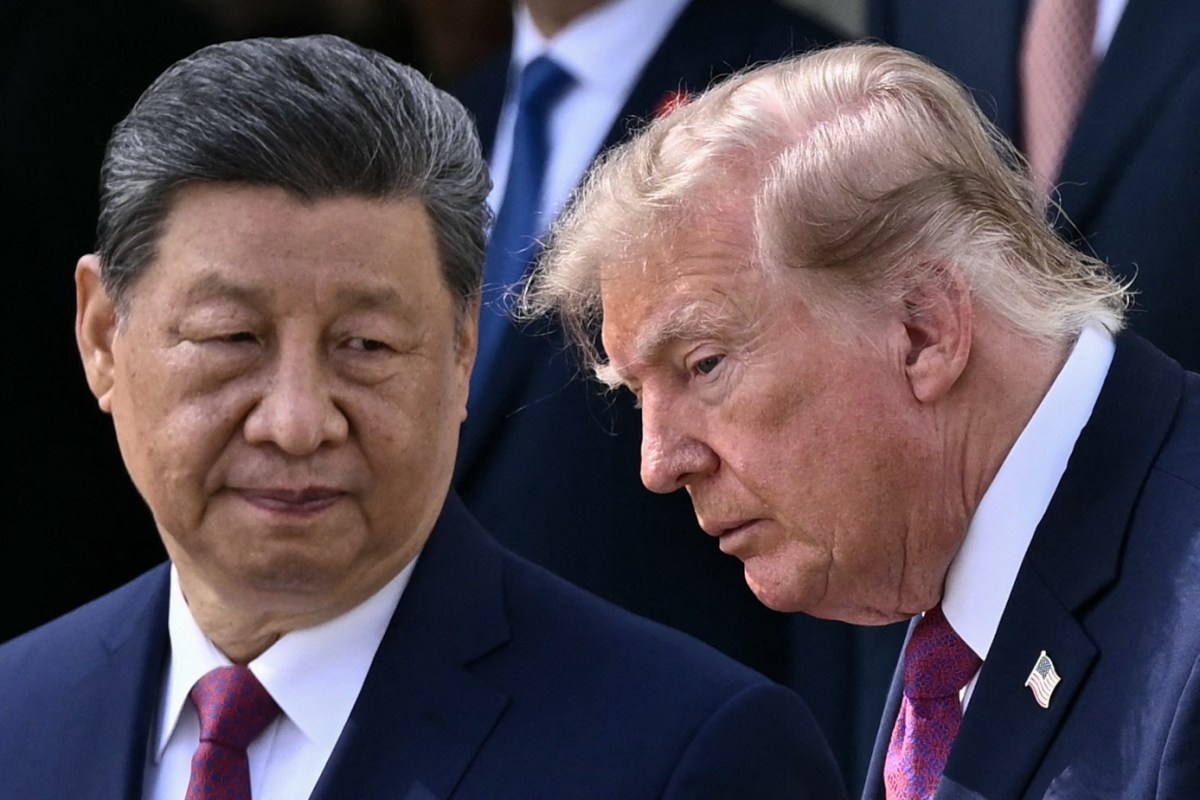
Still, next year’s party congress is a moment when leadership can change, and that raises the question of succession. So as Xi was feted in Washington, D.C., by President Donald Trump at their summit this week, people were watching, trying to figure out a possible succession based on who he brought. Who sat near him; who is close to him politically, physically, even emotionally.
These may not all be the same thing. Because protocol is not the same thing as power. But even if he may not want to step down, and if 73 is not especially old, there's always the wild card of health which may force him.
We were watching the succession issue too. But some of the answers may surprise you. For one, just how short the true short list is: There are other candidates: Li Xi, the CCP discipline chief.
Ding Xuexiang, the first-ranked vice premier. Both are Politburo Standing Committee members who were promoted at the last congress. One other notable inclusion: Zhou Hongxu, Cai's deputy and the director of the Central Guard Bureau.
In Xi's China, the security guys are always especially important. There is the wild card in the succession. Someone in China who is not known outside of the country.
Extract — continue reading at the source.