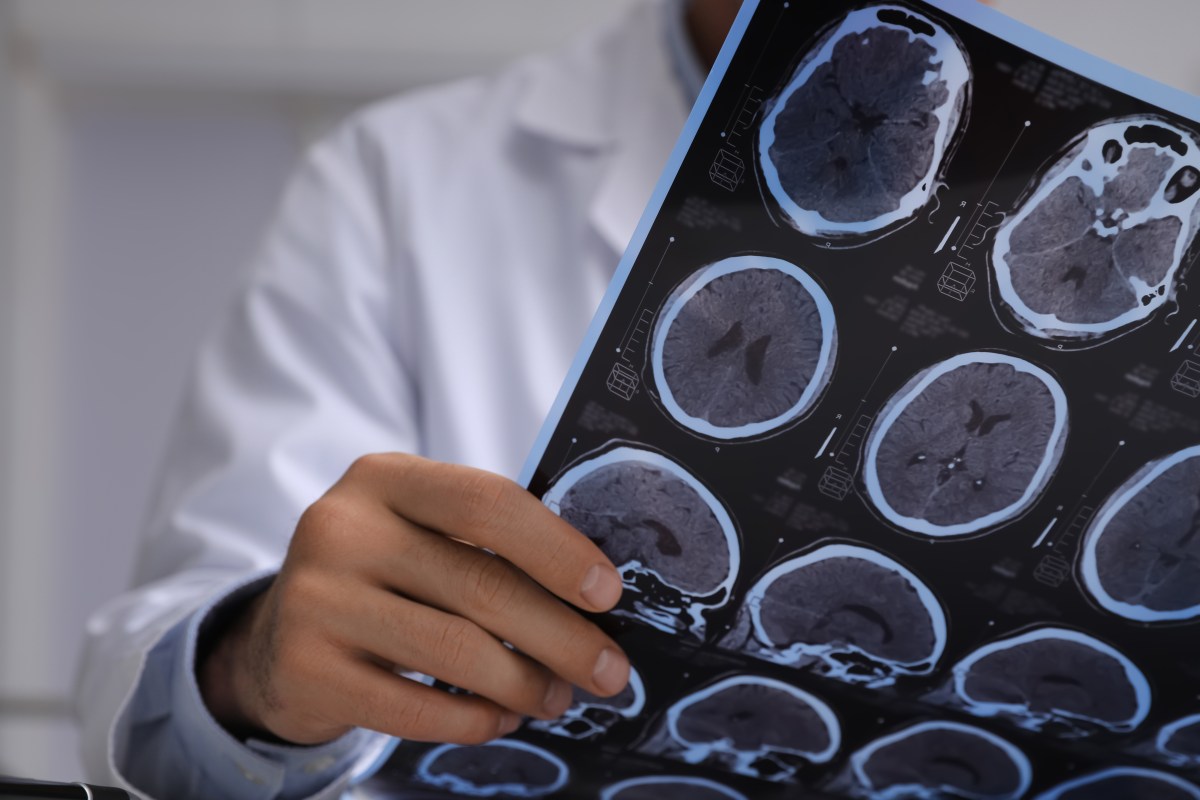
Changes in the brain linked to Alzheimer's disease may begin more than seven years before the condition can be detected using current imaging methods, according to new research. For years, the appearance of amyloid plaques on amyloid-PET scans has been considered the earliest detectable sign of Alzheimer's disease. However, researchers now report that structural changes visible on MRI scans may emerge long before those plaques can be identified, suggesting the disease process could start much earlier than previously believed.
The study followed cognitively healthy older adults who showed no signs of memory or thinking problems. Participants underwent repeated MRI brain scans over nearly two decades. During the study period, some participants eventually developed amyloid plaques while others did not.
Researchers identified the point at which plaques first became detectable on PET scans and then examined MRI scans from the previous 10 years. They found that people who later developed plaques already showed measurable structural changes in their brains years earlier. According to the findings, these changes occurred at least seven years before amyloid plaques became visible on scans.
The researchers said this represents the earliest brain-imaging signal associated with Alzheimer's disease detected to date. The findings of the study, published in Nature Neuroscience, raise important questions about how scientists define the beginning of the disease. If Alzheimer's-related changes are already underway before plaques appear on scans, current methods may be missing a significant portion of the disease process.
Researchers said the results point to two possible explanations. One is that biological processes linked to Alzheimer's are already active and affecting the brain before plaques can be detected. Those processes may either contribute to plaque formation or occur alongside very early plaque-related changes that remain invisible to current imaging techniques.
Another possibility is that different biological mechanisms trigger brain changes before amyloid accumulation begins at all. If true, the findings could broaden the search for new treatment targets beyond amyloid plaques. Lucy Hooper, a private GP and co-founder of Coyne Medical, said the findings could reshape thinking about when intervention may be possible.
Extract — continue reading at the source.