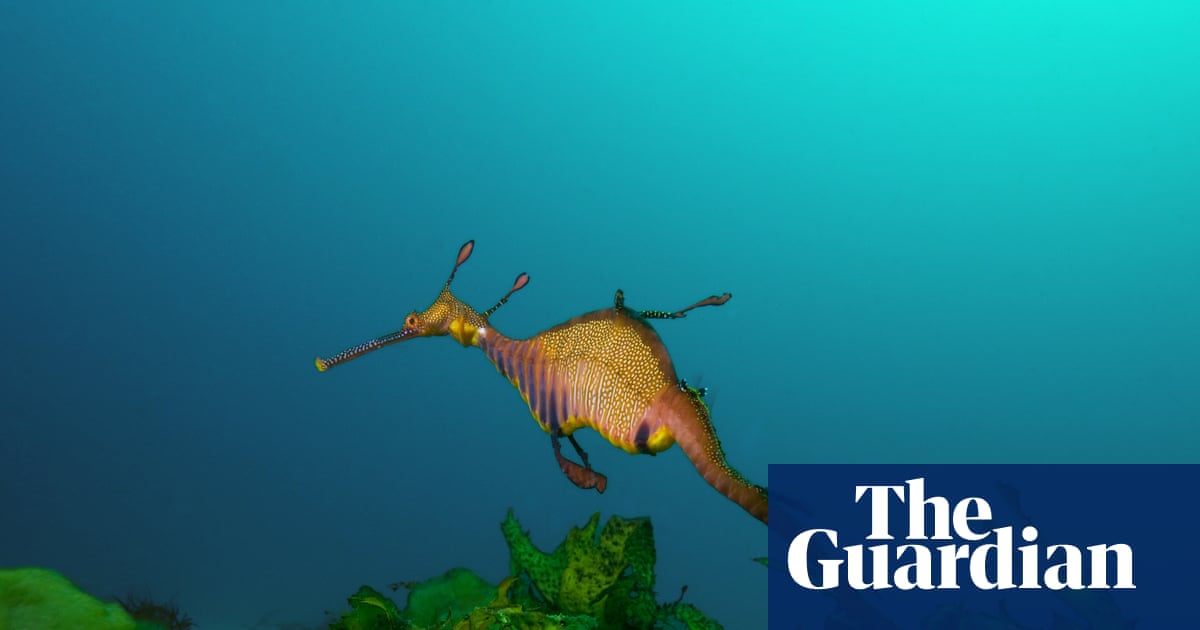
The Australian government has been accused of leaving coastal waters largely unprotected by establishing the bulk of highly protected marine parks in remote areas. More than 270 leading marine scientists from 84 research institutes have written to the environment minister, Murray Watt, urging stronger protections for marine ecosystems, as a once-in-a-decade review of marine parks gets under way. The oceans and seas surrounding Australia and its territories are globally remarkable, with tropical reefs to icy Antarctic shores, six Unesco world heritage areas and at least 33,000 marine species.
But they also faced compounding pressures due to climate-driven ocean warming, fishing and extractive industries, and expanding use. Prof Jessica Meeuwig, director of the Marine Futures Lab at the University of Western Australia and an author of the statement sent to Watt, said many species found in Australian waters existed nowhere else on the planet. But these “no take zones” were concentrated in remote offshore and territorial waters, with minimal coverage in the waters surrounding mainland Australia, the statement said.
It called for “at least 30%” of every marine bioregion to be highly protected, with bans on industrial trawling, long lining and mining across all marine parks. The scientists said no current protections should be wound back. These included marine regions off New South Wales and south-east Queensland, Western Australia and western South Australia, and the Northern Territory.
Prof David Booth, a marine ecologist at the University of Technology Sydney, said the temperate east region – one of five regions up for review – was “incredibly biodiverse”. The region, which stretched from the Great Barrier Reef’s southern border to Bermagui on the south coast of NSW, featured the East Australian Current and underwater seamounts and canyons. It was also a “hot spot” for climate-driven changes, he said, with temperate fish species – including many that people liked to eat – moving south, and added pressure from urbanisation, industry and fishing.
Watt said the government was “well on the way to meeting the Albanese government’s commitment to highly protect 30% of Australia’s ocean by 2030”, and the proposed expansion of marine parks around Lord Howe and Norfolk islands would achieve the target ahead of time. The marine parks review would provide “further opportunities to better protect key ocean habitats”, he said, “while allowing for sustainable use and conservation”. Associate professor Carissa Klein, director of the Centre for Biodiversity and Conservation Science at the University of Queensland, said the current locations of highly protected areas were “biased towards places that no one goes”.
We want them to get to 30% of every one. For example, 80% of the coral trout caught in areas open to fishing on the Great Barrier Reef were born in highly protected areas. The review was a “tremendous opportunity”, she said.
Extract — continue reading at the source.