is a professor of counselling at El Camino College in California and the author of Black Men and Racial Trauma (2024). His work examines racial trauma, Black men’s mental health, structural violence, clinical misrecognition, and culturally responsive counselling and psychotherapy. In my clinical and research work, I have heard versions of the same story many times.
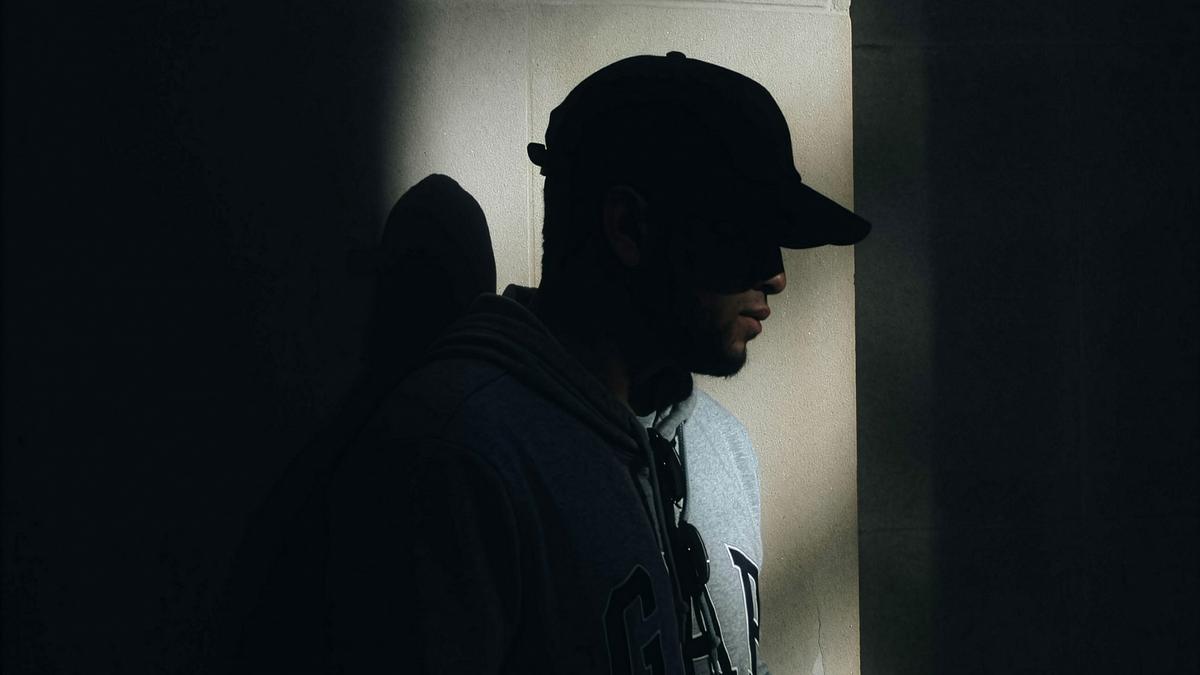
A Black man comes into the therapy room saying he is sleeping poorly. He has started withdrawing from people he cares about because he does not want to keep explaining why ordinary situations leave him so tense. At first, it sounds a lot like everyday stress.
But then he goes on to describe a supervisor who repeatedly questions his competence, coworkers who describe his tone as aggressive when he speaks directly, or a store employee who follows him aisle by aisle. He may mention being stopped by police years earlier, watching another Black man’s death replayed online, or worrying that his son will one day have to learn the same rules of self-protection. Many clinicians might still hear general anxiety, anger, depression, guardedness or poor engagement.
Those words may describe part of what is visible. But I believe that this misses the serious chronic injury underneath. What looks like emotional shutdown is often a survival strategy.
What looks like anger is often the surface of grief, shame or exhaustion. And what looks like mistrust may be an accurate memory of institutions that have not been safe. In other words, the man’s feelings and behaviours (and those of many other Black men like him) are an understandable response to racial trauma.
Society has become increasingly comfortable talking about trauma. The term now appears everywhere, applied to experiences ranging from acute violence to everyday stress. This expanded attention has brought greater awareness to suffering that was once ignored, which is welcome.
Extract — continue reading at the source.