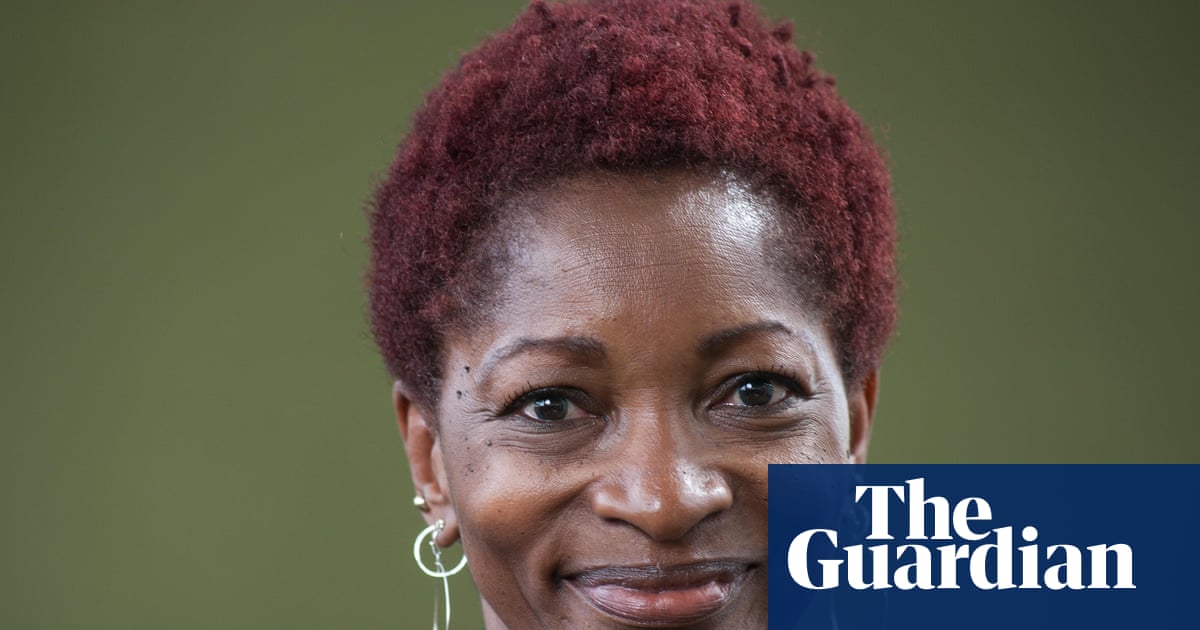
The writing and broadcasting of Bonnie Greer, who has died aged 77, were driven by divided perspectives. Her technical experience across an unusual range of genres – drama, fiction, biography, memoir, documentary – informed her work as a wry and lively critic, especially on the late-night BBC2 cultural programmes Late Review and Newsnight Review from the 1990s onwards. And, having spent the first half of her life in the US and the second in the UK, she was also perfectly positioned – in an era when British writers, movie-makers and artists were making much work about and for America – to adjudicate on such creative duality, as well as the escalating Americanisation of British politics.
Another asset was her connections: reviewing a David Mamet play or a Madonna album, she had worked with the former in Chicago theatre and met the latter as a young music wannabe in a Manhattan apartment share. Bonnie’s most successful play, Marilyn and Ella (2008), emblematically explored black and white culture through a dramatised encounter between Ella Fitzgerald and Marilyn Monroe. The television persona that brought Bonnie a niche, but serious, celebrity had two essential elements: a sharp, inquisitive, generous brain – never outweighed on discussion shows that often became rhetorical boxing contests – and a warm, throaty laugh that charmed those who were drawn to her, and disarmed the suspicious or resistant.
Having heard that signature sound for years next to me on BBC studio sofas, and before and afterwards in hospitality rooms, it came immediately to my mind on hearing of her death. One of her declared aims was to “bring people together”, and her inclusive, empathetic personality greatly helped. Bonnie’s ability to mix and thrive in what might have been hostile environments – reflecting this, her 2014 memoir was called A Parallel Life – was shaped by her early years.
She was born in Chicago, one of seven children of Ben Greer, a sharecropper turned factory hand, and Willie Mae (nee Randolph). Her father was a teenage GI at the end of the second world war. Later, though a committed cinephile, Bonnie struggled to watch Saving Private Ryan, Steven Spielberg’s film about the terrible death toll among young men in that conflict.
Ben was stationed in England as part of the D-day landing forces and, having grown up in then segregated Mississippi, was astonished by a society in which discrimination was tacit rather than mandated. His love of Britain passed by osmosis to his daughter. Her unusual first name was, in different accounts, either a tribute to Bonnie Prince Charlie, seen by her parents as a heroic resister to the status quo, or a reference to the now King Charles III, born two days before Bonnie and dubbed in newspaper headlines at the time Bonnie Prince Charlie.
She became a British citizen in 1997 and when she was appointed OBE in 2010, she dedicated it to her father. Bonnie described her childhood as “quiet and sheltered”, which was exactly what her Roman Catholic parents would have wanted. But her life became notably noisier from 19 when, while she was a student at DePaul University, a gay friend introduced her to a bohemian group of Chicago actors and writers who unlocked another self: “They would put me in vintage dresses and take me to parties.
Extract — continue reading at the source.