There is always something oddly unreal about party conference season. In theory, everyone is getting away from Westminster to better reflect on the state of the nation. In practice, the whole circus just briefly relocates to the coast, to live off warm white wine and gossip for three days, before coming back with a streaming cold.
But this year, reality seems more elusive than usual. Everyone knows hard choices loom, but everyone is frightened to make them. Every serious party needs billions of pounds to fund their promises, and everyone knows there’s an obvious place to find the money, but nobody wants to be the first to say so.
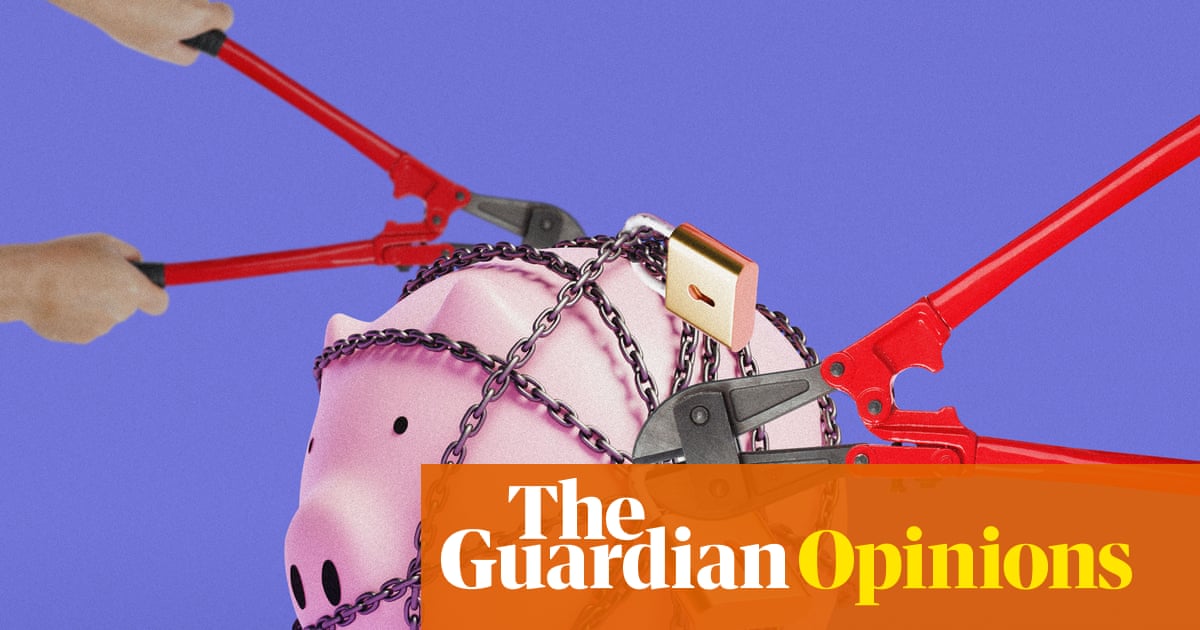
And so a deferential silence shrouds the pension triple lock, whose future will be vigorously debated on the fringes and in private conversation this autumn, but less so on the stage. George Osborne’s shameless 2011 bid for pensioner votes – under which the state pension rises, come rain or shine, by whichever is the highest of inflation, average earnings growth for working people, or 2.5% – has already cost around three times as much as the Treasury originally expected. The Office for Budget Responsibility reckons that by 2030 it will be swallowing more than £15bn a year – almost enough to fund the cause over which chancellor John Healey was recently willing to resign, namely raising defence spending to 3% of GDP in time to prevent a Russian attack on Nato.
But even if you’re willing to roll the dice on another war, there’s no shortage of alternative proposals for spending the money. The British Chambers of Commerce wants it diverted into tackling youth unemployment via cuts to national insurance, while the rightwing thinktank Centre for Social Justice argues for spending it on boosting the life chances of working-class boys. But perhaps more fittingly, it could pay for Andy Burnham’s dream of free social care for the very age group that is liable to lose out from breaking the lock.
Would pensioners rather have a 3.9% rise next year – though it could be higher, if inflation really rockets this autumn – or relief from the fear of having to sell family homes to fund nursing care? Because right now, it’s difficult to see how they can have both. Yet the failure to be honest about these tradeoffs is bending British politics out of shape.
It’s making fools of MPs, who will readily say in private that the triple lock is unaffordable but have to keep pretending otherwise in public, even as they’re being asked to nod through painful cuts to disability benefits. It’s sending young and painfully squeezed people a message that nobody cares about them, fuelling intergenerational resentment. And it’s encouraging a phoney debate about tax and spend, in which parties of the left pretend they can find serious money from unicorn taxes – the magical kind that raise billions but somehow without hitting anyone likely to vote for them, or driving the highly mobile rich to Monaco – while parties of the right pretend they can make huge welfare savings they somehow missed during 14 years in power.
Extract — continue reading at the source.