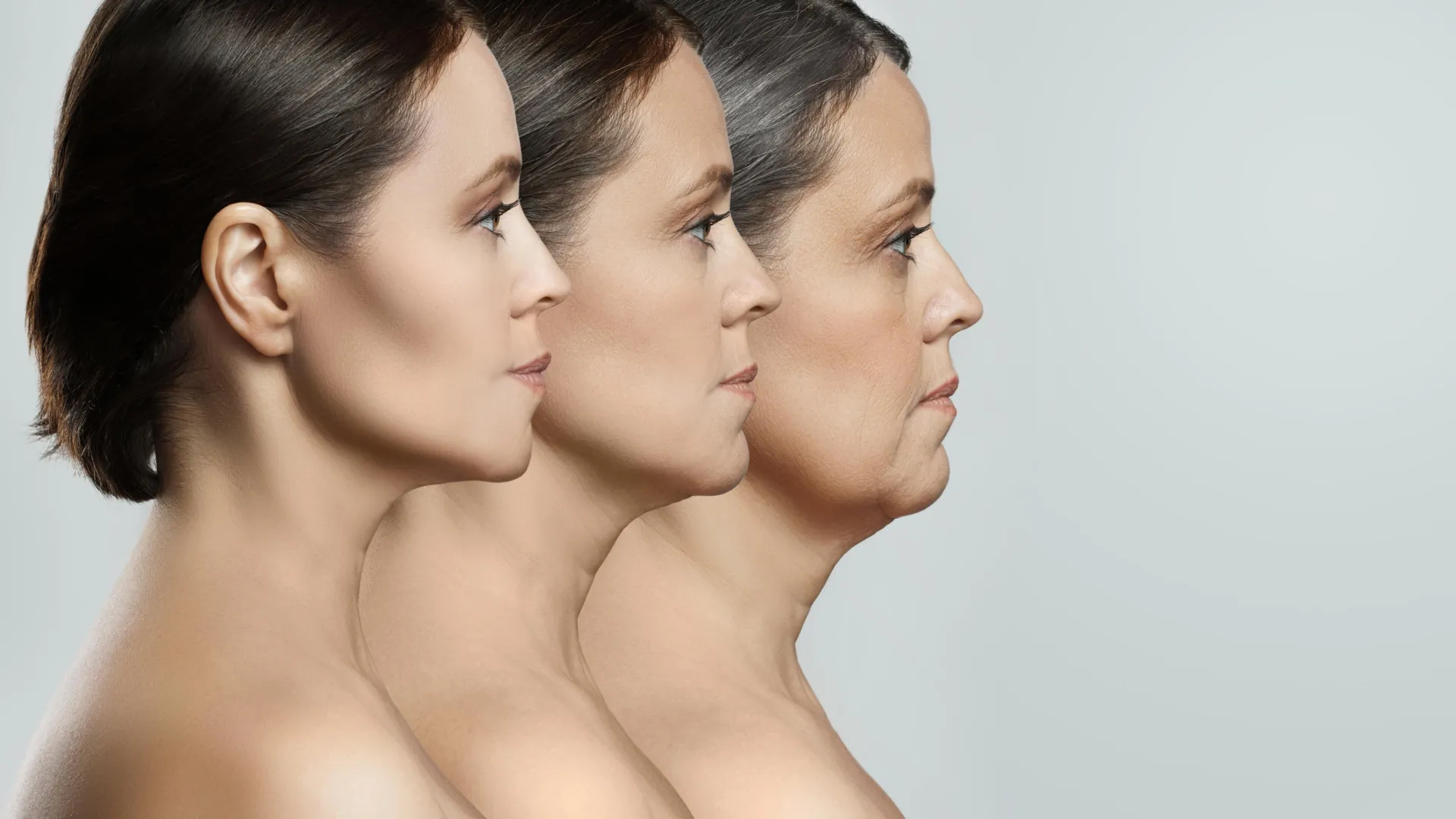
The longer people live, the more opportunities their cells have to accumulate damage that can contribute to tumor growth. But cancer is increasingly being diagnosed in younger adults, and each newer generation appears to face a greater risk than the one before it. That trend has prompted researchers to investigate a provocative possibility: Are younger generations accumulating biological damage more quickly, causing their bodies to age faster than expected?
A study led by researchers at Washington University School of Medicine in St. Louis offers evidence that this may be happening. The team found signs that younger generations are aging more rapidly on a biological level than older generations did at comparable ages.
Scientists are still working to understand what is driving these changes. The question is being investigated through international efforts involving research members of Siteman Cancer Center, based at Barnes-Jewish Hospital and WashU Medicine, and Cancer Grand Challenges, a global initiative co-founded by the National Cancer Institute and Cancer Research U.K. Importantly, the researchers also found that accelerated biological aging was associated with a greater risk of early-onset cancers among younger generations.
In general, early-onset cancers are those diagnosed at age 55 or younger. A Gap Between Biological Age and Actual Age Chronological age simply measures how many years a person has been alive. Biological age, by contrast, reflects how old the body appears based on measurable changes in cells, organs, metabolism, and other physiological systems.
According to the researchers, cancer risk increased as the difference between biological age and chronological age grew. People from more recent generations tended to have larger gaps than those born earlier, suggesting their bodies appeared biologically older at the same chronological age. That generational shift could help explain at least part of the rise in cancer among younger adults.
The team also found that aging did not appear to affect every organ system in the same way. Faster aging in specific parts of the body was associated with particular cancers. An immune system that appeared biologically older, for example, was linked to early-onset lung cancer.
Extract — continue reading at the source.


