Central Command (CENTCOM) on Sunday said the USS Abraham Lincoln has recorded one of the lowest numbers of mental health cases in the Navy, amid mounting allegations of poor conditions aboard the carrier. The Lincoln, which has been at sea for more than 260 days supporting the war with Iran, has been at the center of a dispute over allegations of supply shortages, plumbing problems and crew members threatening to jump overboard. Officials have repeatedly denied such claims and announced Friday that the carrier is expected to be replaced soon.
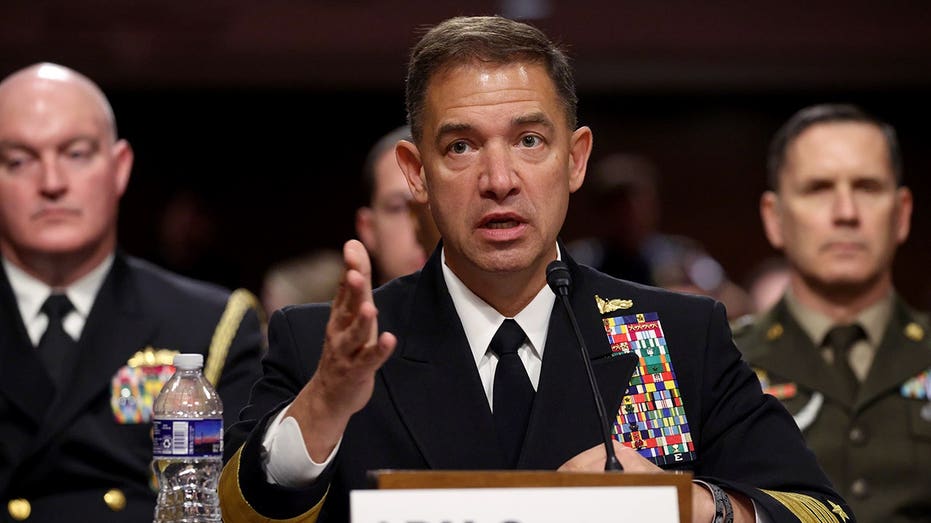
In a statement posted by CENTCOM, commander Adm. Brad Cooper touted the carrier's mental health record among the Navy's 11 active aircraft carriers after reportedly visiting the ship over the weekend. "My time aboard USS Abraham Lincoln yesterday was awe-inspiring.
I wish every American could see the crew in action. You would beam with absolute pride when witnessing their camaraderie, teamwork and resilience," Cooper said, according to the post on X. "Here’s an important fact: Of the U.S.
Navy’s 11 active aircraft carriers, the Lincoln currently has among the lowest number of cases related to mental health." US NAVY RELEASES PHOTOS OF 'FRESH MEALS,' PUSHES BACK ON REPORTS OF FOOD SHORTAGES ON MIDDLE EAST WARSHIPS In a Wall Street Journal op-ed, Cooper added that many of the allegations involving food and hot water were old concerns raised months ago that have since been addressed by the ship’s leadership. "Recent media reporting has portrayed varying perspectives on operational tempo, crew morale and the realities facing our deployed forces. What I found aboard the Lincoln is that many elements of those stories are old news.
I chatted with junior enlisted personnel and junior officers in small groups. Issues related to food, hot water and other concerns raised months ago were addressed by leadership and resolved," he said. In his CENTCOM statement, Cooper acknowledged that despite the ship’s low number of mental health cases and improved conditions, extended deployments at sea can still be challenging, as some sailors may respond differently than others to the demands of prolonged missions.
"This doesn’t mean that all is perfect. Find any of the nearly 4 million Navy veterans in America today and they will likely tell you that service at sea for long periods isn’t for everyone. It is uniquely challenging and tough, and every single one of us, including me, reacts to stressors in different ways," he said.
Extract — continue reading at the source.