The United Nations General Assembly is built for speeches, but almost nothing said from its podium changes anything. The real business happens in hotel suites and side rooms, where what counts is who gets a meeting, a visa or a seat. The people most certain of their standing are usually the last to learn it has moved.
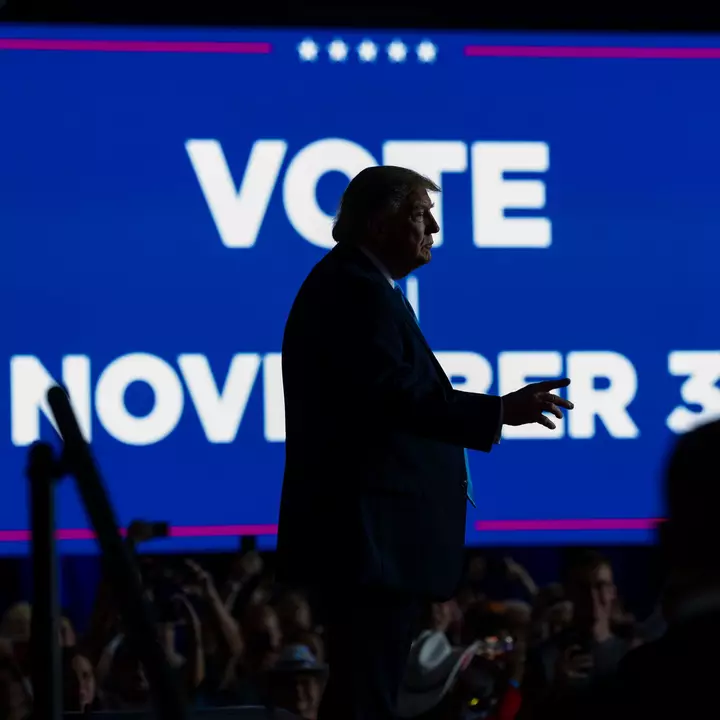
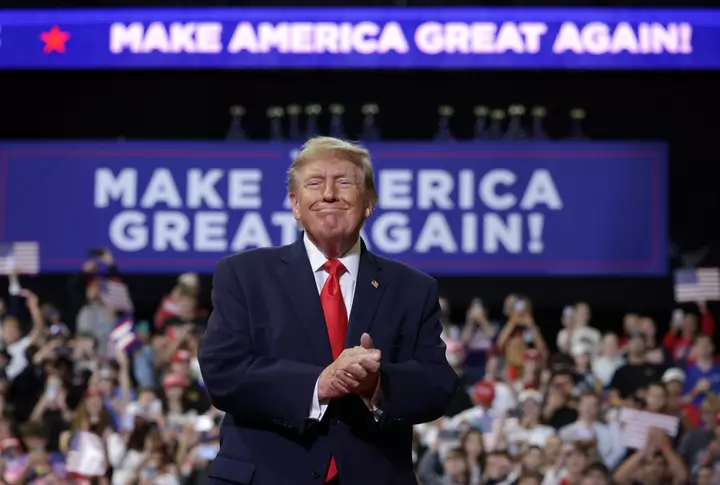
Nearly nine months after U.S. forces seized her former boss, Nicolás Maduro, Venezuela's interim president met Donald Trump for the first time, flashing a peace sign for the cameras, and thanked him from the General Assembly podium the next day. Trump had used his own address to declare: "To the victor belong the spoils." The spoils, it turns out, include Maduro's understudy. While Rodríguez posed in Manhattan, the Venezuelan opposition leader and Nobel Peace laureate made three failed attempts in two days to get home from Panama, first by boat, then by plane to Aruba, then by plane to Curaçao.
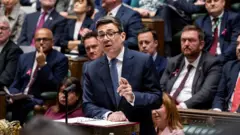
Rodríguez got a seat in the General Assembly; Machado couldn't get one on a Beechcraft. At their first meeting, Trump told Britain's new prime minister that relations are "more up now than they were with your last prime minister" and called him a "natural businessperson." Burnham has never run a business, but his fellow Labour members will now want to know what he sold. New York City's mayor used his third friendly meeting with Trump since his election to pitch a $21 billion plan to build 12,000 homes over a Queens rail yard the president said he'd been eyeing.
Trump once called Mamdani a "100 percent Communist Lunatic," but it turns out this pinko speaks fluent Queens real estate. After nearly two years of Trump threatening to take Greenland, Denmark's prime minister signed a pact letting the U.S. reopen a base at Narsarsuaq and build one at Mestersvig. America has run 17 installations under a 1951 treaty before drawing down on its own.
She kept the island by letting the Americans reopen a base they closed themselves. The Costa Rican economist and diplomat is back as the front-runner to be the next U.N. secretary-general after winning 9 votes of encouragement in the Security Council’s straw poll, exactly the number a nominee needs to win the post. But the votes discouraging her have climbed from one to five over three rounds.
Two more, and the magic nine stops being possible. Originally a staple of Newsweek's print edition, Conventional Wisdom used arrows to track whose stock was rising or falling in the political circus. We're reviving it in the digital age because the problem it lampooned—hyperbole and partisan certainty masquerading as insight—has only intensified.
Extract — continue reading at the source.