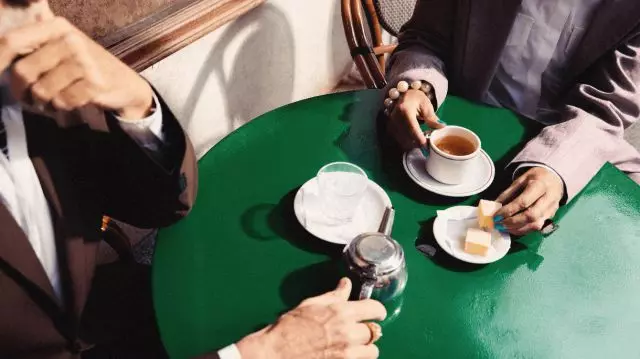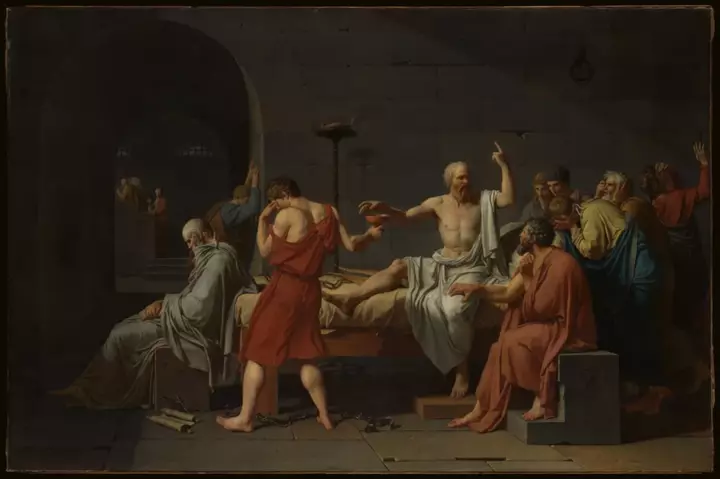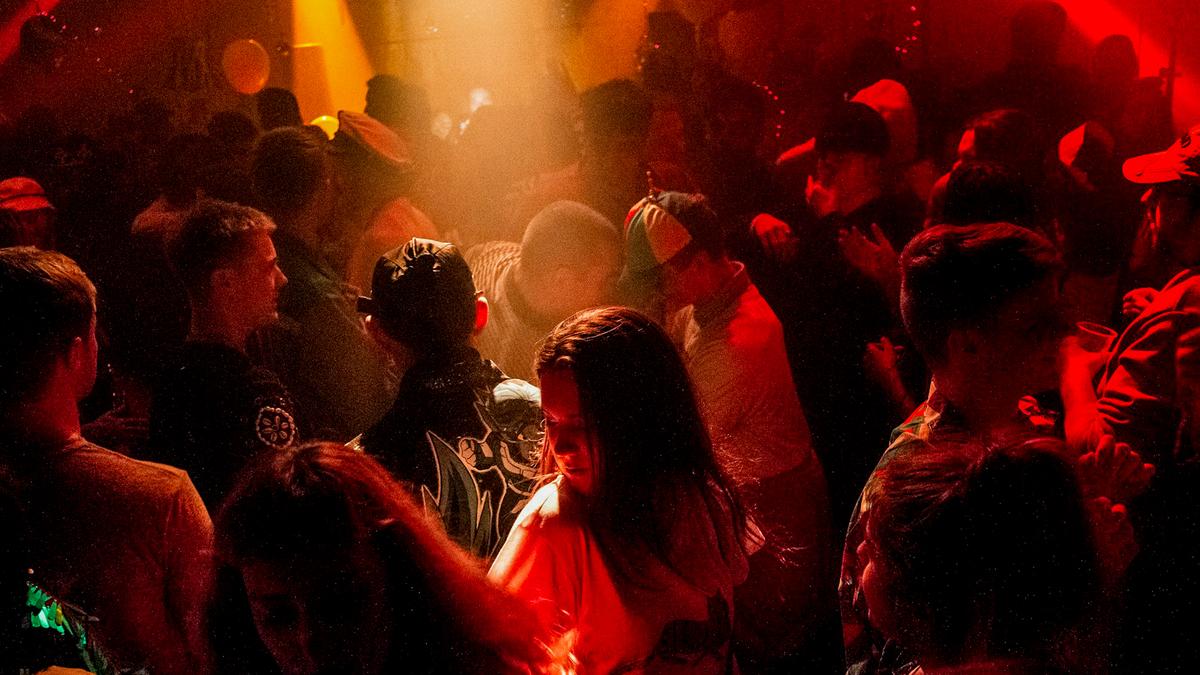
Do paintings make you cry, and do dance clubs make you recoil? You might just be a highly sensitive person (HSP). According to the pioneering research of the US clinical psychologist and author Elaine Aron, some 15 to 20 per cent of the population are highly sensitive people (more recent research puts the figure higher still).
This means that, possessing a sensitive nervous system, such people find themselves more attuned to, and sometimes overwhelmed by, physical and emotional stimuli. In this short video, the British clinical psychologist Julie Smith (aka Dr Julie) draws from Aron’s decades of research, including her book The Highly Sensitive Person (1996), to explore some of the telltale signs that you might be an HSP and offer simple advice for flourishing if you have these traits. For a deeper dive into how to thrive as a highly sensitive person, read this Psyche Guide.
In this noisy world, being highly sensitive is a challenge. But learn to manage overwhelm and you can reap the upsides too Aesthetic sensitivity is not about being correct in your judgments of beauty, but rather how much you’re affected by it Happy tears are often neglected in emotion research. But there are many types, and they have an important function Some kids, like orchids, are highly sensitive to their environment.
Provide oodles of love and routine, then watch them bloom Research on the social side of emotion management is showing what’s distinctive about it – and its benefits for all involved Find out which of your emotional needs you’ve been neglecting and use tips from human givens therapy to address them We think of tears as an overflow of emotion, but an evolutionary lens shows they’re a rational form of social signalling Research suggests that people find artworks more aesthetically pleasing when they’re personally relevant to them in some way
Extract — continue reading at the source.