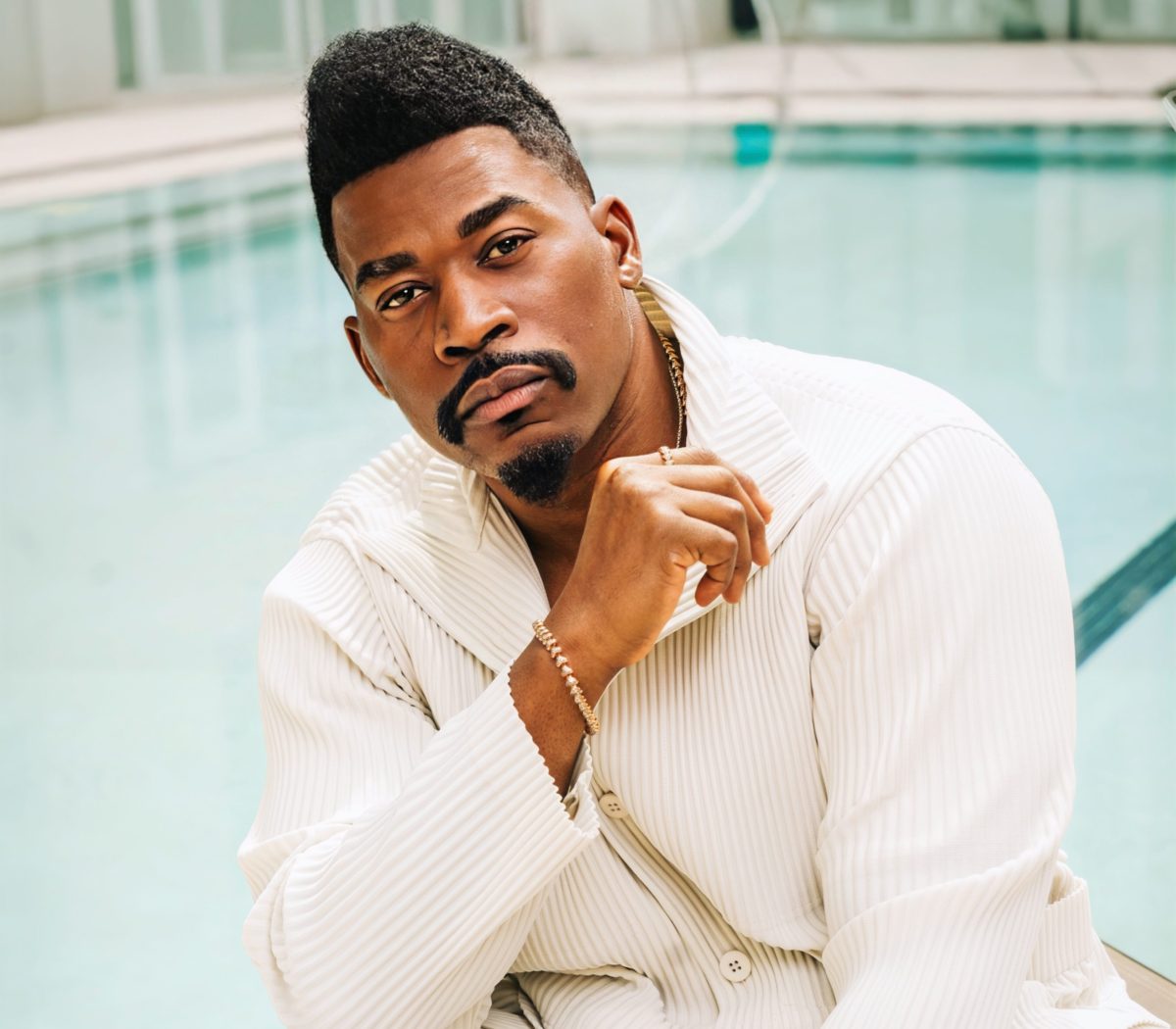
Renowned rapper and producer David Banner remembers taking dialect classes, where instructors urged him to soften the Mississippi in his voice because casting directors might trap him in a loop of familiar roles, and the experience sharpened a question he has carried across music, film and business: Who gets to decide what intelligence sounds like? Born Lavell William Crump and raised in Jackson, Mississippi, Banner earned a business degree from Southern University, where he served as student government association president, and he later pursued graduate study in education before music demanded his full attention. After emerging with Kamikaze in the duo Crooked Lettaz, he launched a solo career, and when Mississippi: The Album arrived in 2003, its heavy drums, tense storytelling, and fierce regional pride gave the state a national amplifier.
He still hears a gap in hip-hop’s historical memory, because Southern elders are often sampled, celebrated for a night and then left outside the canon’s front door. A recent performance at the Been Ridin’ Dirty concert celebrating the 30th anniversary of Texas rap duo UGK’s breakout album Ridin’ Dirty supplied a viral image for Banner’s vision. Dressed as Missouri Slim, the character he played in Peacock’s Fight Night: The Million Dollar Heist, the muscular, hard-voiced rapper moved across the stage before skipping with theatrical delight during a Pimp C tribute, and because he built the set around “Like a Pimp” and “Pinky Ring,” acting, rap history and physical comedy folded into one flourish.
The clip traveled far beyond the room, and viewers began calling him a face of “Black Joy,” a designation he received with gratitude because the response joined communities rarely pictured in the same frame. It’s all right for you to smile.” The performance did not grant him permission, Banner insists, since permission has never been his preferred currency; it revealed a dimension already present. He grew up dancing, flipping in front yards and drinking from water hoses, and when gangster rap narrowed club movement into the watchful two-step, the older vocabulary stayed stored in his body.
Banner often lets T.I. select beats because, he says, “T.I. and Jay-Z have the best ear in hip-hop as far as lyricists,” and after T.I. chose the track, Banner waited before inviting him onto the same record, knowing that the rapper already liked the production. T.I. brought Duke Deuce into the fold, while a separate Juicy J collaboration sparked another idea, and Rapsody, who happened to be in the studio during Banner’s verse, suggested part of its flow. The first album considers God, the second examines estrangement, and a planned third imagines return; together, the records are meant to map belief through human experience.
Banner calls the new installment “one of the best rap albums of all time,” and while such claims belong to hip-hop’s competitive grammar, his confidence sounds like a report carried straight from the studio. Banner’s most consequential experiment may sit beyond the songs, because listeners visiting his website can choose what to pay for new music—including unreleased tracks, instrumentals and alternate versions—and he says direct support has exceeded what many artists earn through long stretches of streaming.
Extract — continue reading at the source.