Scientists have reconstructed a remarkably detailed family tree of cells in a developing mouse embryo, tracing their origins back to the moment a fertilized egg first divided into two cells. Using an innovative DNA recording technology, the researchers followed how those early cells multiplied, developed specialized roles, and eventually helped form a body with distinct organs and tissues. The recording covered the first 13.5 days of embryonic development, providing an unusually detailed look at how a complex mammalian body takes shape. (Full gestation in mice is 19 to 21 days.) The findings, published on October 8, 2026, in the journal Science, could help scientists better understand normal development and what happens when that process goes wrong.
"We are interested in tracking how cells' early ancestry in an embryo influences their later fates. Exploring cell lineages helps decode normal development. Such research could eventually advance knowledge about congenital malformations, neurodevelopmental conditions, genetic disorders or cancer," said Dr.
Jay Shendure, a professor of genome sciences at the University of Washington School of Medicine in Seattle and a Howard Hughes Medical Institute Investigator. Shendure led the research alongside Dr. Chengxiang Qiu, a molecular and systems biologist at Dartmouth College in New Hampshire.
Both served as senior authors of the study. A DNA Typewriter Records the History of Living Cells The achievement was made possible by a technology called DNA Typewriter, developed by Shendure and Junhong Choi, who is now at Sloan Kettering Cancer Center. Rather than simply observing cells as they divide, the system allows scientists to preserve a record of their history directly within their DNA.
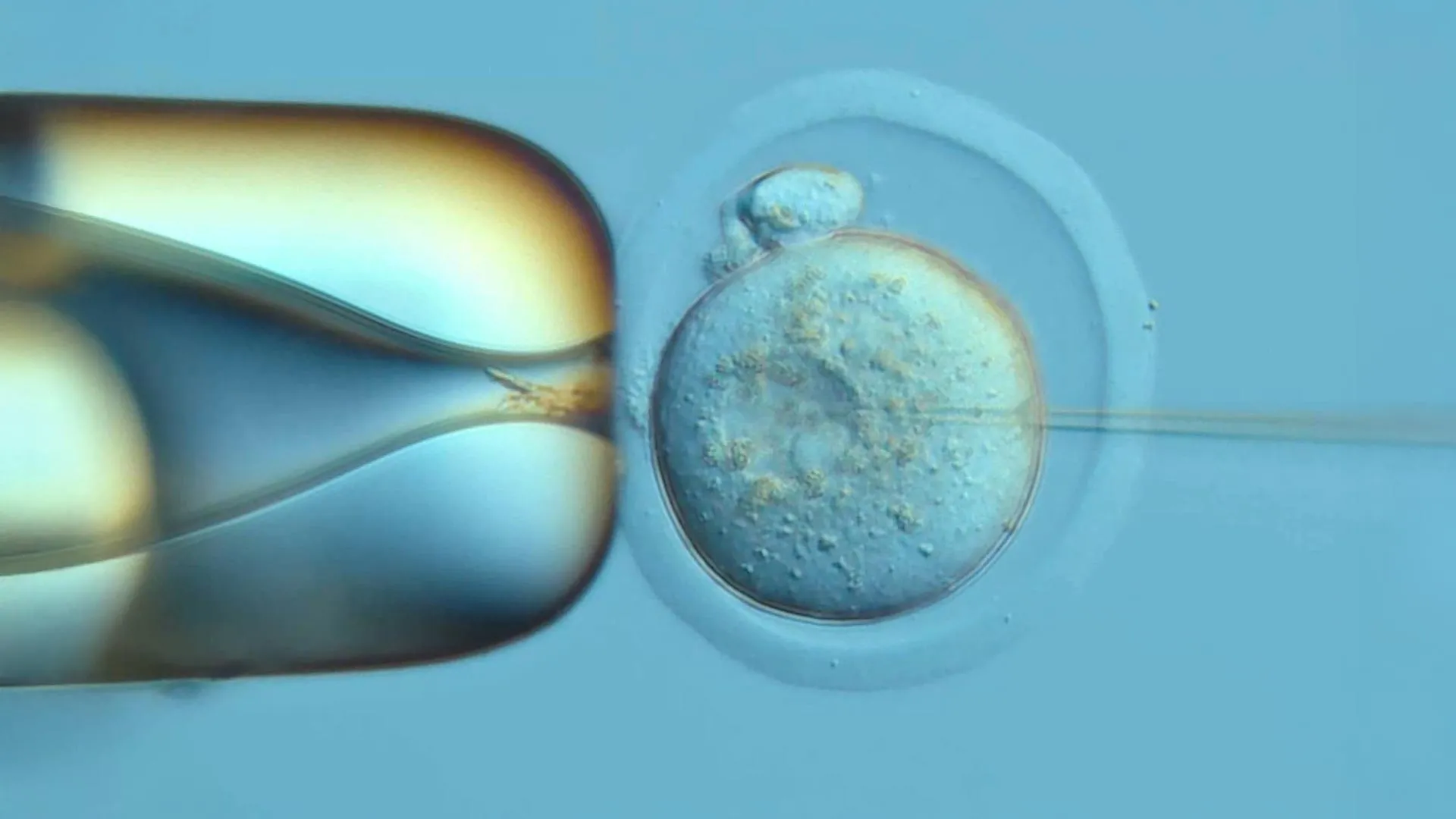
To accomplish this, the researchers inserted a redesigned recording sequence, which they call a tape, into the genome of a fertilized mouse egg. The updated design made it easier to recover the information stored in individual cells. As the embryo developed, the DNA Typewriter remained embedded in the genetic material of its cells, recording their divisions in a way that could later be used to reconstruct their ancestry.
The result was something like a biological logbook, documenting the sequence of events that gave rise to different cell populations. "Think of it like an actual typewriter, except it types onto a cell's own DNA instead of paper," explained Haedong Kim, a co-first author of the study and a postdoctoral scientist in genome sciences at UW Medicine, the Seattle Hub for Synthetic Biology and the Howard Hughes Medical Institute. "Every time a cell divides, it strikes one new character onto the next blank line -- always in order, never overwriting what's already there.
Extract — continue reading at the source.


