El Niño is expected to continue strengthening through the end of 2026, with federal forecasters saying there is a greater than 90 percent chance it will become a very strong event during fall and winter. The Climate Prediction Center (CPC) said Thursday that there is now a 75 percent chance El Niño will reach historic strength during the October-to-December period, surpassing previous events in records dating to 1950. That probability has increased from 69 percent in the agency’s August update.
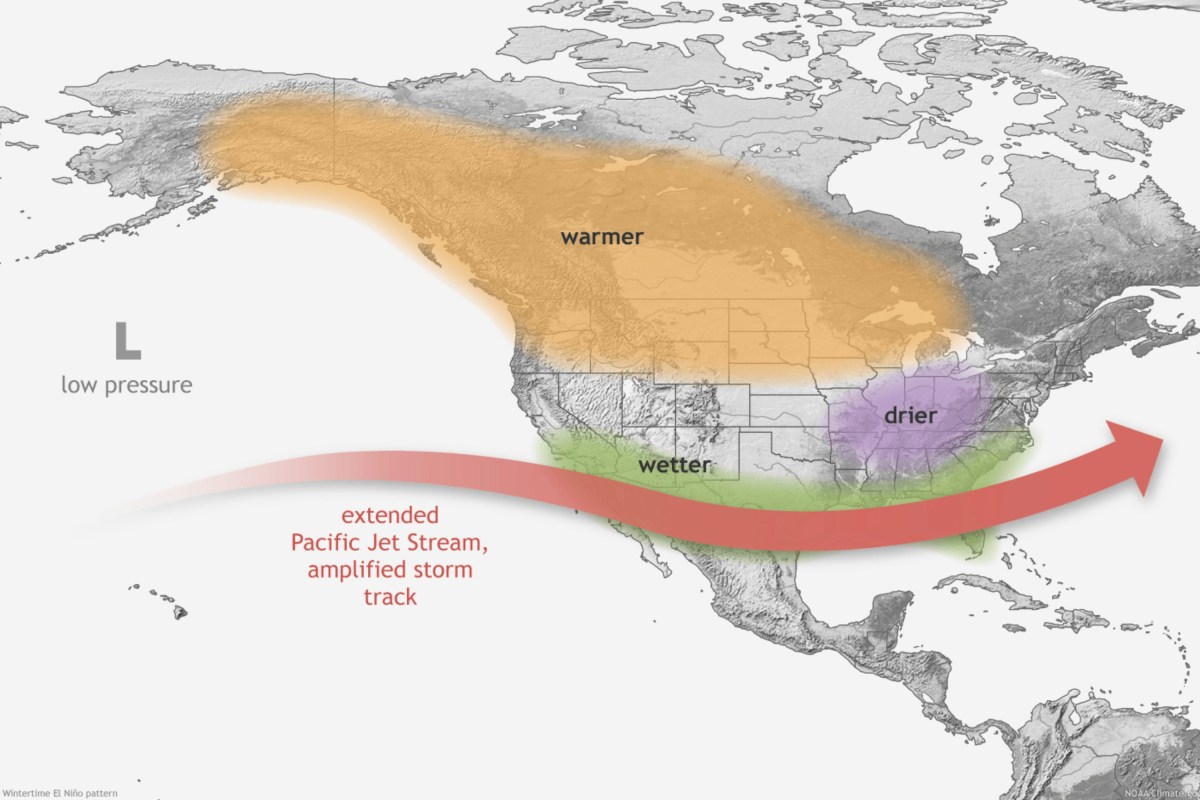
El Niño is the warm phase of the El Niño-Southern Oscillation, or ENSO, a recurring Pacific climate pattern that can affect weather worldwide. Its counterpart, La Niña, is the cool phase of the cycle. Typical El Niño effects can include stormier weather across the Southern U.S., drier conditions in some northern areas and changes in hurricane activity.
El Niño strengthened further during August, according to the CPC’s new update. The agency’s latest outlook indicates that El Niño will continue strengthening through the end of 2026. It said there is a greater than 90 percent chance of a very strong event during fall and winter 2026-27.
Forecasters also gave El Niño a 75 percent chance of reaching historic strength during the October-to-December period. AccuWeather meteorologist Alex DaSilva told Newsweek that one part of the U.S. to watch regarding El Niño is California, where the phenomenon often yields very wet and stormy winters. One important thing to watch will be where the moisture will be more focused.
Will it be focused more into [southern California] or more into central or northern California? Either way, early indications are that California will be wet and stormy this winter.” Another factor to monitor will be how far east that moisture is able to spread, DaSilva said. Last month’s outlook indicated that El Niño would continue strengthening through the end of 2026.
For the October-to-December period, forecasters gave the event a 69 percent chance of reaching a level that would surpass every previous El Niño in records dating to 1950. The agency cautioned that while an event of that magnitude would increase the likelihood of typical El Niño weather impacts, those effects were not guaranteed.
Extract — continue reading at the source.