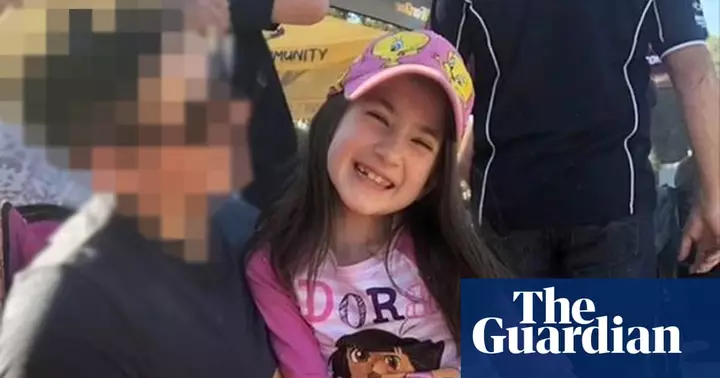
Elizabeth Struhs’ child protection case was not “prioritised” or worked intensively because the staff member assigned to her case was “very busy”, a coroner has heard. The Queensland coroners court also heard the case worker may have been “overly influenced” by the presentation of Struhs’ “upper class home”, putting cases that believed to involve a more immediate risk ahead of Elizabeth’s. The eight-year-old died on 7 January 2022 of diabetic ketoacidosis, after her father, Jason Struhs, stopped providing insulin to treat her type 1 diabetes at their home in Toowoomba, Queensland.
A long-term sceptic of his wife’s beliefs, he had converted to them and joined her religious sect – which subscribed to an extreme form of Christianity and denied the use of medicine – in 2021. Coroner Ainslie Kirkegaard is holding an inquest into Elizabeth’s death. She has previously heard the eight-year-old came to the attention of child safety after a 2019 incident where she presented to hospital in a coma.
Child safety ended its involvement with the family after just 17 weeks of what was supposed to be an intensive intervention, assessing her as “safe”. But the single child safety officer assigned to Elizabeth’s case told the court on Friday her approach wasn’t intensive and she didn’t make weekly check-ins during that period, despite departmental guidelines. The department chose to release her back into Jason’s sole care over the objections of specialist doctors who treated Elizabeth in Brisbane, subject to a voluntary intervention with parental agreement (IPA).
The coroner heard just a single child safety officer was assigned to the case, and would often conduct home visits alone. I recall this being a very busy time for the CSSC (child safety service centre) and I also recall being regularly out of the office travelling to visit other families. But at the time, she had a “big caseload” – approximately 25-28 children in 15 families on the same intervention– she said.
The coroner has previously heard that the Toowoomba region was among the busiest in the state for child safety. Counsel assisting Simon Hamlyn-Harris said most of them were experiencing significant domestic violence, drug use, sexual abuse and it was not often that she was required to work with “upper class families” like the Struhs. The case worker agreed that she may and may have been “overly influenced” by the presentation of the Struhs home.
She also told the court that she may have had a bias because her own child had nearly died of type 1 diabetes at age 6. She had asked not to be assigned to the case, she said. Several witnesses have previously told the coroner they expected the intervention to last months or a year, but the case worker said they were supposed to not last longer than three months, because they were an intensive approach.
Extract — continue reading at the source.