Vogue World Milano was held beneath the vaulted glass domes of Italy’s oldest shopping arcade, featuring Gigi Hadid in archival Valentino couture and robots dancing on the catwalk while Miuccia Prada scowled at them. A splashy event staged in the midst of a month of fashion shows in New York, London, Milan and Paris, in which 97.5% of models were a size four or under, what ticked people off most was the presence of trillion-dollar pharma company Eli Lilly on the list of sponsors. Eating disorder advocates spoke out against the association between an aspirational fashion show and the manufacturer of the weight-loss drugs Zepbound and Mounjaro.
Fans of doublespeak, however, would have found much to enjoy in the language an Eli Lilly spokesperson used to defend the partnership, saying it collaborates with “cultural platforms like Vogue … because that is where conversations about bodies and health take place. Lilly is working to shift the conversation about weight from aesthetics to health and to challenge the stigma people with obesity face every day.” So to summarise, Eli Lilly is partnering with Vogue – a byword for fashion, glamour and thinness for more than a century – in order to shift the conversation away from aesthetics. But Eli Lilly is not alone in serving word salad in this bewildering moment.
We are living through a strange time in the language around bodies. Body positivity – a movement which peaked in the late 2010s, and argued that no one body type is morally, sexually or aesthetically superior to any other – has all but vanished within mainstream visual culture. At the same time, much of its social training lingers.
During the body positivity movement’s peak, of the late 2010s, many of us learned to try to think differently about bodies – our own, and other people’s. All bodies are beautiful, we were told, first by activists, then by brands which used those ideas to sell deodorant. At the same time, phrases such as “fat shaming” and “body shaming” went viral as high-profile women revealed the pain wrought by relentless objectification by industry gatekeepers, trolls, fans and the media in the previous decade.
We learned, too, that casual body chat could be actively damaging for people suffering from eating disorders. Self-acceptance, not skinniness, was the prize, we learned – or, at least, we tried to. We are now in a very different moment, with ideals shaped by a very different set of cultural and economic forces.
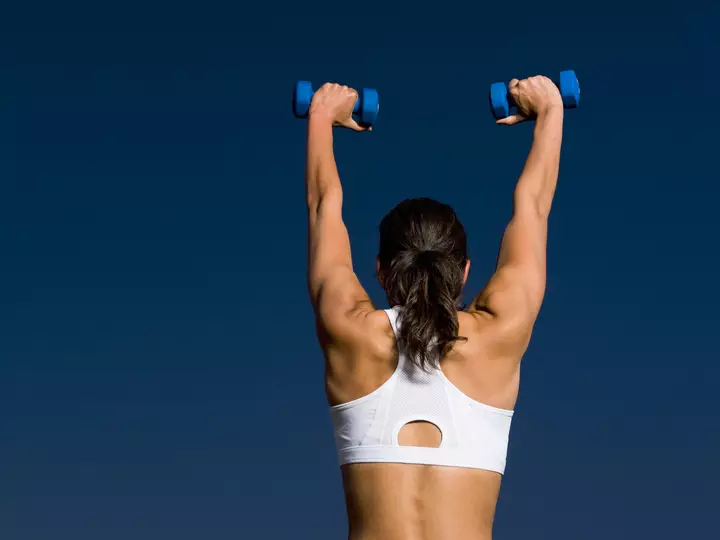
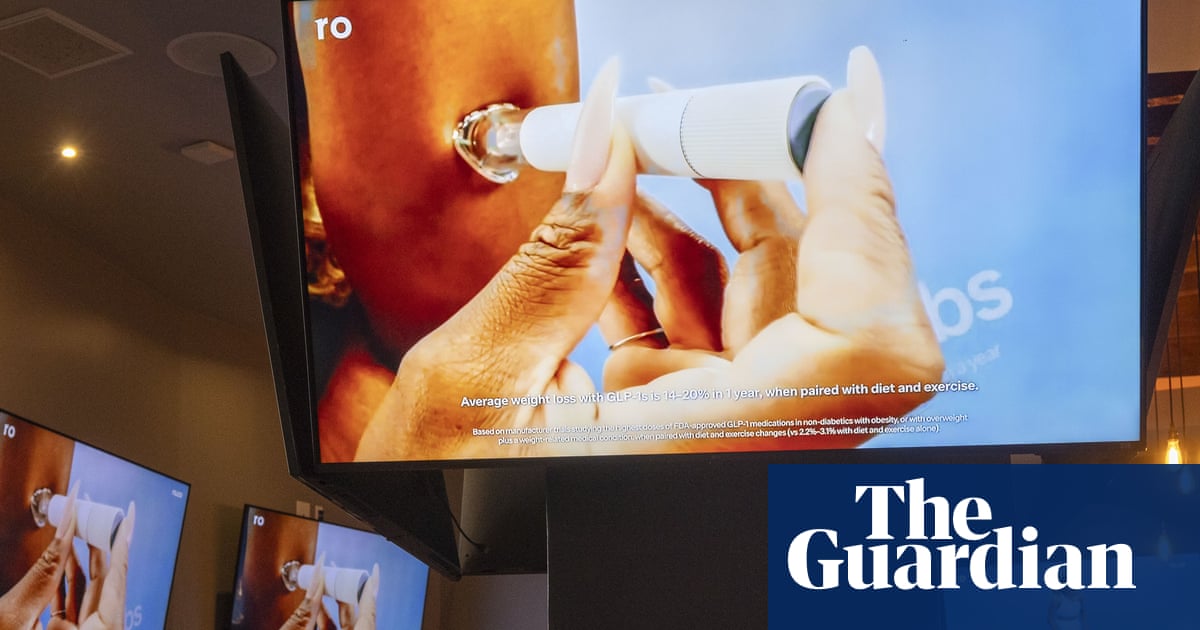
Self-improvement strategies are pushed at us near-constantly. Social media feeds are thick with thin fitness influencers, GLP-1 before and afters, and injector-influencers advising us how we can jab our way to our best ever faces. A million GLP-1, Botox and plastic surgery adverts stare down at us from billboards and in doctor’s offices.
Extract — continue reading at the source.