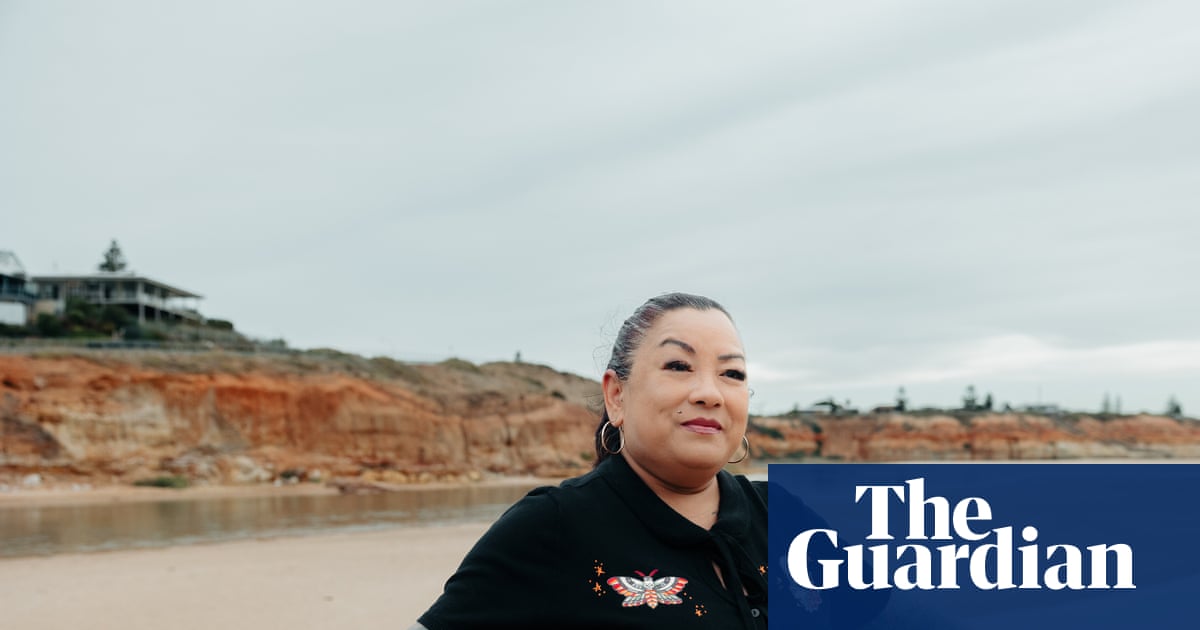
In 1975, my parents saw an advert in their local Australian newspaper. With the Vietnam war coming to an end, thousands of orphaned children were being evacuated. As part of the American-led Operation Babylift, the Australian government was looking for families who would adopt them.
My parents decided to do it. I arrived in Adelaide in April in a shoebox. I was so tiny that my umbilical cord was still attached.
My parents knew that the document they were given, with a January birthday and the name Le Thi Ha, couldn’t be mine. But with the chaos of the evacuation there was no way to find out more. Despite my parents divorcing when I was two, I had a happy childhood.
I had an older sister, who’d been adopted at five, three brothers and parents who loved me. As a child, I wasn’t curious about my adoption. Even if I had been, Mum didn’t have any answers.
She’d been told that my birth parents were probably dead, and if I’d stayed in Vietnam I’d have died, too. My teenage years were harder. I was the target of racial slurs and tried to hide my Asian heritage, becoming heavily tattooed and dying my hair.
Having my daughter Jade in 1995, the first person I knew that I had a biological connection with, changed everything. I’d stare at her for hours, unable to comprehend that this baby was from my blood. I’d look in the mirror and think: “Jade looks like me, but who did I look like?” Those questions only grew as I had my sons and second daughter.
Extract — continue reading at the source.