At first sight The Middle Ale in Dundonald, Northern Ireland looks just like any other pub. There is a big TV, an array of seating, and beer pumps behind the bar. Look a little closer, however, and you might ask why there are packets of fajitas and gravy granules on the walls.
That’s because the pub belongs to the supermarket chain Lidl, but the Middle Ale (like “middle aisle”, get it?) isn’t just a wacky marketing stunt. Northern Ireland has ultra-strict laws around licences to sell alcohol, whether as a shop, pub or nightclub. Lidl tried to get a licence to sell alcohol in its Dundonald store, and was refused, but after a court battle it did manage to get a licence for a pub – which it duly opened next door, selling alcohol to take away as well as serving drinks in the pub itself.
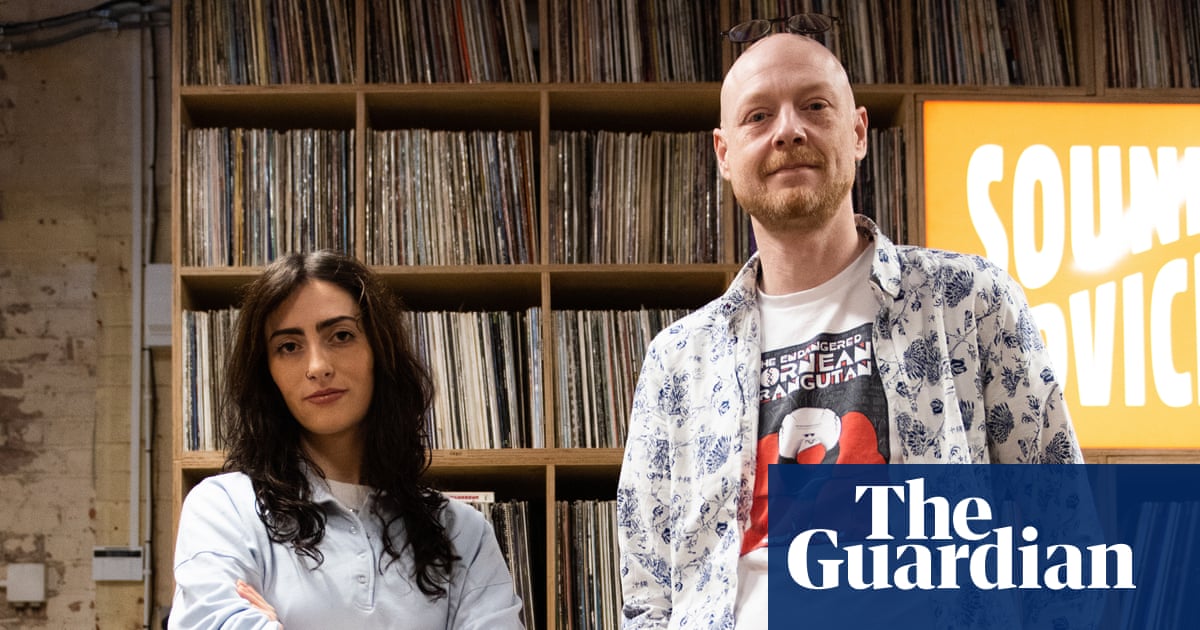
It’s an absurd chapter of a much bigger story: local activists have long demanded licensing reform that could invigorate Northern Irish nightlife. The Lidl pub situation exposed “the hypocrisy of everything we’re up against,” says Boyd Sleator. In 2021, Sleator and Belfast-based DJ Holly Lester co-founded Free the Night, a charitable organisation formed in 2021 with the aim of creating a safe and progressive nightlife in Northern Ireland.
Research conducted by Free the Night claims that obtaining an alcohol licence in Northern Ireland costs, on average, £75,250, but they say they have heard of sums up to £1m changing hands. This is because the current “surrender principle” means that any new pub or club must buy an existing licence from another establishment, a unique “one-in, one out” law. It must also prove an inadequacy of licensed premises to serve the local community.
According to the BBC, The Middle Ale cost Lidl more than £500,000 and took six years of planning, numbers that Sleator and Lester say expose the barriers facing those keen to open new venues in the country. The company did not respond to multiple requests for comment. Gordon Cruikshanks, managing director for Lidl Northern Ireland, previously told the BBC that the pub “was the best option to be able to provide the community in Dundonald with our full range of products”, but any changes to licensing laws were “for others to continue to discuss”.
Free the Night is mounting a legal challenge over the minister for communities’ decision to reject a 2025 independent review of liquor licensing conducted by the University of Stirling. Key among Free the Night’s aims is a comprehensive review of alcohol licensing legislation, including the removal of the surrender principle. Northern Irish musicians including Bicep, David Holmes and Max Cooper signed an open letter outlining their demands.
Extract — continue reading at the source.