To say Graham Parker enjoyed a swift rise to fame is an understatement. He played his first live show with his most famous backing band, the Rumour, in October 1975, at the Newlands Tavern, a pub in Nunhead, south-east London. By the start of the following year, he had a record deal and was in the studio recording his debut album, Howlin’ Wind.
The buzz around him was such that the sessions were interrupted by the arrival of a succession of stars – Thin Lizzy’s Phil Lynott among them – intrigued to hear what the fuss was about: a petrol pump attendant from Surrey who sang like Van Morrison and had written a set of smart, sharp, literate songs in between filling up cars. The record arrived in April 1976 to vast critical excitement, a lot of it occasioned by the album’s closing track, the reggae-influenced, attitude-laden Don’t Ask Me Questions. After Howlin’ Wind came out, followed in October by Heat Treatment, things ratcheted up another notch.
Parker turned up in Australia to discover the media waiting for him and a press conference arranged in the airport: they had taken the amount of music press coverage Parker was receiving to mean he was “as big as Bruce Springsteen, which was insane”. Low down on a festival bill topped by Bob Dylan, he found himself backstage collared by the headline act, eager to tell Parker how much he loved his work. There also exists a photo of Parker in Los Angeles, with, of all people, Michael Jackson, but their meeting was apparently less successful.
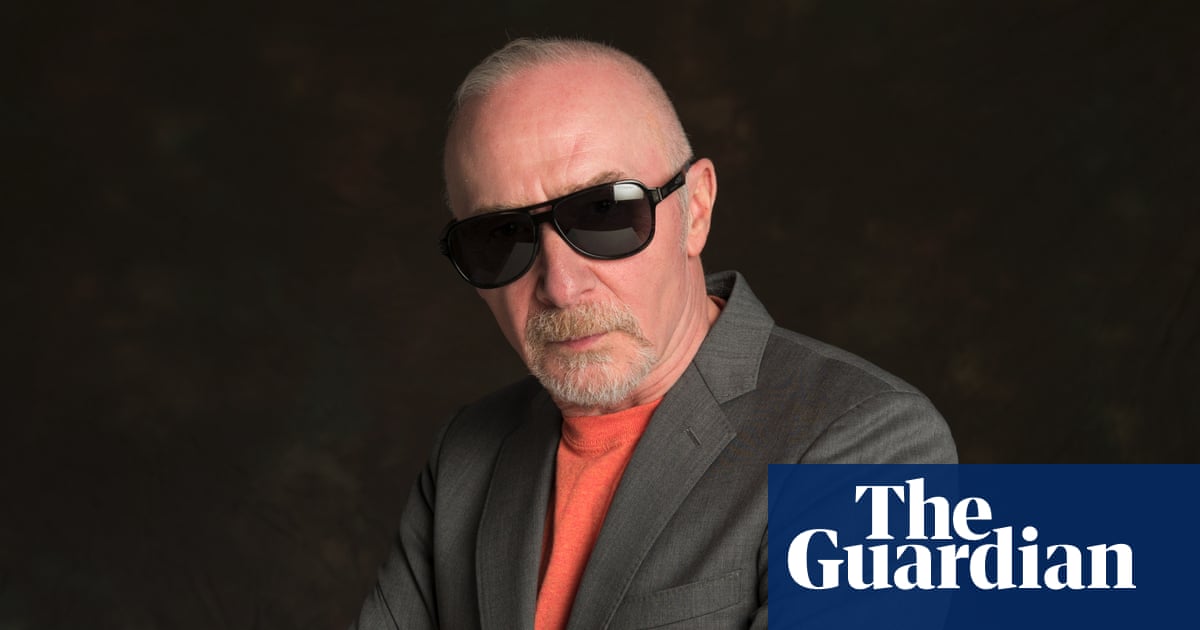
He was short and wiry, a former hippy who had taken himself off to Morocco in his teens and served time in a band called Terry Burbot’s Magic Mud: “My idea,” he sighs, “a burbot being a fish that I knew had become extinct in England because Angling Times offered £100 to anyone who could prove they’d caught one.” On returning, he went back home to Deepcut in Surrey, shorn of his “arse-length” hair, writing songs influenced not by prevalent trends (“I thought progressive rock needed to be destroyed thoroughly”), but the music he’d loved in his youth: Motown, soul, ska, “pop hits on the radio”. On today’s video call from his home in upstate New York, ahead of a UK tour, Parker’s eyes are shielded by tinted sunglasses. Decades ago, dark glasses were his permanent look, which helped give Parker the air of a man who was almost disproportionately angry, or at least a lot angrier than his songs suggested he was.
On Howlin’ Wind, he spat out the lyrics of Lady Doctor as if they were a ferocious broadside against the establishment, rather than about fancying a female GP. So I just went out and yelled.” The thing was, Parker didn’t seem to think his sudden rise to fame was at all unlikely. He may have looked a little incredulous in the photo of himself backstage with Dylan, but that was the exception.
I got an instant record deal, I was getting all this attention and none of these people who’d been slogging around the pubs for years were. I remember one of the early gigs we did, the great Ian Dury and his minder, Fred ‘Spider’ Rowe, standing in front of the stage wearing sunglasses, trying to put the mockers on me. I thought: I’m having a great effect here.
Extract — continue reading at the source.