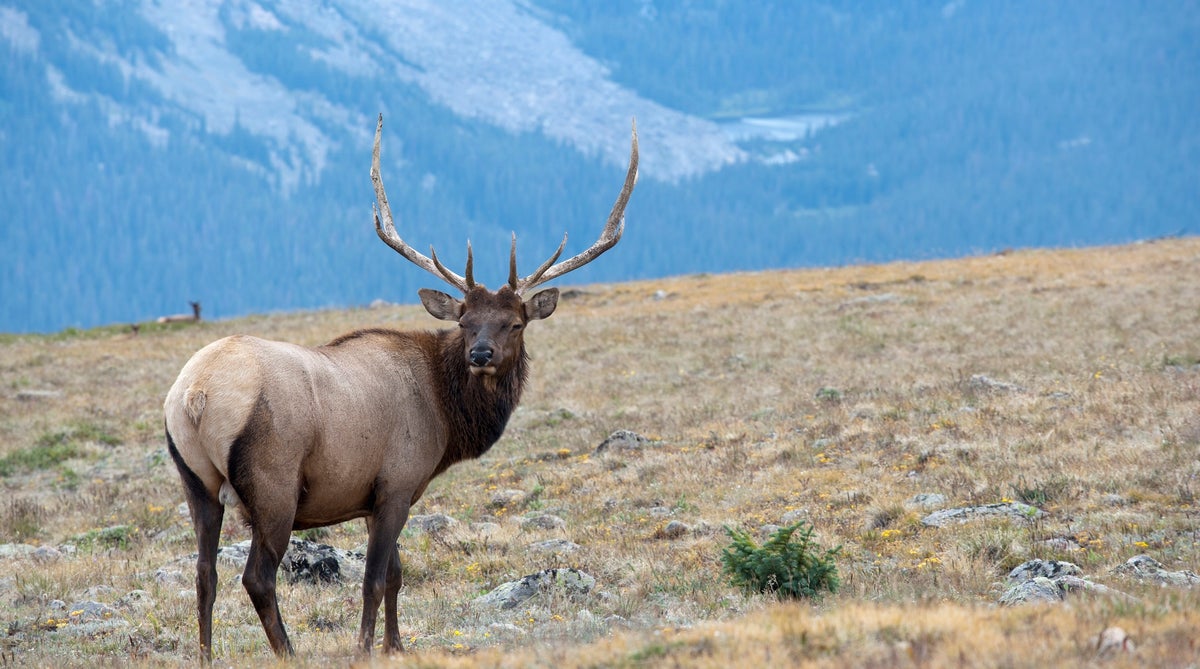
A bull elk stands in an alpine meadow in Colorado's Rocky Mountains. Colorado voters rejected Amendment 83, which would have established a constitutional right to hunt and fish and designated those activities as preferred methods of wildlife management. ( ) Trail access, hunting rights, and how to spend gear sales taxes are just a handful of the public lands topics Americans voted on during the November 3, 2026, midterm election. Colorado voters rejected a proposal to protect hunting and fishing in the state constitution, while Massachusetts approved a plan to use existing sporting-goods tax revenue for conservation.
Elsewhere, voters weighed in on funding for parks, wildfire prevention, protected open space, and public access to waterways. Here are seven election developments that could affect how Americans use the outdoors. Colorado voters rejected Amendment 83, an effort to establish a constitutional right to hunt, fish, and harvest wildlife using “traditional methods.” The amendment did not define what “traditional methods” meant.
However, if approved, Amendment 83 would have designated hunting and fishing as the state’s constitutionally preferred methods for managing game species. Rejecting Amendment 83 preserves the state’s current regulatory system, keeping wildlife policy decisions under the authority of the legislature and the Colorado Parks and Wildlife Commission. As of this publication, Colorado voters are still waiting on final counts for Proposition 137, a measure that would raise an estimated $175 million in annual conservation funding.
If approved, the decision would redirect existing sporting-goods sales tax money toward wildfire mitigation, watershed protection, wildlife habitat, state parks, and trail maintenance. Colorado limits how much tax money the state can keep, and it generally refunds any excess to taxpayers. Proposition 137 would also allow the state to keep sporting-goods tax revenue for conservation, which could mean smaller refunds in some years and less money for other state programs in others.
Official results have not been published yet. Outside will update this article accordingly. Massachusetts voters approved creating the Nature for All Fund, which would tap existing sales tax revenues from sporting goods, recreational vehicles, and golf courses.
The fund could receive up to $65 million a year to protect forests, waterways, and wildlife habitat, and to improve parks and trails. Any money left over at the end of the year would stay in the fund rather than return to the state’s general budget, and state lawmakers would still decide how much to spend each year. Charleston County voters in South Carolina backed extending a half-cent sales tax projected to generate up to $4.25 billion over 25 years.
Extract — continue reading at the source.