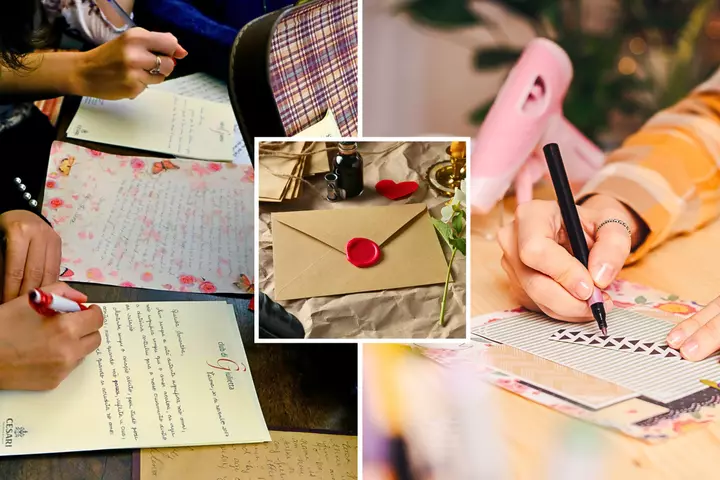
Gen Z's latest quest for quirky esthetics and offline fun has sparked the unlikely revival of snail mail clubs. The niche pastime has been taking over TikTok FYPs as Zoomers opt to make money and connections through the trend—but psychological experts say the whimsy-fused activity has real health benefits that should not be ignored. With digital communication instant, relentless and often exhausting, a growing number of young people are choosing something slower.
This is playing out in the building of paid snail mail clubs in which subscribers receive handwritten letters, themed correspondence and small trinkets through the post. What may appear to be a light and frothy throwback is also attracting attention from psychologists, who say the trend speaks to a deeper desire for meaningful connection. Taple, a clinical health psychologist, the appeal extends far beyond esthetics.
"The words we use have an immense impact on how we see ourselves, other people, and the world," Taple told Newsweek, referencing Acceptance and Commitment Therapy (ACT). "When you write by hand, you slow down and see the words you're choosing." That slowing down matters, she said. Handwriting encourages people to engage with their thoughts more deliberately and creates an opportunity for reflection that digital communication rarely affords.
Taple pointed to research suggesting handwriting activates a broader network of brain regions associated with movement, touch, vision and memory than typing, while studies have linked handwritten note-taking with modest improvements in learning and information retention. "Writing keeps us engaged in critical thinking," she summed up. But the benefits may not stop there.
Receiving a physical letter can also create a different emotional experience to reading a message notification. "Writing a letter can positively impact our emotions too," Taple said. "It's a tangible artifact.
This shows you that you are not alone which matters a lot for someone struggling with depression or anxiety. It's a different boost than social media, not an instant dopamine hit, but the surprise of finding a letter in the mailbox, an intermittent reward that's actually more powerful." In essence, snail mail is a slow letter delivery service in which a sender, often the organizer of a club, sends semiregular correspondence to subscribers or members. The affectionate term comes from the comparatively slow speed of physical mail compared with email and texting.
Extract — continue reading at the source.