Americans do not experience infrastructure through funding announcements. They experience it through whether the bridge opens, the highway improves, the water is safe, the housing gets built, and the train finally arrives. Yet our political conversation often treats securing money as the finish line.
Billions are announced, projects are celebrated, and communities are told transformation is coming. Then comes the harder part: actually delivering it. That distinction matters as America undertakes one of its most consequential periods of infrastructure investment in decades.
Money alone cannot repair a bridge or modernize a transit system. It must move through planning, environmental review, design, procurement, permitting, contracting, and construction before the public receives anything tangible. Each step serves a purpose.
But when the process becomes an obstacle to the outcome, Americans are right to ask whether the system itself needs attention. The cost of delay is not confined to a project spreadsheet. A bridge that remains unavailable changes commutes and freight routes.
A postponed water project leaves aging infrastructure operating longer. Delayed transit limits access to jobs, while stalled housing projects prolong shortages. Businesses make investment decisions around infrastructure that may not arrive when expected.
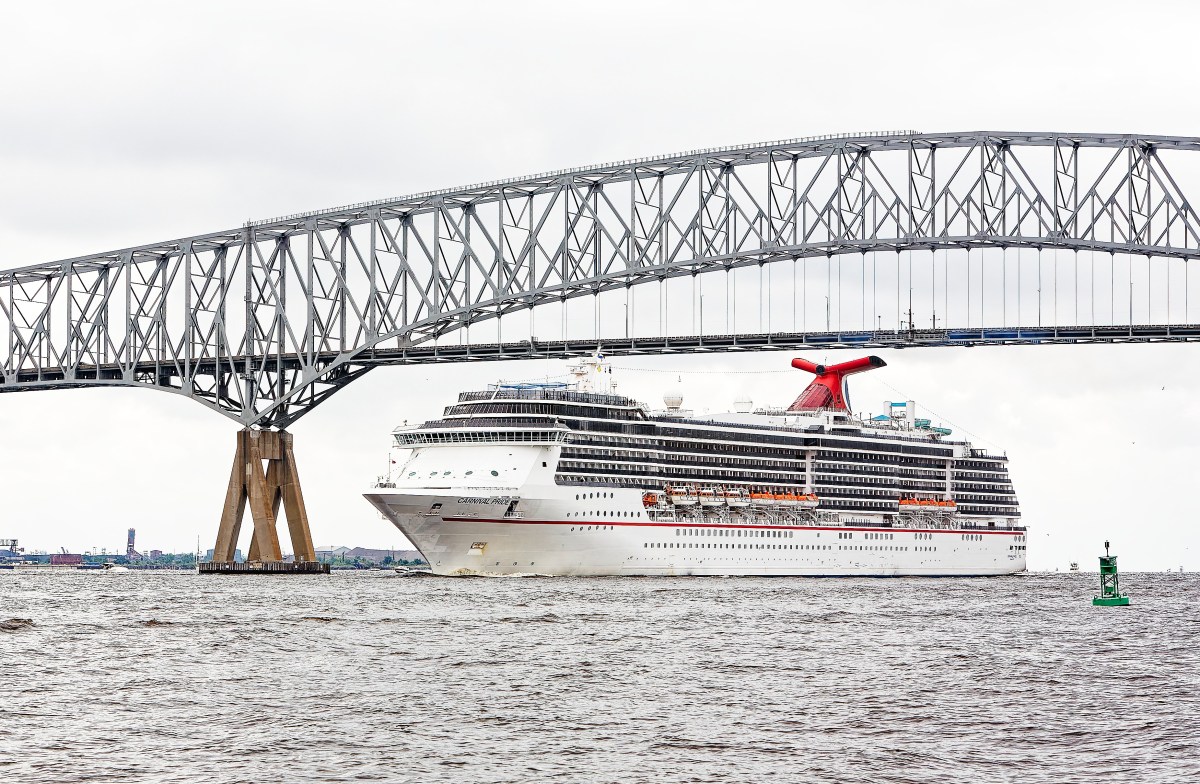
Every additional year can mean higher costs, deferred opportunity, and another reason for communities to doubt whether public promises will become reality. The reconstruction of Baltimore's Francis Scott Key Bridge shows how difficult that challenge can become. After the bridge collapsed in early 2024, rebuilding the critical transportation corridor became a national priority.
Extract — continue reading at the source.