Post-COVID Syndrome (PCS) presents with persistent symptoms such as fatigue, muscle weakness, and cognitive impairments, which often impact quality of life. This study determines handgrip strength (HGS) using a digital hand dynamometer as an objective measure of muscle function in PCS, aiming to assess its utility in symptom quantification and explore its relationship with endothelial dysfunction (ED) and inflammatory markers. In a cohort of 102 patients with PCS (77 women and 25 men), 62 of 101 classified patients (61.4%) fulfilled criteria for myalgic encephalomyelitis/chronic fatigue syndrome (ME/CFS).
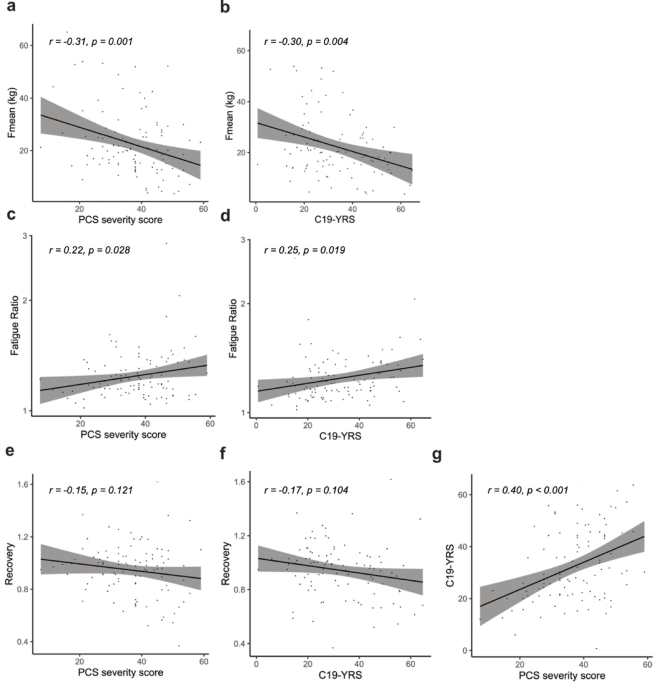
HGS parameters, including mean HGS, fatigability, and recovery, were assessed. Patients with ME/CFS exhibited lower mean HGS (p = 0.031), greater fatigability (p = 0.042), and poorer recovery (p = 0.048) compared with patients without ME/CFS. Furthermore, HGS parameters were significantly correlated with PCS severity and patient-reported outcome measures (including COVID-19 Yorkshire Rehabilitation Scale, PCS Severity Score and Fatigue Severity Scale).
A gender-specific analysis revealed associations between HGS and ferritin in males (r = 0.42, p = 0.036) and thrombocyte levels inversely related to muscle recovery (r = − 0.43, p = 0.030), potentially indicating microvascular compromise. Elevated intercellular adhesion molecule-1 (ICAM-1) levels were observed in patients with reduced recovery and VEGF was inversely correlated with fatigability in ME/CFS patients (r = − 0.26, p = 0.044), suggesting that ED is involved in PCS-related muscle dysfunction. Anti-S1 IgG titers correlated negatively with HGS in females (r = − 0.24, p = 0.040), suggesting a potential role of viral persistence in muscle impairment.
These findings underscore the role of HGS in PCS assessment, revealing phenotype- and gender-specific impairments and highlighting the need for further research into ED pathways and targeted rehabilitation strategies to enhance PCS management. In the aftermath of COVID-19, a considerable cohort of individuals continue to struggle with a complex array of symptoms, extending beyond the acute phase of the infection. This condition is recognized as Post-COVID Syndrome (PCS) or Long COVID1,2.
PCS is defined by the World Health Organization (WHO) as symptoms persisting for a minimum of two months within three months following a SARS-CoV-2 infection; these symptoms must affect daily functioning and cannot be explained by an alternative diagnosis3. With an estimated incidence of 10–20% and more than 651 million documented SARS-CoV-2 cases worldwide, PCS presents immense challenges to healthcare systems worldwide4,5,6,7. PCS is characterized by symptoms such as fatigue, myalgia, exertional intolerance, postexertional malaise (PEM), cognitive and autonomic dysfunction, and headaches1,8.
Within this spectrum, a large subset of patients meets the diagnostic criteria for postinfectious myalgic encephalomyelitis/chronic fatigue syndrome (ME/CFS)9,10. The prevalence of postinfectious ME/CFS was substantial even before the COVID-19 pandemic, affecting approximately 3 million individuals on the European continent. With the increased incidence of COVID-19, the emergence of ME/CFS after infection poses a considerable challenge for healthcare and society11.
Extract — continue reading at the source.


