Residents of Russia's Irkutsk region are deeply worried by rumours of a possible outbreak of pneumonic plague in this Siberian area. Speculation began to spread rapidly after the death of an employee of the Irkutsk Research Anti-Plague Institute. Darya Shipilova died in the early hours of 2 October in the intensive care unit of the district hospital in the town of Shelekhov.
According to local media, she broke a test tube containing the plague pathogen. The incident prompted authorities to introduce quarantine measures: around 200 people have been placed under strict medical observation. The outlet "Baikal People" (source in Russian) reports that several Irkutsk hospitals were immediately closed and placed under quarantine, due to last three weeks.
On Saturday, masks were made compulsory as a preventive measure at the Irkutsk aluminium plant in Shelekhov. Residents of Shelekhov have seen people on the streets wearing protective suits, masks and gloves. Local parents also say masks were handed out in kindergartens.
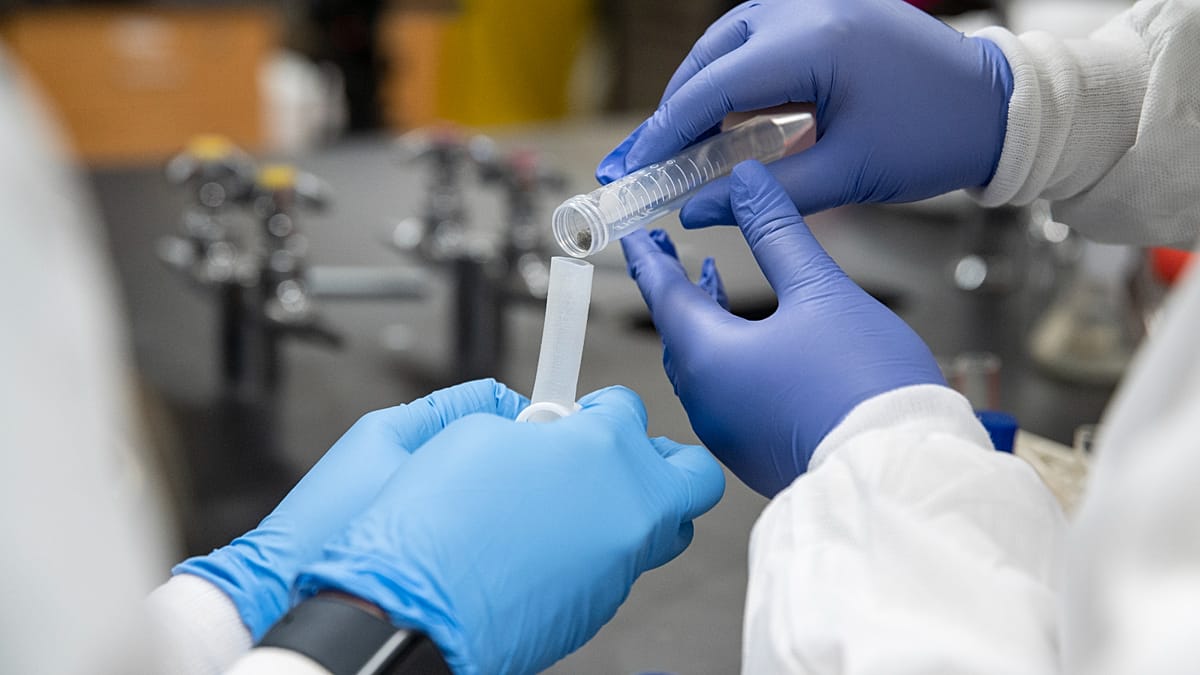
The deceased, a 28-year-old laboratory assistant, specialised in research on dangerous pathogens. According to the main account reported by her colleagues and independent media, on 25 September, while working with live biological material in the laboratory, she accidentally smashed a test tube containing the dangerous bacterium Yersinia pestis. Two days later Shipilova's condition suddenly worsened.
She was rushed to Shelekhov district hospital. At first doctors, unaware of what had happened, suspected a severe case of coronavirus and admitted her to a specialised Covid unit. However, the rapid deterioration and the clinical picture forced them to carry out rapid tests for highly dangerous infections.
The patient was put on a ventilator, but her life could not be saved. The pulmonary form of plague develops extremely fast and, without prompt and targeted antibiotic treatment, is almost invariably fatal. The authorities' immediate response underlined how serious the situation was.
Extract — continue reading at the source.