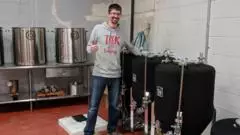
Wyoming mechanic and amateur moonshiner Geno Stecks proudly details the modifications he's made at his two-bedroom home to facilitate his hobby of distilling liquor in his own home. "I turned my dining room into my shining room," boasted the bearded 66-year-old, who uses a power drill fixed to a bowl to mix some of his recipe. Two years ago, he began tinkering with recipes for home-producing spirits.
The pastime has taught him new skills and given him a signature product to share with friends and neighbors - "coffee-flavoured shine". It also happens to be illegal under US law. "You know, keep quiet - don't make commercials or nothing," Stecks said.
But some home distillers hope they won't have to keep their hobby a secret for longer. The Supreme Court announced this week that it would reconsider the 1868 legislation forbidding the practice, and hobby distillers hope that their spirits will soon be treated like beer and wine, which are both legal to brew at home across the country. Plaintiffs who brought the cases say Congress overstepped its powers in restricting distilling for tax purposes during the Reconstruction era.
They want the highest judges in the country to agree. But lawyers for the government argue that Congress's measure was lawful, and necessary to stop producers from avoiding taxes. One lower court found the almost 160-year-old ban unconstitutional, but in a separate and similar case, another lower court came to the opposite conclusion.
The Supreme Court will hear the case early next year and could make a ruling in the summer of 2027. Currently, distilling alcohol in a private home carries a penalty of up to five years in prison, a $10,000 (£7,460) fine or both. "The particular law in question here is both absurd and unconstitutional," said lawyer Robert Alt, representing the plaintiffs.
"It's interesting to note that this is a hobby which is as American as apple pie - and certainly a lot older." Alt, Stecks and many proponents of the change point out that George Washington himself distilled spirits at home. Historian Daniel Pierce told the BBC that home distilling was first criminalised for revenue purposes, requiring anyone making spirits to pay a tax. When federal agents began enforcing the law, small farmers who were distilling on the side as a way to make some extra money or to barter were left with few options.
Extract — continue reading at the source.