Adre, Chad – Sahra remembers growing up in el-Geneina, the capital of Sudan’s West Darfur state, determined to outperform the boys in her class. After sitting her national examinations in 2005 and 2006, she decided she wanted to become a teacher. She volunteered in classrooms while pursuing a university degree, eventually specialising in education administration.
Then, in April 2023, war between the Sudanese Armed Forces (SAF) and the paramilitary Rapid Support Forces (RSF) tore apart the life she had built. The conflict has devastated Sudan, forcing millions of people from their homes. Chad, which shares a long border with Sudan to the east, has received a large share of those fleeing the fighting.
Sahra is now among nearly one million Sudanese refugees who have crossed into Chad, helping make it one of Africa’s largest refugee-hosting countries. In eastern Chad, thousands of families arrived to find little more than open ground and trees to shelter under. For many children, there was no school to return to.
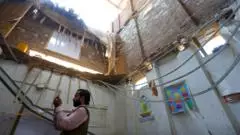
In 2024, Plan International and partner organisations established a primary school in one refugee camp. The school now has 1,059 pupils and 30 teachers – Sahra is the head teacher. Teachers, administrators and child welfare workers have been recruited from the refugee community, allowing people who fled Sudan to help provide services for families displaced alongside them.
Chad was already facing a serious education crisis before the latest influx of refugees from Sudan. More than two million young people cannot read or write, and, according to the United Nations Children’s Fund (UNICEF), three out of four pupils nationwide are taught by people whose own education ended at secondary school. The refugee influx has added pressure to an education system already short of classrooms, teachers and basic facilities.
Lessons cover mathematics, science, history, geography, Arabic and French. But teaching in exile comes with its own difficulties. Sudanese teachers have had to adjust to Chad’s curriculum while working across language differences.
Extract — continue reading at the source.