The 250th anniversary of the founding of the United States is the kind of milestone that forces the nation to look back and ahead—to consider yesterday and tomorrow. In the current environment where America is trying to make itself great again, there is the obvious question: Great for whom? Sadly, this anniversary pits discernment, critique, and learning past lessons against the frothing full-throated mantra of America First—the idea that the nation has only ever been great, regardless of the generations of people that have suffered enslavement, slaughter, and subjugation in its construction.
Given that I am of the first free-born generation of Black people, from my point of view, there has never been a time when America was fully great. We’ve only ever been on the steady march to achieve a more perfect union. Alongside criminal justice and so many other areas of American life, the long steady march is especially true in education for Black people.
American educational history is overflowing with abuse, segregation, substandard structures, and smoldering scorn. Our tortured contemporary education is a logical outgrowth of its origin story. The very first educational edicts for Black people in this country were the nineteenth-century anti-literacy laws that made it illegal to learn how to read and write.
Even saying that now, at the end of the first quarter of the twenty-first century, fuels a smoldering rage in me that just sits there like an internal spirit reminding me not to forget—it was against the law in America for Black people to learn to read and write. To be here, in and of this country when it is at war with its founding principles, is an opportunity to be a part of a real battle for its future. From then, through the seasons of rabid de jure school segregation, and ongoing de facto segregation today in places like Atlanta, where I live, and Brooklyn, where I’m from, the assault is ever-present.
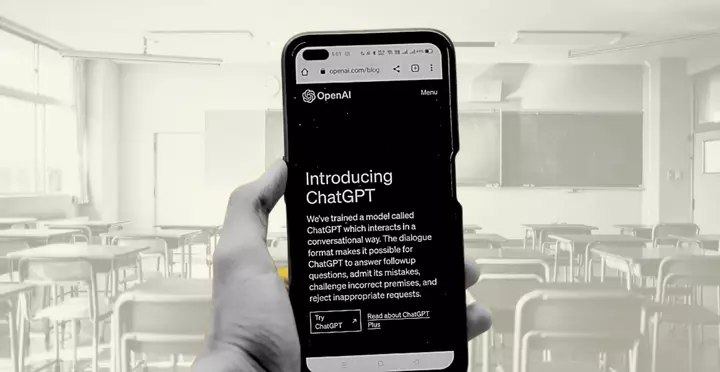
In some ways, it feels definitional to American education. That is how we recognize it—a perennial struggle to exorcise the ghosts of race that are embedded in its DNA, in the nearly fifty-five million individual students, teachers, staff, and district leaders that comprise American public education, and the history that has brought them all together. The national milestone introduces a convergence of technology and racial backlash in education that is unique to this moment in time.
Yes, tech tools have always been presented as catalytic—as tools that will push education ahead. Give everyone a calculator, and learning will be catalyzed. Give everyone a tablet, and learning will be catalyzed.
Extract — continue reading at the source.