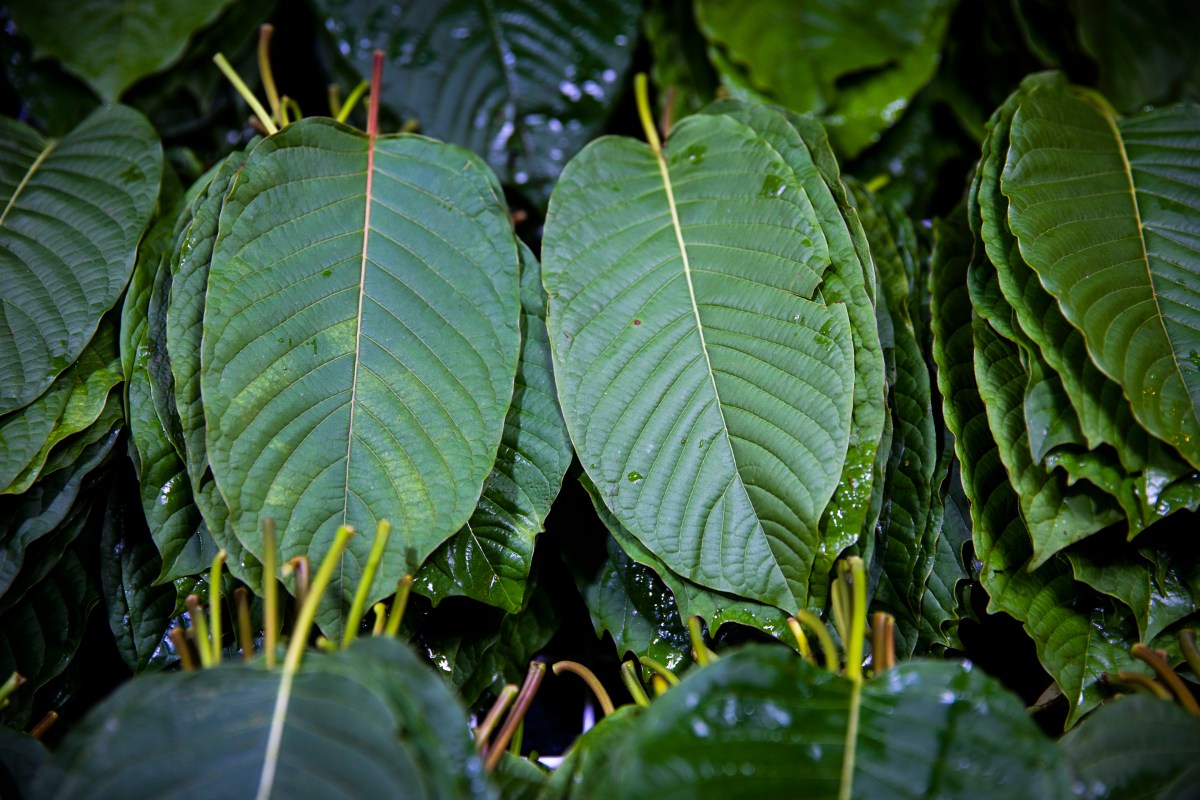
Local authorities said that kratom products were discovered in separate investigations into their deaths. Kratom, an herbal substance with opioid-like qualities and carrying a high risk of addiction, has not been directly linked to the deaths at this stage but is forming a part of the investigation. Investigators are working to determine how the 18- and 20-year-old students, whose identities have not been released to the public, died; one in a dorm, the other, off-campus.
Campus, local and state officials are expanding overdose prevention outreach and urging students not to speculate. Lafayette County, the home of the University of Mississippi, has had a local ban on kratom products since 2021. The county restricts their sale and use, even though Mississippi law generally permits kratom sales to people 21 and older; state law expressly preserves counties’ ability to maintain such local restrictions.
In 2025, kratom was linked to the death of a fitness coach named Tyler Wall, who had worked with MrBeast. Wall, 38, unexpectedly passed away during the production of a video titled: "Lose 100 LBs, Win $250,000!". Newsweek viewed a copy of Wall’s death certificate at the time.
His manner of death was listed as accidental, and the immediate cause of his death was "Mitragynine Toxicity." Mitragynine is an indole-based alkaloid. It is a main psychoactive constituent in the plant Mitragyna speciosa, commonly known as kratom. Kratom is a plant that originates from Southeast Asia.
Online, it is sold in powders, liquid shots, tea and pills. Some people have taken kratom to ease the symptoms of quitting opioid drugs while in withdrawal. Food and Drug Administration (FDA) has warned people not to use kratom, and the U.S.
Drug Enforcement Agency (DEA) describes it as a drug of concern. The Mayo Clinic says that kratom can be used in low doses as a stimulant, and in higher doses as a sedative. However, it describes kratom as unsafe and states that it carries a risk of addiction.
Extract — continue reading at the source.