The richest, most powerful people in a society don’t just materially control the lives of others. They also help determine what kinds of tastes are “good.” Looking at more than a century’s worth of data from the British Who’s Who guide, sociologists Sam Friedman and Aaron Reeves found distinct periods when this meant very different things. Who’s Who, which has been published annually since 1897, includes 0.05 percent of the UK population.
Half are chosen simply for holding a prominent position, such as Member of Parliament, CEO of a large company, or fellow of the British Academy. The other half are picked by a board of advisors, reflecting their reputation among those “in the know.” Friedman and Reeves looked at the guide’s open-response section for “recreations.” Because people’s long-term tastes typically stabilize in early adulthood, they organized their analysis around generational cohorts, based on the decade each entrant turned 20. Among the British elites who came of age in the second half of the nineteenth century, less than half listed any recreations at all, perhaps showing that leisure activities weren’t a terribly important part of self-presentation for this group.
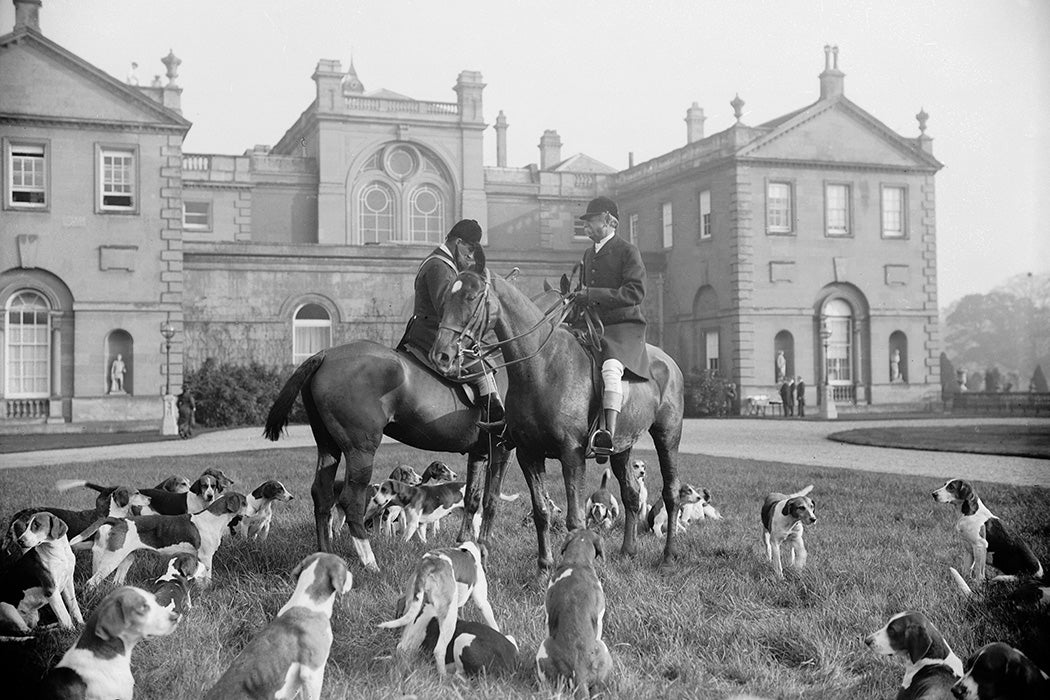
Most activities that were listed in this era, including hunting, fishing, golf, horse riding, and sailing, reflected an idealized version of rural life, carried out mostly by aristocrats at large country estates. In the early twentieth century, Who’s Who entrants increasingly came from the urban industrial capitalist class. And as the center of elite life moved to London, even members of the gentry shifted how they enjoyed themselves.
A particular influence in this era was the Bloomsbury Group, intellectuals and artists who based their self-conscious elitism on philosophical and aesthetic sophistication. Between the 1920s and 1940s, the Who’s Who elites developed the set of interests that would define “high culture,” such as music, reading, and “the arts.” Leisure activities also became a much bigger part of elites’ public self-presentation in this period—the percentage of entrants reporting on their recreations grew from about 40 percent of those who turned 20 in 1900 to 80 percent in 1950. In the postwar era, highbrow interests remained popular, but entrants increasingly also listed elements of mass culture.
Friedman and Reeves suggest that elites were engaging with pop culture in a way that showcased a deep familiarity and ability to recognize “quality.” An even bigger shift in recent generations has been a rise in mentions of activities like spending time with friends and family. Often, entrants include these alongside aristocratic and highbrow interests in a way that could reduce the appearance of snobbishness. For elites of all generations, this became increasingly common starting in the 1990s.
Friedman and Reeves suggest that it’s no coincidence that this was also a moment when the incomes of Britain’s top 1 percent began rising sharply in comparison with the rest of the country.
Extract — continue reading at the source.