As the USS George Washington aircraft carrier heads to the Middle East, expected to relieve sailors and Marines on the USS Abraham Lincoln, fresh scrutiny has fallen on living conditions aboard U.S. Navy ships—especially as the move will leave the U.S. without a single carrier deployed in Asia to stare down China. U.S. lawmakers have demanded answers about conditions on the Lincoln, after family members and text messages purportedly sent by those on board detailed plumbing problems, dipped morale, unreliable water supplies and food shortages.
The carrier has spent more than 200 days at sea without a port call and was scheduled to return to its home port of San Diego in May. But it was redirected from the Pacific to the Middle East ahead of the start of the Iran war on February 28, and its deployment has been repeatedly extended. Footage then emerged claiming to show mold growing around toilets aboard the Lincoln and pipes encrusted with dirt.
Navy told Newsweek it was looking into the images. In a separate incident, a guided-missile destroyer lost power in late July and spent several days floating in the South China Sea before it was towed to a port in the Philippines. Crew members aboard the USS Benfold didn't have access to toilets, air conditioning and other facilities during that time, and their supplies of drinking water were affected, said Commander Matthew Comer, a spokesperson for the U.S. 7th Fleet.
Meanwhile, the U.S. 5th Fleet, which is headquartered in Bahrain and covers vast chunks of the Middle East, was forced to deny reports on Sunday that feminine hygiene products had run low on the USS Boxer, an amphibious assault ship deployed in the Middle East. Amphibious assault ships are essentially small aircraft carriers for ferrying troops, helicopters and advanced fighter jets. The Navy, while powerful and spread across much of the globe, has been stretched by the months of conflict with Tehran, which followed strike campaigns and vast build-ups in Latin America.
The fast pace of U.S. military operations around the world comes after years of delays in U.S. shipyards building new vessels, ballooning costs and a shortage of skilled workers to carry out construction and maintenance. The reports plaguing multiple U.S. Navy ships, and the redeployment of the Washington—which was the only U.S.
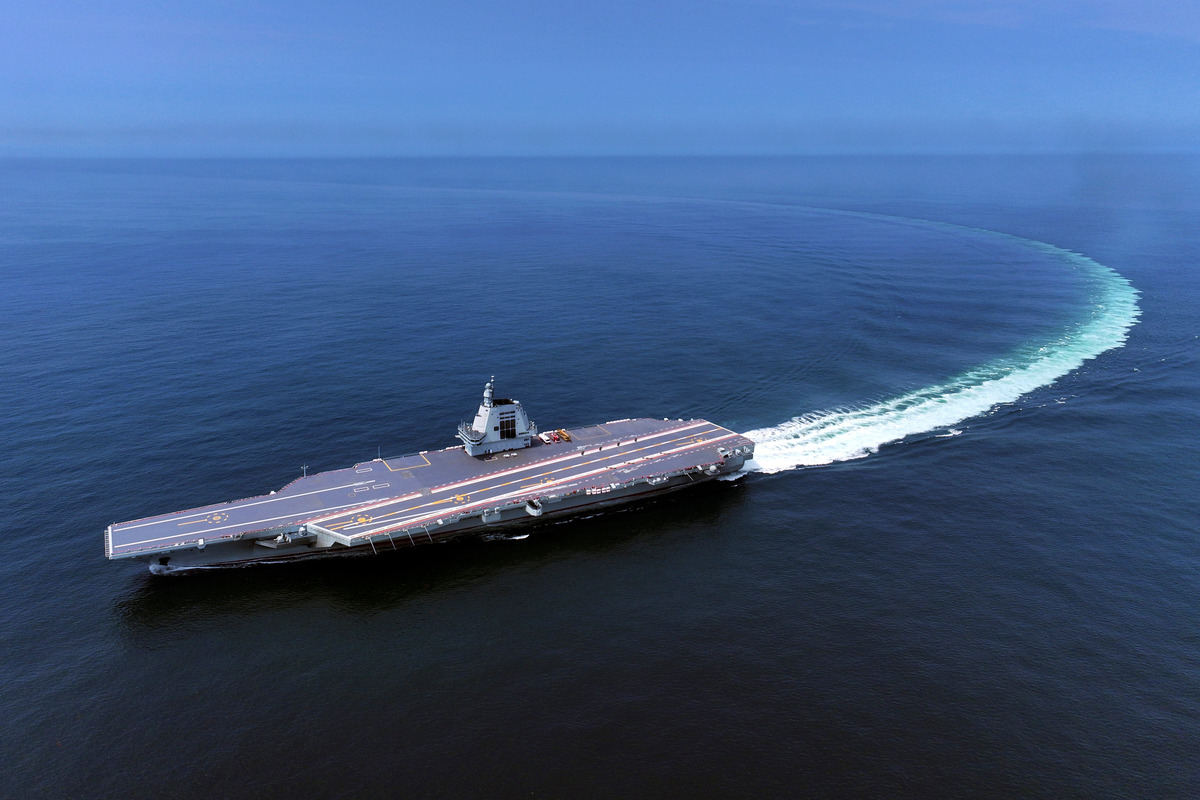
Navy aircraft carrier in the Pacific as part of U.S. efforts to show force and presence near China, come shortly after Beijing's navy became bigger than the total U.S. fleet, by number of ships. There's less open-source information available about conditions aboard Chinese warships compared with U.S. Chinese state media has described the inner workings of some of the country's naval vessels.
Extract — continue reading at the source.