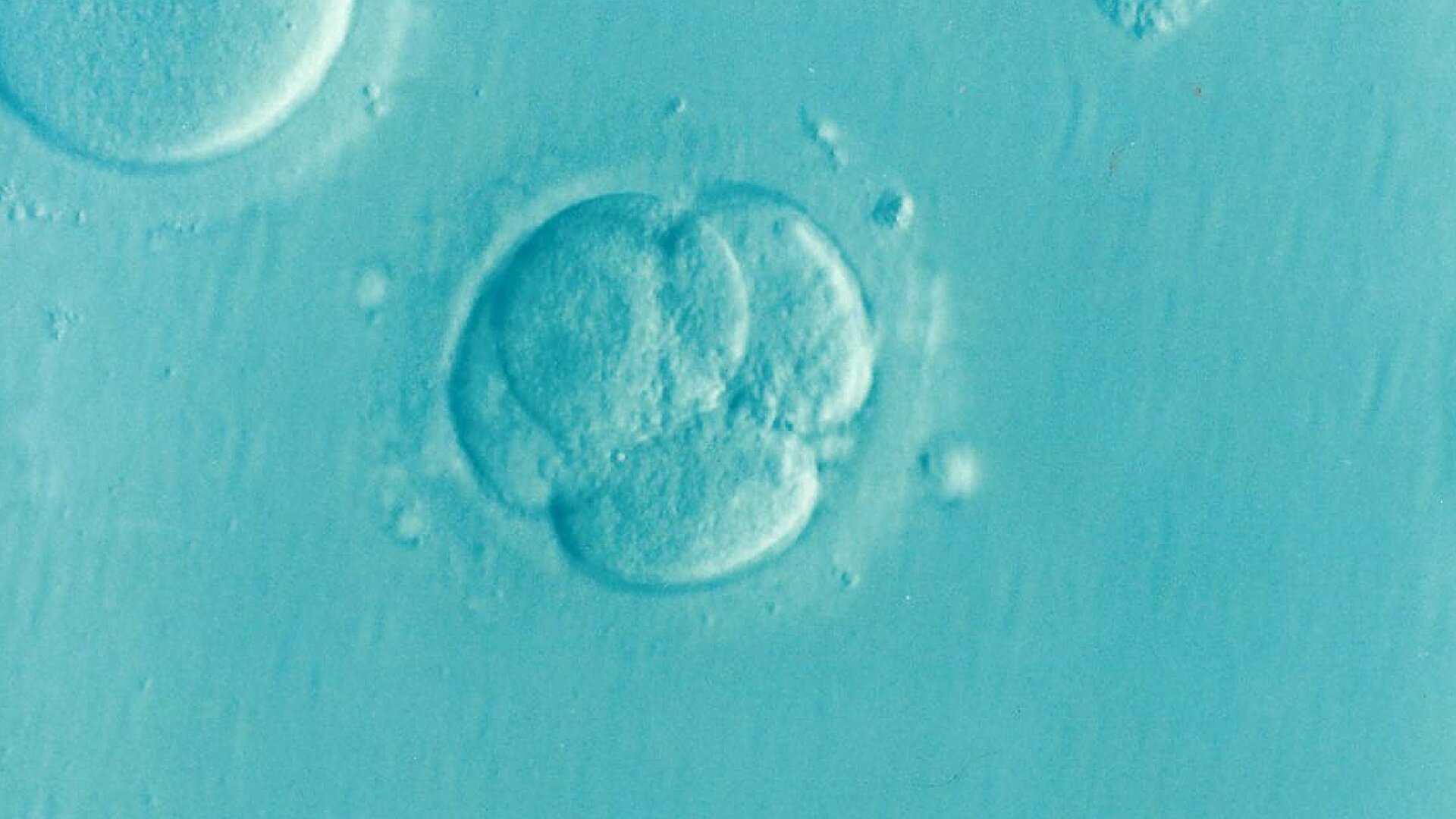
This article has been reviewed according to Science X's editorial process and policies. Editors have highlighted the following attributes while ensuring the content's credibility: A study by researchers at Columbia University Vagelos College of Physicians and Surgeons has found that new cutting-edge techniques can accurately edit genes in human embryos—giving scientists indispensable tools for understanding normal human development—but has also uncovered important risks that currently preclude the use of the techniques in the clinic. Editing the genome is an essential technique for scientists seeking to understand the genome.
Editing genes in human embryos allows us to understand the earliest steps of human development. Early human embryos accrue a surprising amount of DNA damage as they grow, and most human embryos made with IVF stop their development in the first few days. "By introducing such damage using editors, we are starting to understand how human embryos handle damage in their genomes.
In the long term, we hope to learn how to prevent genetic and developmental abnormalities during IVF to create more efficient, safer and more affordable fertility treatments," says Dieter Egli, the study's leader and associate professor of developmental cell biology in the Department of Pediatrics. In the study, published Sept. 9 in Nature, Egli's team used base editing—a more meticulous genetic editor than earlier techniques—to make changes in individual letters in the DNA of single-cell human embryos. They then followed each embryo's development for 6–7 days (a stage when IVF embryos can be implanted) to determine if the edit was made correctly and passed on to all cells in the embryo.
Remarkably, in some experiments, the editing was 100% successful and development was apparently normal. But the editing sometimes caused unpredictable changes and is not safe to use in the clinic. Editing human embryos has the potential to give people who carry disease-causing mutations an opportunity to have healthy children through IVF.
"But given our findings, it is currently not possible to do so safely," says Egli. "As a scientist, the first goal is to uncover new knowledge, which we hope will lead to new ways to help people. But identifying the risks is just as important because it draws the boundaries for meaningful use of a powerful technology.
I think our study will discourage inappropriate use of these techniques in the clinic because we clearly demonstrate the risks." About 10 years ago, Egli's lab first tried using CRISPR—then a relatively new technique—to edit a gene in early human embryos. CRISPR works like a pair of scissors to cut both strands of a cell's DNA in order to insert a new sequence. After the cut, CRISPR relies on the cell to glue the broken ends together.
Extract — continue reading at the source.


