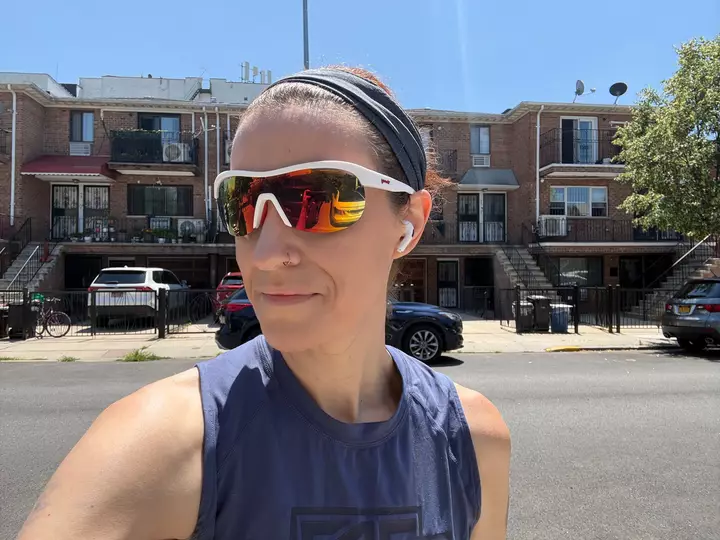
When I received my acceptance into my first-ever Boston Marathon, I hoped for every element of my training to go perfectly—speedwork, 20-milers, strength training, and everything in between. And, for a while, it all did. I hit my mileage goals, tackled my long runs, and incorporated quality workouts into my training, all with the hope of making it to the Boylston Street finish line feeling strong.
Then, I decided to push through a tough 18-mile long run during a busy work trip about six weeks out from Marathon Monday. I knew that I’d have no time to properly recover, refuel, and rest after the long run—but I completed the run anyway. That’s when my training plan started to go off the rails.
Nagging hip tendinitis popped up, and, in the days following, I couldn’t run without pain. I found myself sitting in the orthopedist’s office looking for answers. Not showing up for Boston was completely out of the question, and if the doctor said I could safely make it to the start line, my stubborn self would be there.
I wanted to experience everything that makes the Boston Marathon so iconic—Heartbreak Hill, the Wellesley Scream Tunnel, the turn by the firehouse onto Commonwealth Avenue, the “right on Hereford, left on Boylston”—and wanted to take advantage of that BQ I trained hard to snag in the first place. The doc gave me the all clear to continue training, but with one hitch: I needed to cross-train until the hip pain subsided and my tendinitis healed. So, for the final month of my Boston block, I traded my runs for hours spent on the elliptical.
I missed the peacefulness of my morning runs on the local trail, and especially my marathon-pace, adrenaline-filled long runs, but each time I got on the elliptical, I knew that I could still keep some semblance of fitness by staying consistent. In the last 10 days before the race, I finally added running back into my routine. 🏃🏻♀️ Learn how to balance running with complementary workouts that build strength and help prevent injuries in the Runner’s World Guide to Cross-Training. Now, was my first run from Hopkinton to downtown Boston perfect?
Far from it—of the four marathons I’ve completed, my finish time in Boston (my second-ever marathon) is the slowest performance I’ve had. But was it one of my favorite, most memorable races? I left Boston floored by the giant, screaming crowds of spectators that made even my toughest miles more enjoyable, and felt grateful that I had my dad cheering me on at numerous spots along the course.
Extract — continue reading at the source.