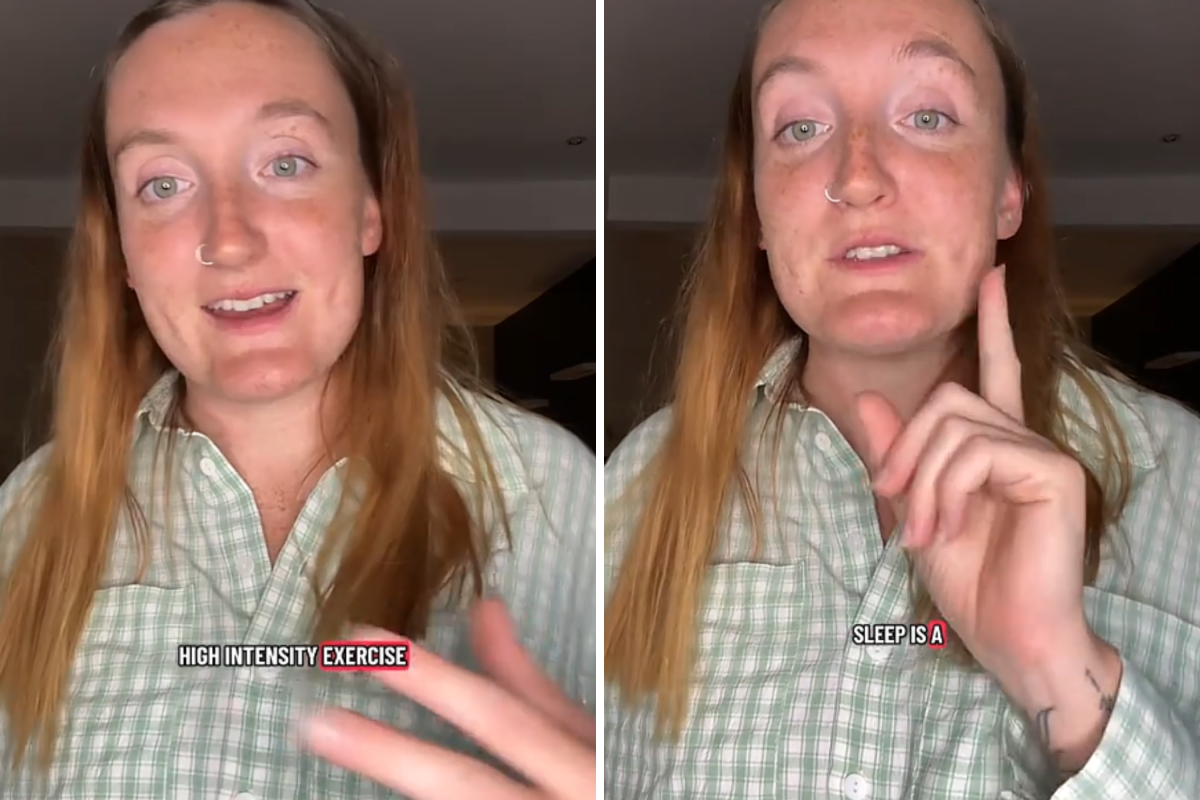
A fertility specialist has warned that some of the internet's most popular wellness habits could be doing more harm than good when it comes to women's health. Bethany MacLeod, 28, helps women understand their hormones and named the trends she believes women should think twice about adopting. She argued that many of these wellness practices marketed as healthy fail to account for the unique demands of the female body.
Her biggest concern is not any single trend, but what she described as a culture of "over-exercising combined with under-eating." MacLeod pointed to a growing body of research suggesting that when women consistently consume too little energy relative to the demands placed on their bodies, it can disrupt the hormonal signaling involved in ovulation and menstruation. At its most severe, this can contribute to functional hypothalamic amenorrhea, a condition in which periods stop because the body lacks the energy needed to support normal reproductive function. A 2021 study published in the journal Reproductive Medicine and Biology examined how low energy availability and metabolic disturbances affect female reproductive function.
It found that factors such as eating too little, excessive exercise, weight loss, and metabolic disorders can interfere with the hormones that control reproduction, particularly by reducing the release of gonadotropin-releasing hormone (GnRH). Another trend MacLeod is skeptical of is cold exposure, including cold plunges, cold showers and the growing popularity of iced drinks and smoothies. While she acknowledged evidence linking cold exposure to benefits in men, she questioned whether the same recommendations should automatically apply to women.
She pointed to animal studies that found repeated cold-water immersion was associated with changes in reproductive hormones and impaired fertility. A 2025 study in Frontiers in Genetics examined how cold exposure affects female reproductive health using female mice. The study found that cold exposure “may induce inflammatory responses in the uterus and ovaries,” potentially disrupting sex hormone regulation and impairing female reproductive capacity.
However, MacLeod stressed that these findings do not prove cold plunges cause infertility in women. MacLeod also criticized the growing popularity of highly restrictive eating plans, warning against unnecessary elimination of foods such as dairy and gluten, extreme calorie deficits and relying on large numbers of supplements without medical guidance. Instead, MacLeod encouraged women to prioritize warmth, nourishment and recovery, recommending cooked meals over cold foods where possible, eating enough nutrient-dense foods rather than restricting calories, and focusing on adequate rest instead of constantly pushing the body harder.
Extract — continue reading at the source.