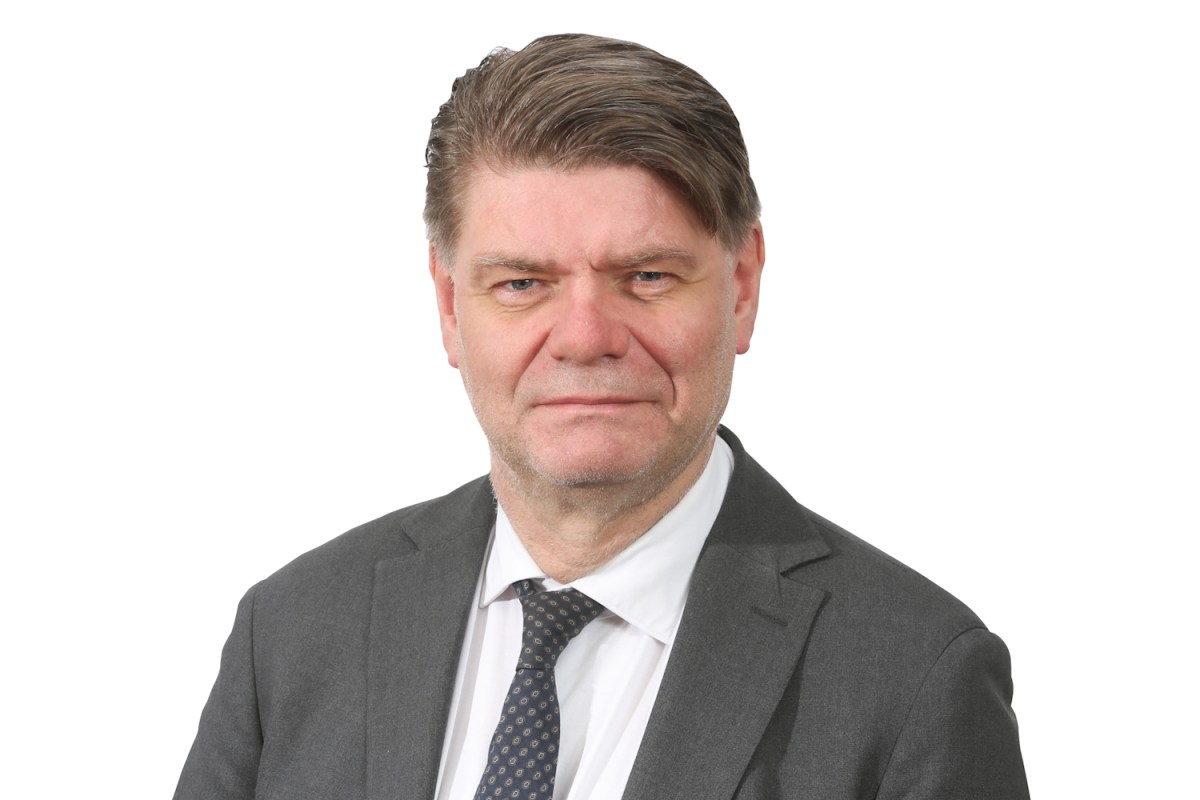
King Faisal Specialist Hospital & Research Centre in Riyadh is a major Saudi academic medical center focused on specialized and complex care. It combines clinical services with education and research, with strengths across areas such as oncology, organ transplantation, cardiac care, genomics, surgery and neurosciences. You have led major hospitals and health care systems internationally.
What has that experience taught you about what truly distinguishes a world-class hospital? It is always a moving target. I am a data person, so I do not say show me the money; I say show me the data.
If a hospital says it is excellent, it has to prove that through outcomes: how patients are doing, and how patients feel they are doing, not just what physicians say. The right measures vary by field. In cancer, where we are treating 25 percent of all cancer cases in Saudi Arabia, survivorship is central.
For someone having a hip replacement, it is about quality of life, recovery time, what they can do afterwards and whether they have complications. A world-class hospital has to embrace innovation and empower the teams closest to the patient. KFSH is aiming to become a global leader in highly specialized care.
What does that ambition mean in practical terms? Medicine has become so specialized that hospitals need to be clear about where they can make the greatest contribution. For us, that means focusing more deeply on tertiary and quaternary care.
Around 60 percent of what we do is now in that category, and our aim over the next two years is to reach 80 percent, comparable with other high-end hospitals. A lot has happened in Saudi health care over the past 20 years, much of it at King Faisal. But we have not always opened ourselves up to the international world or explained what we do.
Extract — continue reading at the source.