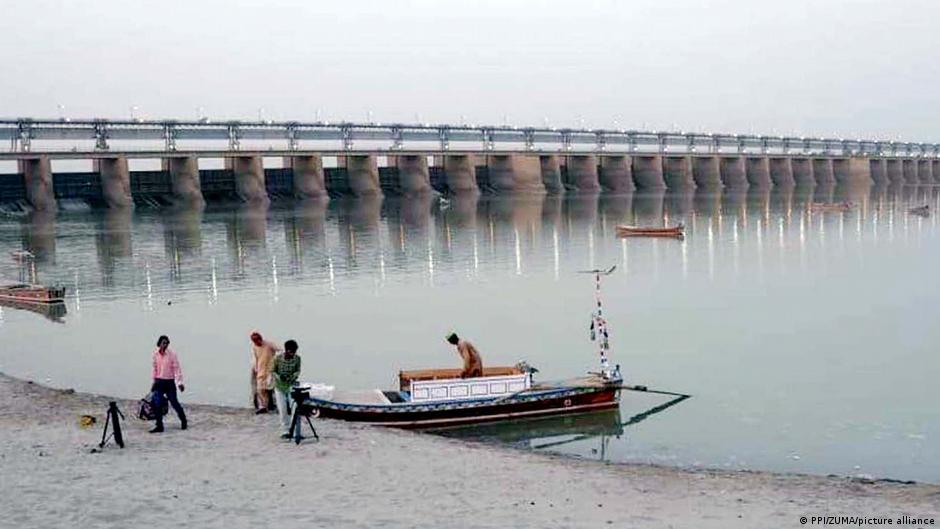
The Indus Waters Treaty is facing a fresh dispute after India rejected a Hague-based Court of Arbitration ruling that the 1960 agreement remains in force. Pakistan has welcomed the decision and says India remains bound by the treaty. India's Ministry of External Affairs described the tribunal as a "so-called Court of Arbitration" that was "illegally constituted." It said the body had been established by the World Bank in breach of the treaty and that India "categorically rejects its so-called award, just as it has firmly rejected all prior pronouncements by this illegally constituted body." "The Court of Arbitration has no jurisdiction whatsoever to pronounce on India's sovereign decisions," the ministry said.
The Indus Waters Treaty, brokered by the World Bank, governs the use of water from six rivers flowing through India and Pakistan. The agreement largely gives India rights over three eastern rivers while Pakistan has rights over the western Indus, Jhelum and Chenab. India is allowed to use the western rivers for specified purposes including certain hydroelectric projects.
To view this video please enable JavaScript, and consider upgrading to a web browser that supports HTML5 video The treaty had endured wars and prolonged periods of intense hostility between the two nuclear-armed neighbors. But India placed the treaty in abeyance in April 2025 as part of a package of diplomatic and economic measures announced after a deadly attack in India-administered Kashmir killed 26 people, mostly tourists. New Delhi accused Islamabad of backing the attack.
Pakistan denied the charges. Millions of people in Pakistan depend on the Indus, Jhelum and Chenab rivers for drinking water, farming and daily life. The rivers are particularly important to Punjab and Sindh provinces, whose agriculture is central to the country's food supply and rural economy.
After India's move to suspend the treaty, Pakistan approached the court in The Hague over the status of the accord. Pakistani officials have repeatedly warned that any attempt to deny the country its share of the waters of rivers flowing across the border would be treated as an act of war. Ajay Bisaria, a former Indian high commissioner to Pakistan, said India had challenged the treaty on both political and legal grounds.
"Politically, abeyance hands India a new point of leverage, one more lever to press Pakistan into changing its behavior on cross-border terrorism," Bisaria told DW. He also pointed to India's earlier requests to renegotiate the treaty, citing climate change, new dam-building technology and the deterioration of relations between the two countries. India chose to put the treaty in abeyance rather than formally abrogate it.
Extract — continue reading at the source.


