Maya Devi lives in an informal settlement on the outskirts of Delhi, a precarious life but one that nonetheless gave her a voice in the world’s biggest democracy—until now. She is among more than 130 million people who have been removed from India’s electoral rolls on various grounds, according to data released by the Election Commission. Those removals have prompted anger, accusations of foul play and a new surge of protests challenging Prime Minister Narendra Modi, the nationalist leader of the world’s most populous country.
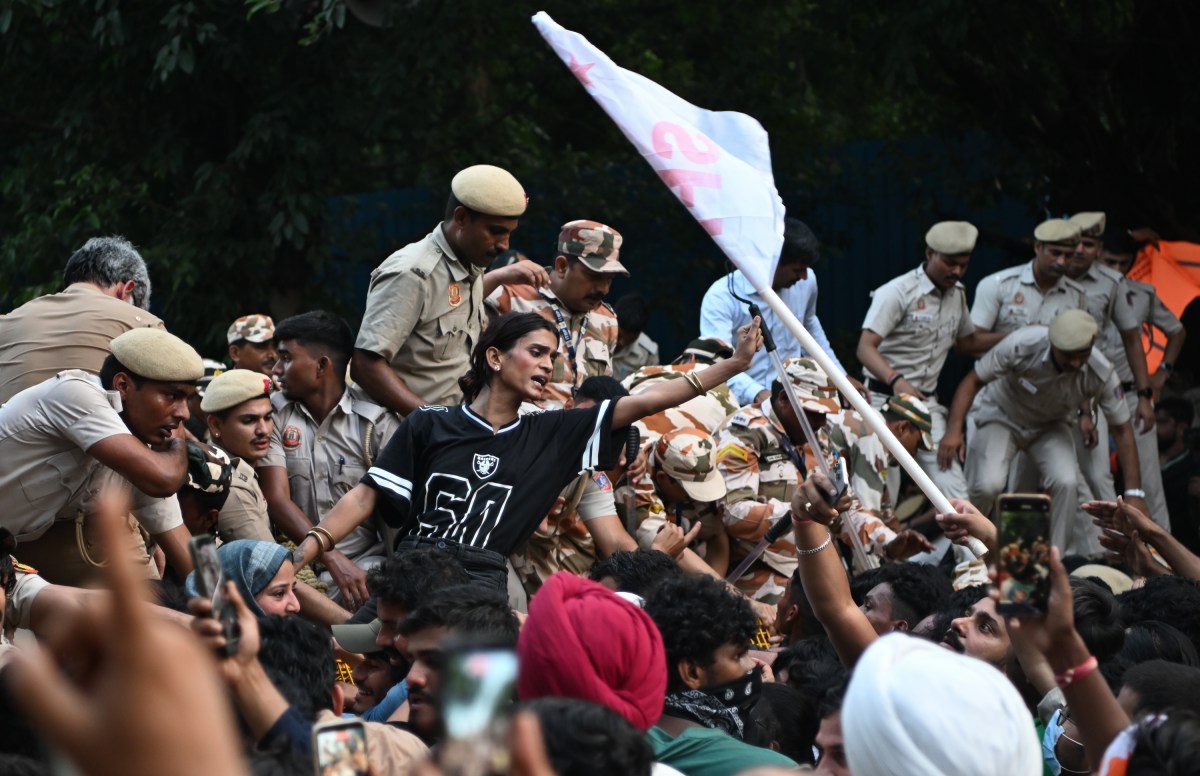
Leaders of the Cockroach Janta Party (CJP), a youth-led movement, were detained early Tuesday at a protest site where they chanting slogans to demand the resignation of the Chief Election Commissioner, Gyanesh Kumar. At the weekend, more than 2,400 protesters were temporarily detained. On Monday, opposition leaders marched to the Supreme Court seeking its intervention over the voter lists.
While voter rights are also a hot topic in the United States amid debate over who can vote, how and with what kind of identification, in the country of 1.4 billion people the fury is over the basic removal of names equivalent to the entire population of Mexico. The official position is that the names removed are of those who are dead, are duplicates, are absent from their homes, untraceable or have permanently moved. But opponents of the government say the changes could benefit Modi and his Hindu nationalist Bharatiya Janata Party.
I’m shocked,” Devi told Newsweek. All our names have been removed from the voter list… All of a sudden, this year officials came with a form and told us we were no longer on the list," she added. Critics accuse Kumar of overseeing a voter-list revision that risks disenfranchising eligible citizens.
The Election Commission and BJP deny allegations of political manipulation. BJP spokesperson Sudhanshu Trivedi said that the number of those removed did not include valid voters. The Election Commission said the figure referred to electors marked as absent, shifted, deceased or duplicate in the draft rolls, and did not represent the number of names deleted from the final electoral rolls, according to the Free Press Journal.
Newsweek contacted the government and Election Commission for comment. Hrishika Jain, a legal scholar, told Newsweek that the Special Intensive Revision (SIR), an exercise to verify and update India's electoral rolls, must be rolled back. She raised concerns about what happens to people who are removed from the rolls.
Extract — continue reading at the source.