Tehran, Iran – President Masoud Pezeshkian has insisted that officials and Iranians will stand united in the face of United States economic pressure, saying national cohesion was enough to “neutralise” any attempts to create discord within the country. The US announced an “Economic D-Day” against Tehran last month, the toughest sanctions regime in Washington’s history aimed at severing all economic lifelines that “sustain the Iranian regime and the Islamic Revolutionary Guard Corps (IRGC)”. Pezeshkian said the economic measures will not force his government to make any abrupt policy shifts, which might lead to further unrest in the country.
Pezeshkian was likely referring to events in 2019 and 2020, which began with protests against high fuel prices and unravelled into a wider antigovernment uprising. He did confirm that his administration will still double the price of one of three tiers of petrol quotas offered to private vehicles over the coming weeks and reduce monthly petrol quotas. Iran still faces critical energy supply shortages due to rampant fuel smuggling, severe damage or neglect of oil and gas infrastructure, and expensive yet low-quality, fuel-hungry vehicles.
But any wider petrol price hike would impact logistics costs and feed rampant inflation, which is affecting all Iranian households, the president has indicated. Iran’s national currency hit a new all-time low of more than 2.25 million rials per US dollar when Tehran’s market opened for the start of the working week on Saturday. Meanwhile, the ongoing military confrontation between Iran and the US, which has been a major catalyst for Tehran’s present economic decline, shows no sign of abating.
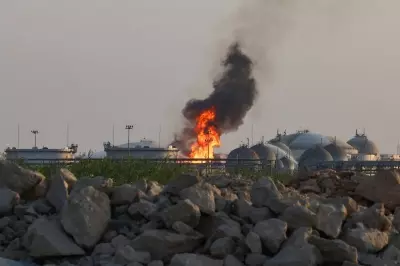
The US military bombed an oil tanker near Iran’s Kharg Island on Saturday, several days after another round of attacks on southern Iran and shipping in Hormuz. Washington has prevented Iranian tankers from leaving the country’s southern shores as part of its naval blockade to choke off crude exports. Iran’s government has said it will return to commitments under a memorandum of understanding signed between Washington and Tehran in June but that fell apart shortly after, if the US does the same.
The compounding pressures and rising public discontent have prompted news warnings from Iranian authorities about potential public unrest in recent weeks. At the end of August, the intelligence directorate of the Islamic Revolutionary Guard Corps (IRGC) claimed that the US, Israel and their Western allies have shifted towards “pressure from within” to compel protests from Iranians. Last week, judiciary chief Gholam-Hossein Mohseni-Ejei warned that his judges will prosecute those found to be damaging national security “more decisively than all previous eras”, as Iranian enemies seek to stoke unrest, he said.
Police chief Ahmad-Reza Radan also identified livelihoods, unemployment, the economy and petrol as possible “pretexts” for localised or nationwide protests. He ordered continuous monitoring and the readiness of forces under his control to prepare for unrest. The latest message attributed to Iran’s Supreme Leader Mojtaba Khamenei in late August also indicated a focus on national unity.
Extract — continue reading at the source.