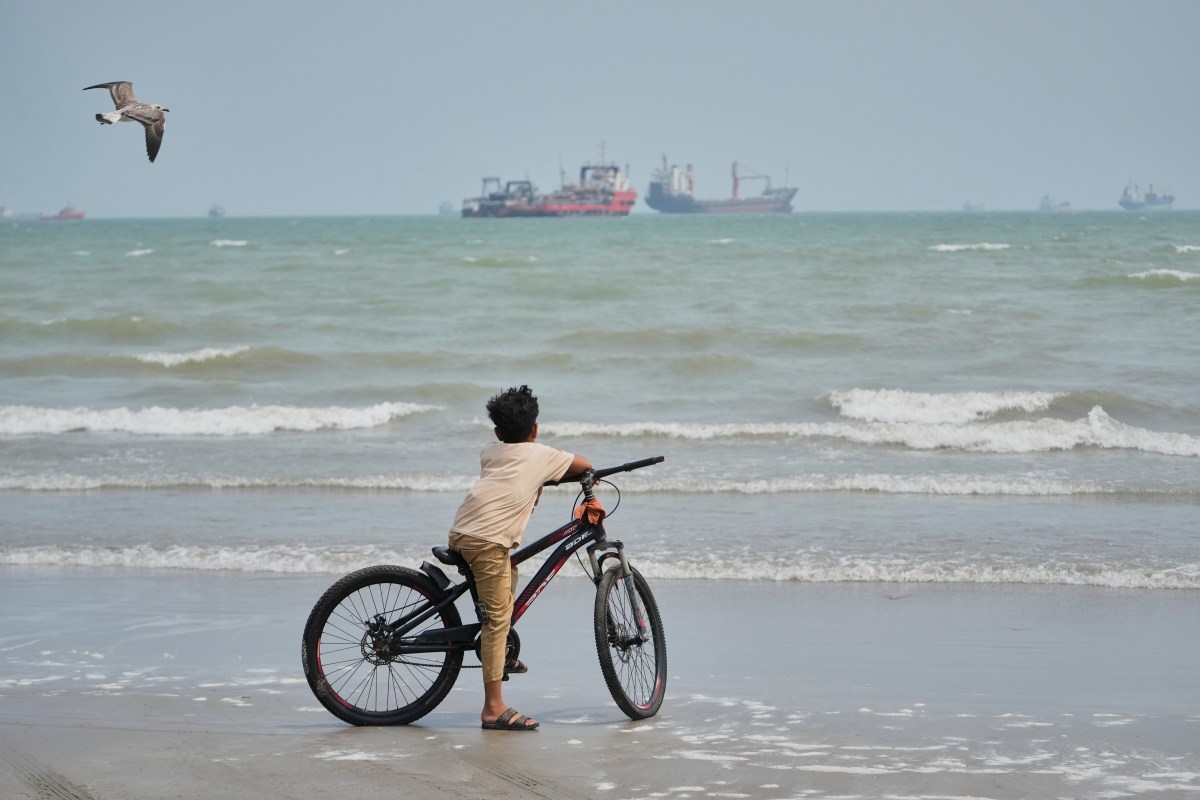
The U.S. military said it has redirected 100 commercial vessels over the past 60 days while enforcing a maritime blockade against Iran, underscoring the high-stakes security dynamic in the critical Strait of Hormuz. In a statement released Saturday, U.S. Central Command (CENTCOM) reported that "ZERO ships have passed through the blockade without U.S. forces allowing" them, emphasizing that American service members remain "laser focused" on the ongoing mission.
The disclosure highlights the breadth of U.S. naval operations in the region as diplomatic efforts to stabilize the vital waterway remain stalled. Newsweek contacted CENTCOM on Saturday for additional details regarding the rerouted vessels. The conflict between the U.S. and Iran, which erupted in late February, has turned the Strait of Hormuz into a primary global flashpoint.
The narrow corridor handles a substantial portion of the world's petroleum and natural gas transit, making any disruption a threat to international energy markets, supply chains, and broader economic stability. CENTCOM's update reflects the logistical and tactical scale required to maintain maritime control amid the ongoing confrontation. The military reiterated that all commercial traffic navigating the blockade zone does so strictly under U.S. authorization.
The development coincides with the Trump administration's broader maximum-pressure strategy against Tehran, which combines military enforcement with economic sanctions aimed at curbing Iran's oil exports and regional influence. According to , an Iranian official said no formal agreement on shipping through the Strait of Hormuz is expected to be signed during a meeting in Oman on Monday, despite ongoing discussions involving regional stakeholders. While negotiations are continuing, officials don't expect an immediate deal that would resolve the security concerns surrounding commercial shipping, reported.
The lack of an expected agreement suggests uncertainty could continue in the coming weeks, even as regional governments seek ways to reduce tensions and restore confidence in maritime traffic through the waterway. Meanwhile, security concerns remain elevated. Recent weeks have included reports of attacks on commercial shipping, military strikes and competing claims from Washington and Tehran over who controls access to the strait.
U.S. officials say the mission is intended to protect maritime commerce, while Iran has condemned the blockade and argued it interferes with lawful trade and navigation. Iran has pushed back against the U.S.-led maritime operation, arguing that security in the Strait of Hormuz should be managed by countries in the region rather than outside powers. Speaking to Al Jazeera, Iranian Foreign Ministry spokesperson Ismail Baghaei said Iran and Oman plan to brief Gulf countries during Monday's meeting on the results of consultations concerning the safe passage of ships through the strategically important waterway.
Extract — continue reading at the source.