The Republic of Ireland and Israel will face each other for a second time in eight days on Sunday in a UEFA Nations League match that arrives amid continuing controversy tied to the war in Gaza. Their first meeting, a 3-0 Ireland victory last Sunday, drew international attention as political tensions spilled into the match. Calls by some Irish politicians and activists to boycott the match, pregame protests by Irish players, and pointed post-match comments from both sides ensured the fallout continued long after the final whistle.
The teams first met in Hungary last Sunday. As part of the Nations League's home-and-away format, they are scheduled to play twice. They are now set to face each other again in Serbia for Ireland's designated home game after the Football Association of Ireland (FAI) declined to stage the match in Ireland, citing security and operational concerns.
Israel has meanwhile been staging international matches outside its own country since the start of the conflict, with many recent games held in Hungary. The controversy surrounding Ireland's matches against Israel predates either team's arrival for this month's international games. The war began after Hamas, a Palestinian militant group, attacked Israel on October 7, 2023, and has since become a source of political controversy across Europe.
Ireland has been among the countries most critical of Israel's subsequent military campaign in Gaza. The conflict has increasingly spilled into sports and entertainment, prompting debates over athlete activism, public protests and Israel's participation in international competition. Pressure mounted on the FAI after the two countries were drawn together in the Nations League, a UEFA competition that includes Israel, a member of European soccer's governing body since the 1990s.
More than 160 Irish sports figures signed an open letter urging Ireland not to play the games, while activists organized protests under the banner "Stop the Game." The debate also prompted the withdrawal of Ireland goalkeeper Gavin Bazunu, who said he believed participating would be wrong given the conflict. FAI chief executive David Courell said a significant majority of Ireland's players voted to play the scheduled matches after internal discussions before last weekend's game. Political tensions have also shaped the controversy.
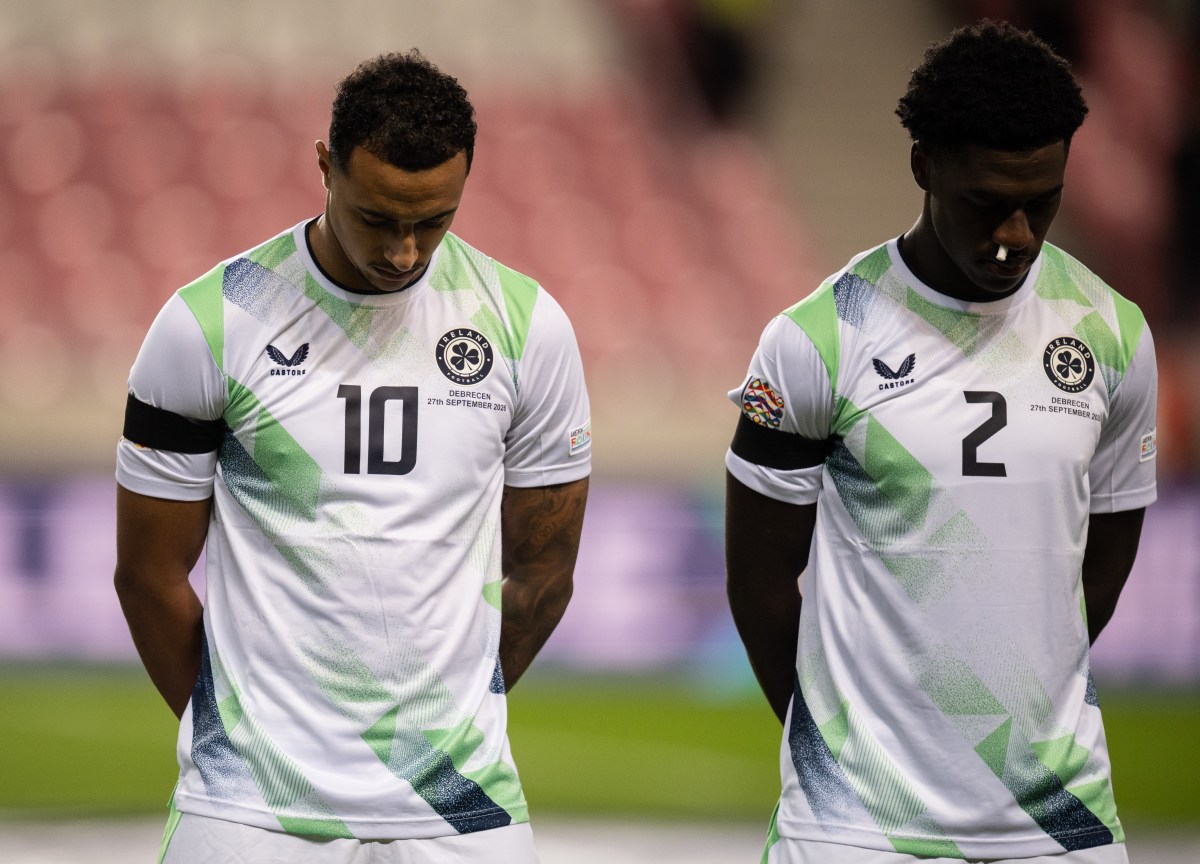
Ireland's government has been sharply critical of Israel's conduct in Gaza, while the FAI previously voted to ask UEFA to suspend Israel's national team and clubs from European competitions. The controversy was evident before a ball was kicked during the teams' first meeting in Debrecen, Hungary. Irish players bowed their heads during Israel's national anthem in a silent protest tied to the conflict in Gaza and wore black armbands before kickoff.
Extract — continue reading at the source.