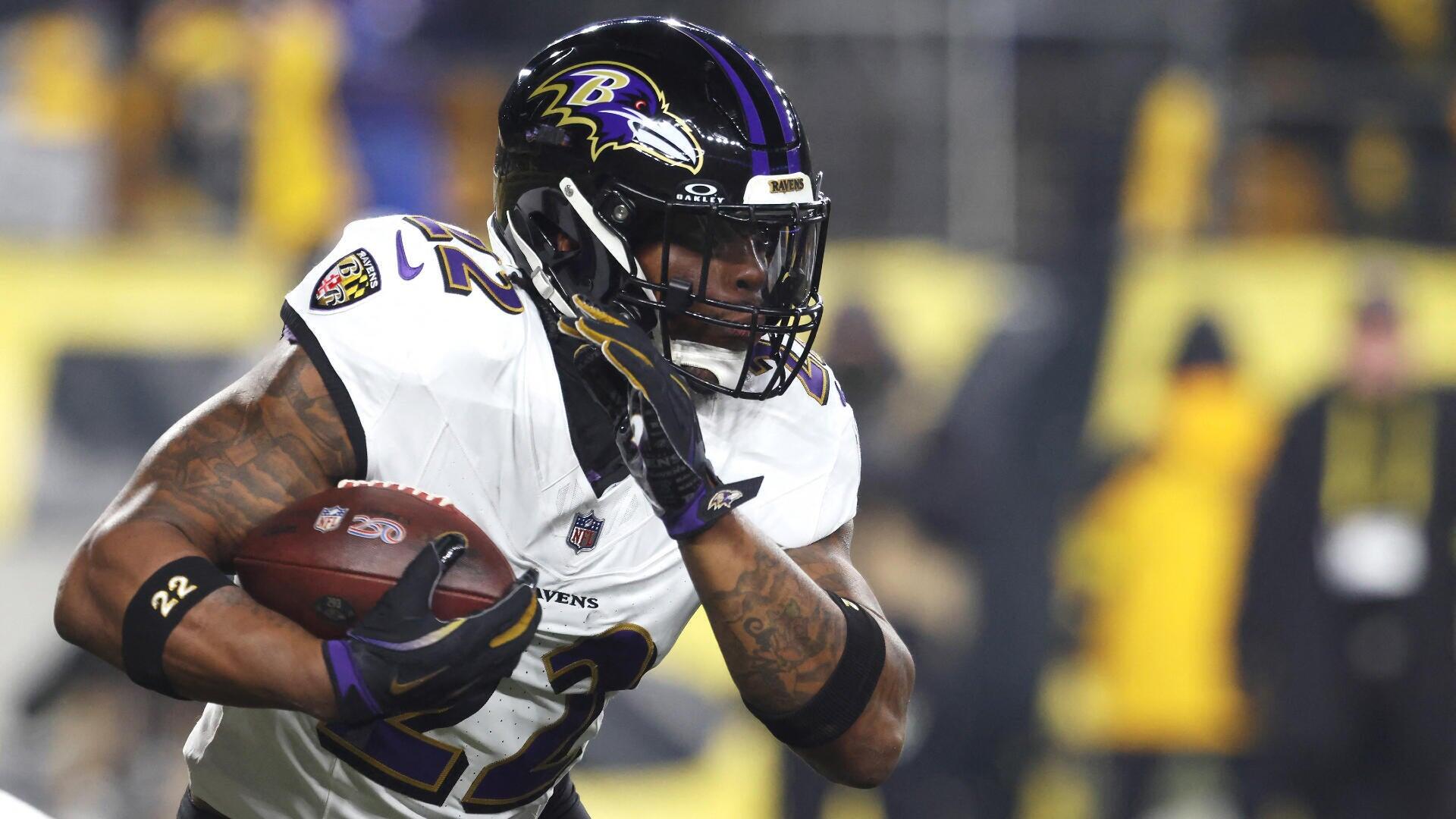
It's become a trend in recent years to avoid running backs on Draft Day and focus on wide receivers. Receivers are generally considered to be safer based on health, along with the volatility of the running back position given the amount of tandems and committees around the league. But as defenses have tried to take away big plays in the passing game, we've seen more teams become reliant on the run game in recent years.
For example, in 2021 there were 17 teams that averaged at least 26 rushing attempts per game. That number jumped to 21 teams in 2025. It's not a huge leap, but it does show run games making a resurgence in the NFL -- and for Fantasy managers.
It's OK to lean into running backs once again. With that in mind, you should go into your Fantasy draft with a plan of when to select your running backs. My favorite strategy in half-PPR remains Hero-RB -- drafting one running back in the first two or three rounds and then attacking the position with mid-round picks -- but I'm not opposed to starting RB-RB depending on your draft spot.
I don't love Zero-RB this season, but it can still work. You just have to know when to start drafting your running backs. And that's where tiers come into play.
These are running back tiers you can follow on Draft Day, and they are a better guide than just going down a rank list. I'll tell you the round range for these running backs, as well as some stats of note, and this blueprint should help you dominate your league. With David Montgomery gone, Gibbs could be amazing for Detroit and Fantasy managers.
Over the past three seasons, Montgomery missed six games due to injury, and Gibbs scored at least 21.5 half-PPR points in five of them. When Montgomery missed three games in 2024 due to a knee injury, Gibbs averaged 29.1 half-PPR points over that span. Gibbs could break Fantasy this year.
Extract — continue reading at the source.