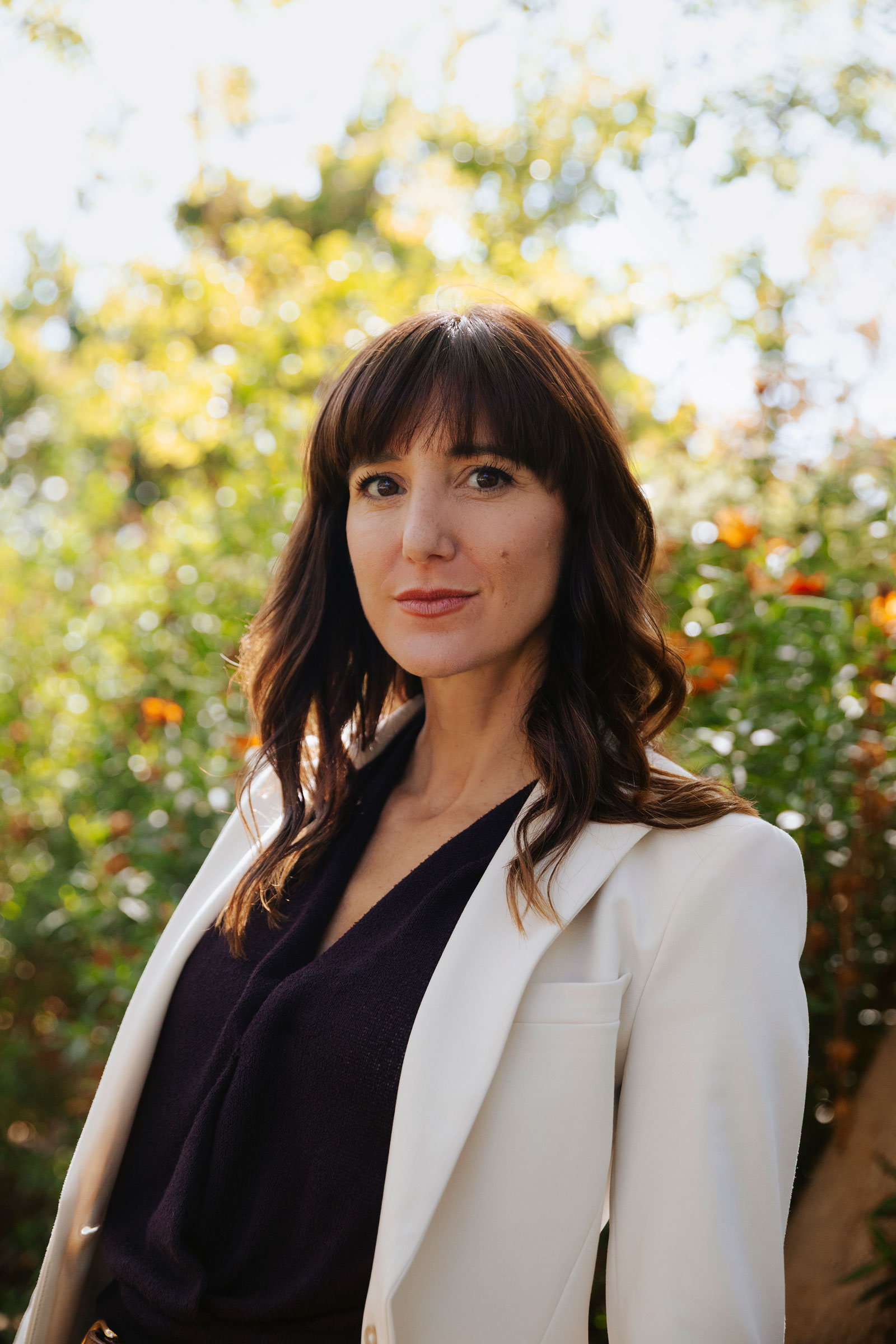
As executive director of the XPRIZE Healthspan competition, Jamie Justice oversees a professional science fair for cutting-edge longevity science around the world. With her team of more than a dozen judges, Justice, a gerontology researcher, has spent the past several years soliciting and then reviewing applications from the world’s best scientific minds, looking for the most exciting ideas on how to live longer, better. In July, the judges narrowed the submissions down to 10 teams, then gave them each $1 million to start advanced testing of their ideas over the next four years.
A winner will be chosen in 2030. Justice became enamored with the scientific process of asking questions, testing theories, failing, and trying again after spending her graduate school years studying endurance athletes. An ultramarathon runner herself, she was exploring fatigue when she was lured into the broader question of aging and why the body starts to break down.
It was a very rich scientific opportunity.” Justice led a gerontology lab at Wake Forest University before being recruited to lead XPRIZE Healthspan when it was created in 2023 by tech entrepreneur and physician Peter Diamandis to make sense of the cacophony of voices in the field. Not surprisingly, efforts to understand how people can live better while living longer entice everyone from scientists parsing the biology of aging to entrepreneurs eager to cash in by hawking supplements, infusions, and services that aren’t necessarily supported by evidence. The 10 finalists, announced on August 11, include teams from China, Japan, South Korea, and the U.S., exploring everything from repurposed drugs to novel compounds and stem cell-derived approaches that have all met XPRIZE’s strict criteria of having early scientific data demonstrating that their approach would have an impact on extending lives in not just animals but in people as well.
Teams from Japan focused on an age-addressing strategy popular in Asia now: supplements that use exosomes, tiny vesicles that deliver enzymes, proteins, lipids, and other compounds that are important for keeping cells healthy. One team earned the funding prize by providing exosomes from parsley that, in a small group of people, seem to improve how cells communicate and lower signs of aging, including inflammation. Another uses the latest stem cell technology to generate exosomes made from human cells.
The U.S. team focused on a combination of more traditional strategies, including exercise and supplements. Now, the teams will continue to test and refine their strategies, and compete for the $81 million grand prize, which will be awarded to the team showing the strongest clinical benefits in improving muscle, immune and cognitive functions. This, says Justice, is where the fun really begins, as innovative ideas are stress tested and the ones that prove themselves embark on the exciting journey of potentially providing at least one way to live well for longer.
Extract — continue reading at the source.