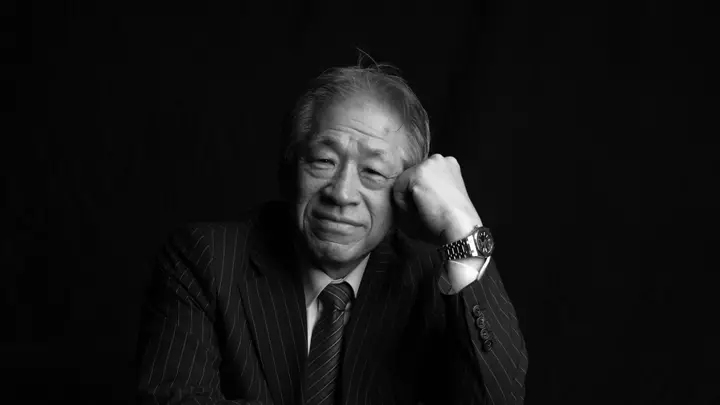
Japan’s entertainment business has to adopt the model that made Hollywood studios global players if the country wants to reach its content export targets, according to Shiina Yasushi, CEO of TIFFCOM, the Tokyo International Film Festival‘s content market now heading into its 23rd edition. The Japanese government has set a target of JPY20 trillion ($126.6 billion) in overseas content sales by 2033, and expects anime to bring in JPY6 trillion ($38 billion) of that. Shiina argues that looking abroad won’t be enough without a change in how Japanese companies operate.
Going forward, companies should retain ownership of their IP, be actively involved in international distribution, and maximize the revenue generated from their properties,” Shiina tells Variety. He points out that Hollywood studios reached global scale by setting up their own distribution operations country by country and dealing with each market directly. Japan should take the same route, he says.
With that base in place, a property can then be spread across film, games, streaming and merchandise. Shiina sees this as the shift to the “IP-driven industry” the government has called for. Japanese companies have begun rethinking how they handle IP.
TBS is working with Legendary Entertainment, Nippon TV is expanding internationally and publishers are looking at overseas adaptations. Shiina says a fundamental shift is under way. Talent agencies have also started paying attention to IP, he adds, because the IP a performer worked on can live on long after they retire.
According to Shiina, the market itself has changed most in who attends. TIFFCOM used to be mainly a place where international sales agents traded finished content. Once producers arrived, it became a more creative market.
Streamers now attend next to film and TV companies, and the IP holders on the floor include anime studios, publishers, game companies and toy makers. The Tokyo Gap-Financing Market (TGFM) is now big enough to build programs around specific regions and genres, Shiina says. Alongside its Asian focus, it has a collaboration with Italy and, this year, a partnership with Canada’s genre outfit Frontières.
Extract — continue reading at the source.