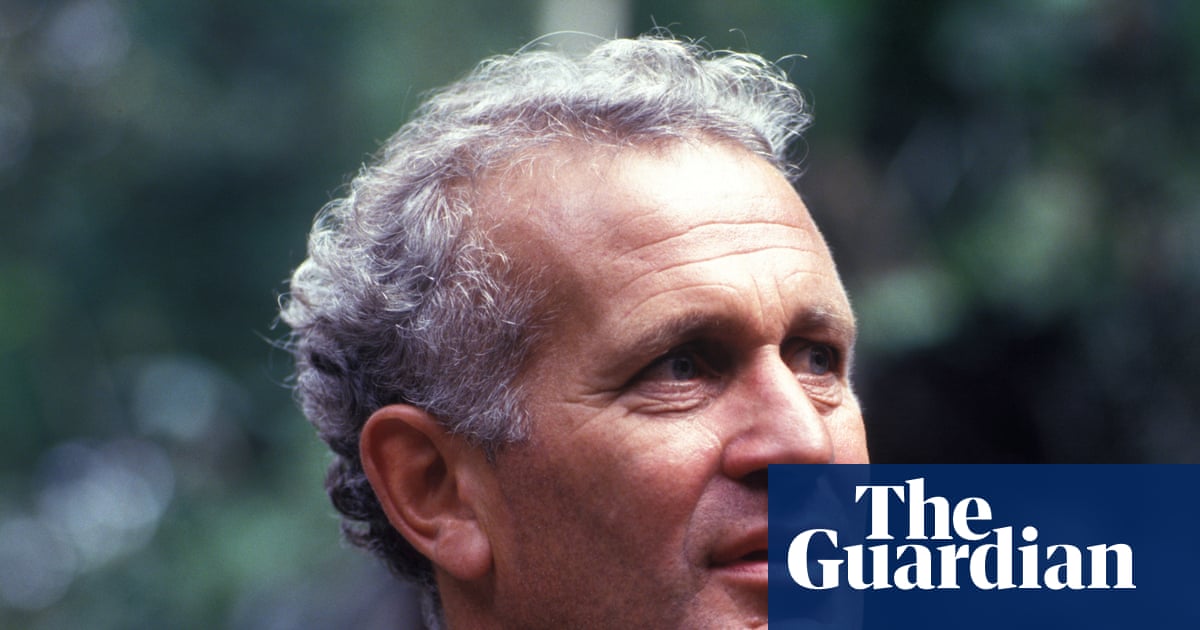
Bouncing from war zone reportage to cold war espionage, Hollywood horror to Sherwood Forest swashbuckler, Harold Pinter to Arnold Schwarzenegger, the director John Irvin, who has died aged 86, was nothing if not eclectic. I hate being pigeonholed, and I like to do the unexpected.” He enjoyed his greatest success with the BBC mini-series Tinker Tailor Soldier Spy (1979), adapted from John le Carré’s novel about the intelligence officer George Smiley’s efforts to winkle out a Russian mole. Smiley was played with clenched elegance and economy by the formidable Alec Guinness, who took to striking out lines in the script whenever he felt he could convey the necessary information by expression alone.
On the first day of rehearsals, the director offered a suggestion that was rejected out of hand. After persuading Guinness to try the scene his way, Irvin was vindicated. Phoning Irvin at 3am once shooting was under way, the actor fretted that he “hadn’t found Smiley” and recommended that the part be recast.
On set a few hours later, Guinness walked off in the middle of filming. Irvin brought him back and stood his ground. Interviewing the director in 1986 for Films in Review, Louise Tanner wrote: “There is about Irvin just a hint of a Le Carré hero, the crisp diction, the quiet air of knowing his way around the lands east of Suez.” Irvin was unavailable to direct the follow-up, Smiley’s People, having been courted by Hollywood since before Tinker Tailor Soldier Spy.
His 1977 Granada Television adaptation of Dickens’ Hard Times had impressed executives there. From moles, he moved on to dogs: The Dogs of War (1980), that is, adapted from Frederick Forsyth’s novel and starring Christopher Walken as a mercenary helping to overthrow a west African dictator. Stark and uncompromising, the film was hated by Forsyth.
Ghost Story (1981) featured an illustrious cast who were famous before Irvin was even born: Fred Astaire, Melvyn Douglas, John Houseman and Douglas Fairbanks Jr played friends harbouring a nasty secret. The New England winter was scarier than any of the film’s spectres, Irvin recalled. You can go home to Beverly Hills.’” Astaire replied: “Oh John, I’m so happy.
I thought I was going to go home in a box.” Horses followed in Champions (1984), the story of the cancer-stricken jockey Bob Champion (John Hurt), then reptiles in Turtle Diary (1985), a low-key comedy adapted by Pinter from Russell Hoban’s novel, with Glenda Jackson and Ben Kingsley as shy naturalists who plot to liberate giant sea turtles. Irvin compared working with that cast to “driving a Ford Mustang and trading up to a Ferrari”. In directing Schwarzenegger in Raw Deal (1986), he might be said to have swapped the sports car for a bulldozer.
Extract — continue reading at the source.