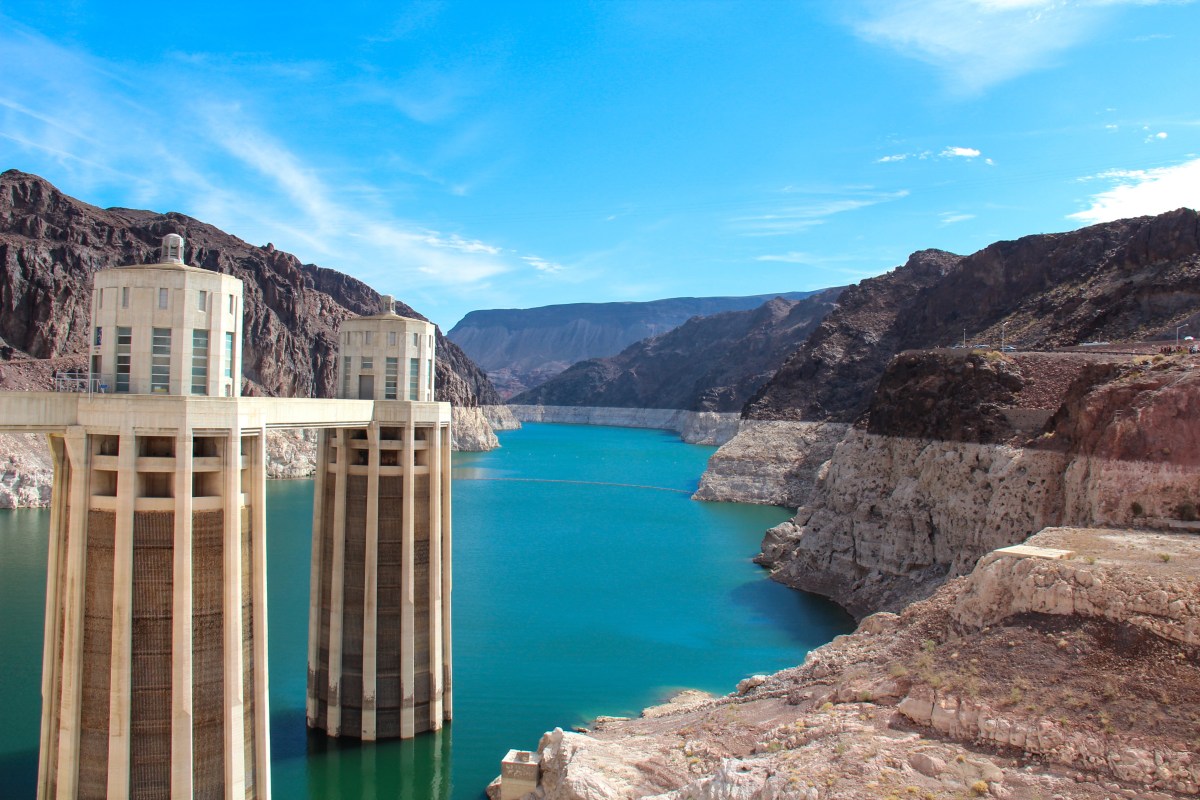
Lake Mead's dramatic decline appears to be slowing, offering a small measure of relief after the reservoir fell to record-low levels during another punishing summer for the Colorado River system. As of Thursday morning, Lake Mead stood at 1,038.83 feet above sea level, according to water-level data compiled by the U.S. Lakes monitoring website, leaving the nation's largest reservoir roughly 190 feet below its full-pool elevation.
The latest readings show the lake hovering near the same level it occupied in recent days, a sign that the rapid seasonal drawdown that characterized much of the spring and summer is beginning to level off. The slowdown comes after a year in which Lake Mead pushed beyond previous historic lows amid ongoing drought, weak runoff and long-term strain on the Colorado River basin. Federal projections released earlier this summer indicated the reservoir could continue falling through the end of the year, although the pace of decline has recently eased.
Newsweek reached out to the U.S. Bureau of Reclamation, which manages Lake Mead, by email for comment and is awaiting a response. The apparent stabilization is noteworthy because it follows a seasonal pattern that water managers have observed for years, although this year's timeline looks somewhat delayed.
Typically, Lake Mead experiences its steepest declines during the spring and early summer as downstream water demand rises and reservoir releases continue. In many recent years, the rate of decline has begun to taper off around July before water levels flatten and gradually start climbing during August and September. The gains often become more noticeable later in the water year as winter storms build mountain snowpack across the Colorado River watershed and spring runoff begins flowing back into the system.
This year, however, the lake continued falling deeper into the summer than is often seen. Historical readings on the U.S. Lakes archive show that while water levels are now hovering near 1,039 feet, the descent continued through much of August before showing signs of leveling out in recent weeks.
The slowdown does not mean a recovery is underway. Instead, it suggests the reservoir may be transitioning from its period of rapid seasonal losses into the flatter portion of its annual cycle. The broader context remains sobering.
Extract — continue reading at the source.